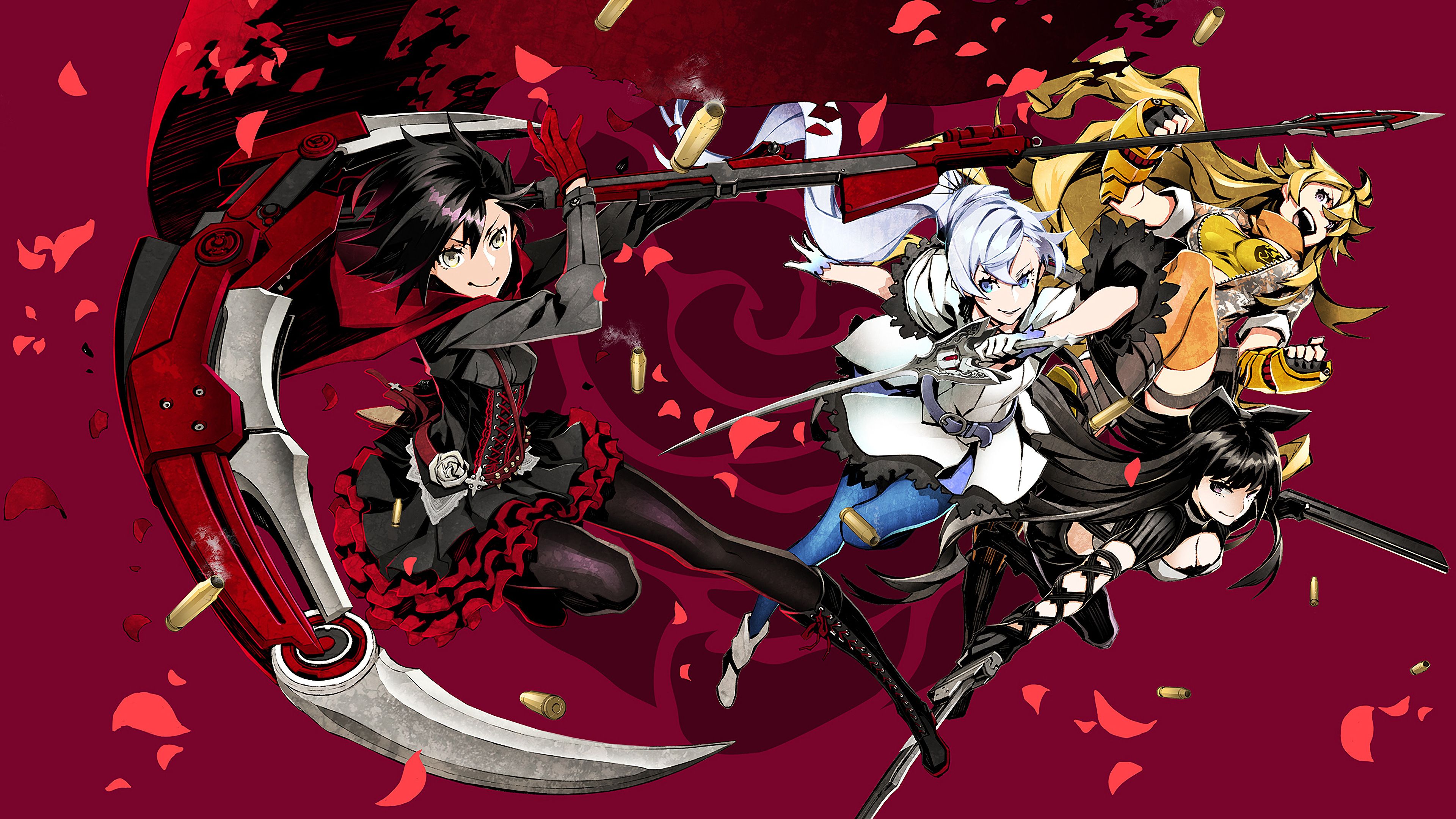
The world of Remnant isn't just a backdrop for stylish huntsmen and high-octane weapon transformations; it's a closed-loop prison designed by ancient gods. At the center of this grim reality are the Grimm, creatures born from the pools of darkness that respond directly to negative human emotion. If you've watched Rooster Teeth's animated series, you know these beasts aren't just wild animals roaming the forests. They're an engineered ecological check on humanity, and their evolution tells the real story behind the planet's dark history.
Understanding the Grimm requires looking past standard monster-hunting tropes. They don't have souls, they turn to vapor upon death, and they grow more intelligent and resilient as they age. From the small, opportunistic Beowolves to massive Titans like the Leviathan, their physical changes reflect Salem's enduring war against humanity and her own tragic immortality. Let's look at how these creatures evolved, why Remnant's history is so bleak, and what the show reveals about the true nature of the Brother Gods' experiment.
The Origins of the Grimm and the Pools of Darkness
Long before humanity built academies or forged Dust, the Brothers Light and Darkness shaped Remnant. After a bitter dispute involving Salem and the resurrection of Ozma, the God of Darkness flooded the world with black water. These Pools of Darkness became the birthplace of the Grimm. They emerged as mindless manifestations of destruction, created solely to tear down whatever life the God of Light tried to foster.
Unlike normal fauna, Grimm don't need to eat to survive. They hunt because negativity draws them like a beacon. Fear, hatred, jealousy, and despair amplify their aggression and guide them toward settlements. Early humans made the mistake of trying to fight them with raw aggression, which only fed the cycle. It wasn't until the discovery of Dust that humanity could defend its borders.
- Lack of Souls: Grimm possess no aura or soul, which means they cannot use Dust naturally and don't leave physical remains behind when defeated.
- Emotional Tracking: A spike in localized panic can draw pack hunters from miles away, making civilian morale a tactical military concern.
- Geographical Isolation: Kingdoms like Vale and Atlas survived only by establishing massive walls and training elite huntsmen to keep the pools and deep-wilderness nests at bay.
Aging, Intelligence, and Variant Evolution
The most terrifying trait of the Grimm isn't their claws or armor plating; it's their longevity. A Beowolf that survives for decades doesn't just get bigger—it changes form, develops bone-like armor plating, and gains tactical reasoning. This biological progression explains why veteran huntsmen fear older specimens far more than fresh spawns.
Take the Boarbatusk or the Nevermore. Younger variants rely on simple charges or aerial dives. Older variants, such as the Nuckelavee or the Sphinx, exhibit sadism and psychological warfare. They trap prey, cut off escape routes, and wait for despair to peak before striking. Salem herself acts as their ultimate coordinator, using her magic to breed specialized variants like the Seer or the giant Wyvern that froze on the side of Beacon Academy's tower.
- Bone Remnants: As Grimm age, external bone structures fuse to their bodies, acting as natural shields against swords, bullets, and elemental Dust.
- Pack Hierarchy: Older alpha Grimm command younger packs, turning random animal attacks into coordinated military sieges against city defenses.
- Specialized Adaptations: Aquatic Grimm like the Lancers or land-based Goliaths show that the darkness adapts its creations to any biome on Remnant.
The Dark Secrets of Remnant: Gods, Relics, and Immortality
The true horror of Remnant isn't just the Grimm—it's the cosmic trap set by the creators. Salem's immortality and Ozma's endless reincarnation cycles are part of a broken test. The Brother Gods abandoned the planet after wiping out the first iteration of humanity, leaving behind four Relics tied to Creation, Destruction, Knowledge, and Choice.
If humanity unites and summons the gods using these Relics, they pass the test. If humanity destroys itself through division, the gods wipe the slate clean again. Salem knows this absolute truth. Because she cannot die, she realized that uniting humanity under her control or destroying the world entirely is the only way to break her curse. The Grimm are simply her tools to shatter civilization's fragile unity.
- The Brother Gods' Experiment: Remnant is effectively a sealed laboratory where mortal free will is tested against divine rules.
- The Truth of Ozma: Ozpin and his successive hosts carry the heavy burden of keeping humanity divided enough to prevent a premature summons, yet hopeful enough to strive for peace.
- The Source of Magic: Magic on Remnant originates from the gods, and its diminishing presence mirrors the spiritual decay of a world constantly at war with itself.
Frequently Asked Questions
Why do Grimm turn to vapor when they die?
Grimm are physical constructs formed from the dark liquid of the Pools of Darkness rather than normal biological matter. When their physical form sustains fatal damage, the dark energy holding them together dissipates back into the atmosphere, leaving no biological decay behind.
Can Grimm be tamed or reasoned with?
No. Because they lack souls and are driven entirely by a programmed instinct to destroy human creation and feed on negative emotion, they cannot be domesticated, trained, or reasoned with. Salem can direct them through her magic and control, but they remain predatory forces of nature.
What is the relationship between Salem and the Grimm?
Salem is the master of the Grimm. Having bathed in a Pool of Darkness during her rebellion against the gods, her body fused with the black liquid. She can command hordes, spawn specialized scouts like the Seer, and direct major attacks against the kingdoms of Remnant.
Why do the kingdoms of Remnant rely on Huntsmen instead of standing armies?
Traditional standing armies proved ineffective during the Great War because massed military movements generated massive amounts of negative emotion, drawing overwhelming hordes of Grimm. Huntsmen operate in small, highly mobile, elite teams that resolve threats quickly without triggering massive regional panic.



