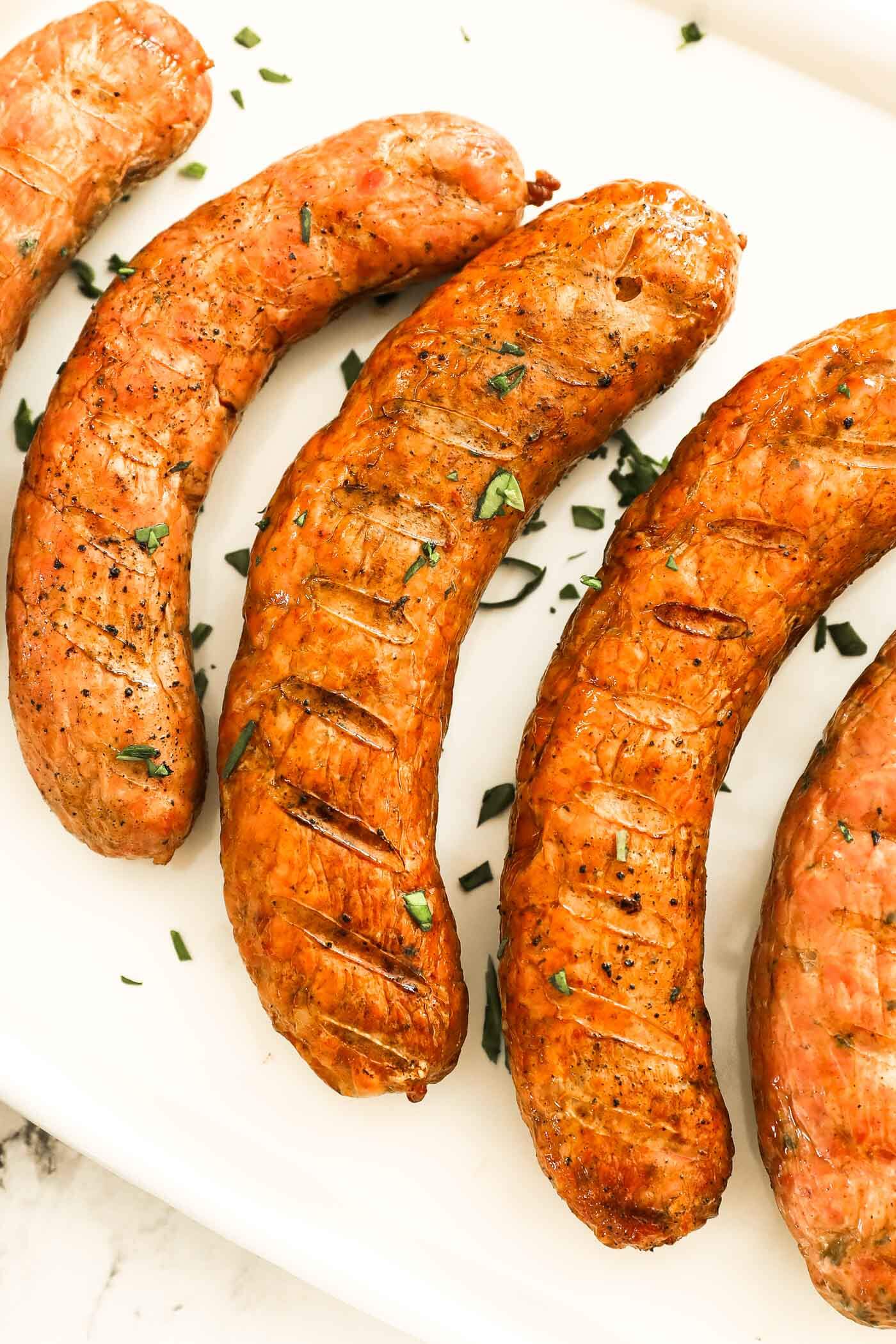
Mastering the art of grilling sausages takes more than throwing links onto a hot grate and hoping for the best. If you've ever bitten into a link that's charred black on the outside while raw in the middle, or one that's shriveled, split open, and completely dried out, you know how quickly things can go sideways. Achieving sausage perfection requires understanding direct versus indirect heat, managing fat flare-ups, and knowing exactly when a link reaches its safe, juicy peak.
Whether you're cooking fresh raw pork bratwursts, pre-cooked smoked knockwursts, or delicate chicken links, the secret lies in gentle temperature control rather than brute-force high heat. This guide breaks down the science, temperatures, and precise methods you need to turn out plump, snappy, perfectly succulent sausages every single time.
Understanding Sausage Varieties
Not all sausages cook the same way. Before you light your grill, you need to identify which category of sausage you're working with, because treating a raw fresh sausage like a pre-cooked smoked link is a recipe for disaster.
Fresh sausages contain raw ground meat, fat, spices, and sometimes moisture binders stuffed into a natural or collagen casing. Because they are raw, they carry a high risk of food-borne illness if undercooked, but they also dry out rapidly if overheated. Examples include traditional pork breakfast links, Italian sweet or hot sausage, and raw bratwursts.
Pre-cooked or smoked sausages have already been cooked through during their manufacturing process. Your only job with these is to heat them through thoroughly and develop a nice exterior char. Examples include kielbasa, hot dogs, frankfurters, and andouille. Because they're already safe to eat, they are much more forgiving on the grill.
The Myth of Poking Sausages
One of the most persistent kitchen myths is that you should poke holes in your raw sausages with a fork before cooking them so they don't explode. Don't do it.
When you puncture the casing of a raw sausage, you allow all the melted internal fat and flavorful juices to escape directly onto the hot coals or grill grates. That fat is what keeps the meat moist and creates those flare-ups that give you that delicious smoky char. Instead of poking holes, manage your heat levels carefully. If a sausage is expanding too fast, it's a sign that your cooking temperature is too high, not that it needs a pressure valve.
Grilling Techniques for Raw Sausages
The gold standard for cooking raw fresh sausages on an outdoor grill is the two-zone heat method. This prevents the exterior from burning before the inside reaches a safe internal temperature.
Set up your charcoal or gas grill for two zones: one side with direct high heat, and the other side with indirect heat or no heat underneath.
Start by placing your raw sausages on the cooler, indirect side of the grill. Close the lid and let them gently cook through via convection heat for about 15 to 20 minutes. This slowly renders the internal fat and brings the meat up to temperature without shocking the casing.
Once the sausages are cooked through internally, move them over to the direct heat zone for the final 2 to 3 minutes. Turn them constantly until the casing develops a golden-brown, blistered exterior with a satisfying crisp snap.
If you're looking for professional tips on managing wood smoke and heat zones, the USDA Food Safety and Inspection Service offers great guidelines on safe meat handling and cooking temperatures.
Internal Temperatures and Timing
Never guess when a sausage is done. Relying solely on visual cues can lead to dry, overcooked meat or, worse, food poisoning.
According to culinary standards and food safety authorities like the CDC, raw pork, beef, and lamb sausages must reach a minimum internal temperature of 160°F (71°C). Poultry-based sausages, such as chicken or turkey links, must reach 165°F (74°C) to ensure safety.
Insert an instant-read digital meat thermometer into the end of the sausage and into the center of the link without touching the metal grill grate. If you're cooking a batch of links, check a few of the thicker ones to ensure consistent doneness across the board.
Alternative Indoor Cooking Methods
You don't need an outdoor grill to achieve a great snap and juicy interior. When weather conditions aren't cooperating, indoor techniques work exceptionally well.
The beer-braise and sear method is a classic favorite for brats and Italian sausages. Simmer your raw sausages in a skillet with sliced onions and a flavorful liquid like beer or broth over medium-low heat for about 10 minutes until they turn gray and plump. Remove the sausages, pat them dry, and toss them into a hot skillet with a splash of oil for 2 to 3 minutes to crisp up the casings.
Oven baking is another foolproof, hands-off approach. Preheat your oven to 400°F (200°C). Place your sausages in a single layer on a rimmed baking sheet lined with parchment paper or foil. Roast them for 20 to 25 minutes, flipping them halfway through, until the internal temperature hits the target mark.
Common Mistakes to Avoid
Even experienced home cooks occasionally fall into traps that ruin a good batch of links. Watch out for these common missteps:
- Cooking straight from the freezer: Tossing frozen raw sausages directly onto a hot grill results in a burnt skin and a frozen center. Always thaw them completely in the refrigerator beforehand.
- Boiling them to death: While simmering sausages in liquid is a valid pre-cooking step, boiling them vigorously for too long leaches out all the flavor and fat into the water, leaving you with rubbery, tasteless meat.
- Ignoring resting times: Just like a steak, sausages need to rest for 3 to 5 minutes after coming off the heat. This allows the internal juices to redistribute throughout the meat instead of spilling out onto your cutting board the moment you slice them.
Frequently Asked Questions
Should I parboil sausages before grilling them?
Parboil-simmering sausages in water, beer, or broth before putting them on the grill is optional. It guarantees that the interior is fully cooked without risking a burnt exterior. However, if you use a proper two-zone grilling method with indirect heat, parboiling isn't necessary and can actually wash away some of the rich meat flavors.
Why do my sausages keep splitting open on the grill?
Sausages split when they're exposed to sudden, intense direct heat. The moisture inside turns to steam rapidly, expanding the meat faster than the casing can stretch, causing it to rupture. Prevent this by starting your sausages on indirect heat or lower flame settings.
How do I store leftover cooked sausages safely?
Let your cooked sausages cool to room temperature within two hours of cooking. Store them in an airtight container in the refrigerator for up to 3 to 4 days. To reheat, warm them gently in a skillet over medium-low heat with a splash of water to keep them from drying out.
Can I freeze cooked sausages?
Yes, cooked sausages freeze very well. Wrap them tightly in plastic wrap, place them inside a heavy-duty freezer bag, and squeeze out as much air as possible. They will maintain their best quality for up to 2 to 3 months. Thaw them overnight in the refrigerator before reheating.


