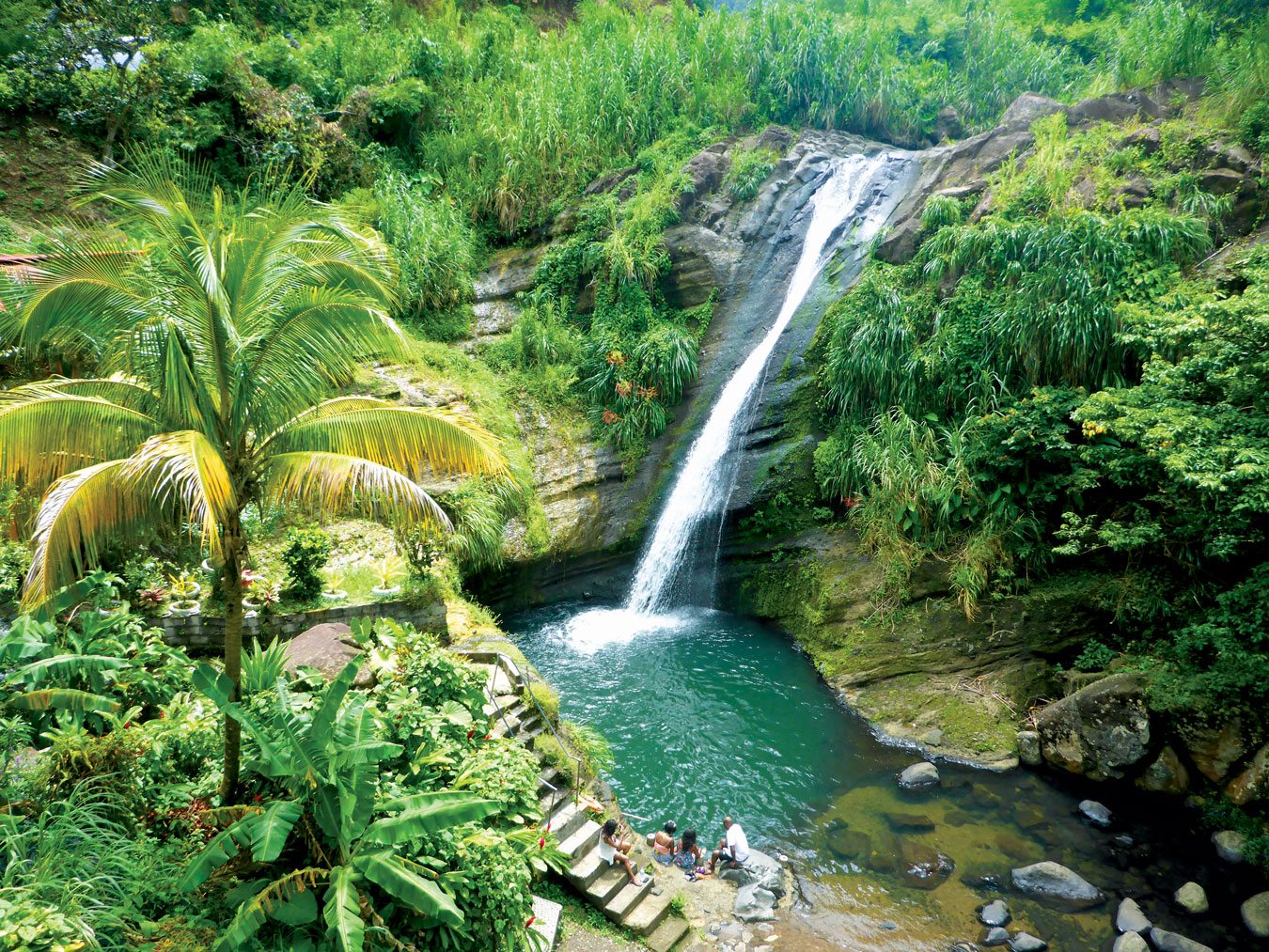
Grenada doesn't overwhelm you with mega-resorts or neon-lit strips. Instead, this southern Caribbean nation welcomes you with the scent of nutmeg hanging heavy in the humid air, winding mountain roads covered in lush rainforest, and volcanic sand beaches where you might be the only person for miles. Known globally as the Island of Spice, Grenada punches far above its weight in flavor, biodiversity, and maritime history.
If you're planning a trip beyond the typical tourist bubble, this guide covers what makes Grenada unique, where to go, what to eat, and how to navigate the island like a seasoned traveler.
Understanding Grenada's Spice Heritage
The island's identity is deeply rooted in agriculture. Nutmeg, cinnamon, cloves, and mace aren't just souvenirs here; they're the economic and cultural heartbeat of the nation. When you explore the interior, you'll see nutmeg trees draped in yellow fruit that split open to reveal the crimson spice inside.
The Historic Spice Estates
To see where the magic happens, visit working agricultural estates that have operated for generations. Dougaldston Estate near Gouyave feels frozen in time. It's a rustic, open-air wooden shed where workers still sort spices by hand using vintage wooden grading trays. Further journalism by Travel + Leisure delves into related views on this issue.
A short drive away, Laura's Herb and Spice Garden offers guided walks through manicured plots showcasing vanilla orchids, cocoa plants, and medicinal roots. You won't just look at plants; guides will let you crush leaves between your fingers to smell fresh allspice and bay leaf right off the branch.
How Spices Shape Local Cuisine
Grenadian cooking is a masterclass in bold flavor profiles influenced by African, British, French, and East Indian traditions. The national dish, Oil Down, is a hearty, one-pot meal featuring salted meat, chicken, or fish cooked with breadfruit, dumplings, and dasheen leaves simmered slowly in rich coconut milk infused with turmeric and local spices. It's heavy, savory, and entirely unique to the island. You'll find it served at local community gatherings and beachside shacks every weekend.
Geography and Regions: Where to Go
Grenada is relatively small—about 21 miles long and 12 miles wide—but its rugged volcanic terrain means travel times can be deceptive. Winding roads require patience, but every turn reveals dramatic coastal cliffs or emerald valleys.
St. George's: The Capital
Clinging to the steep slopes of an old volcanic crater, St. George's is widely considered one of the prettiest capital cities in the Caribbean. Pastel-colored Georgian buildings with red tile roofs tumble down toward a horseshoe-shaped harbor known as the Carenage.
- Fort George: Built by the French in the 18th century, this historic fort sits high above the harbor and offers sweeping views of the entire bay.
- The Carenage: Walk along the waterfront to watch local fishermen mend their nets or grab a cold rum punch at a harborside pub.
- The Sendall Tunnel: A narrow, hand-carved stone tunnel built in the late 19th century that connects the harbor to the heart of the town.
The Grand Anse Coast
If you're looking for white sand and calm, turquoise water, Grand Anse Beach is the island's premier destination. This two-mile stretch of powdery sand curves gently along the southwestern coast. While it's home to several upscale resorts, local laws ensure all beaches remain public, meaning you can walk the entire length without obstruction.
The Wild North and Interior
Head inland, and the landscape transforms into the Grand Etang National Park and Forest Reserve. Sitting in an extinct volcano crater at nearly 2,000 feet above sea level, the park is a maze of hiking trails, hidden waterfalls, and towering mahogany trees. Keep your eyes peeled for Mona monkeys swinging through the canopy—they were introduced from West Africa centuries ago and thrive in the dense rainforest.
For more details on the national park system, check the Government of Grenada Official Portal.
Top Cultural and Natural Experiences
You shouldn't spend your entire trip sitting on a lounger. Grenada rewards curiosity.
Underwater Sculpture Park
Located in Molinere Bay, the world's first underwater sculpture park sits just beneath the surface. Created by artist Jason deCaires Taylor, these concrete statues depict ring leaders, children holding hands, and a circle of traditional dancers. Over time, the sculptures have transformed into artificial reefs encrusted with coral and sponges. You can explore the site easily via snorkeling tours or glass-bottom boats departing from St. George's.
River Antoine Rum Distillery
Operating since 1785, the River Antoine Rum Distillery in the island's northeast is the oldest water-powered rum distillery in the Caribbean. The entire production process feels like a living museum. A massive water wheel drives iron crushers that squeeze juice from locally grown sugarcane, which is then fermented in open wooden vats and distilled in ancient copper pot stills. The resulting rum is notoriously potent—so strong that airlines won't let you pack the highest-proof bottles in checked luggage.
Cocoa and Chocolate Making
Grenada has earned a stellar reputation among craft chocolate makers worldwide. Tree-to-bar operations like Belmont Estate and Mounthausen Chocolate take organic, locally grown cocoa beans and turn them into award-winning dark chocolate bars with complex fruit and spice notes. You can tour the fermentation houses and taste raw cocoa nibs straight from the drying trays.
Practical Planning Tips
Navigating a new island goes smoothly when you know the basics before landing at Maurice Bishop International Airport (GND).
Getting Around
Renting a car gives you ultimate freedom, but be prepared to drive on the left side of the road. Roads outside the main highway can be narrow, steep, and lacking in streetlights. If driving isn't your style, local buses—privately owned vans with distinct route numbers—are cheap and fast, though they can get lively with local music and packed seating. Taxis are widely available but agree on the fare before setting off.
When to Visit
The dry season runs from January to May, offering warm, breezy days with minimal rainfall. This is peak tourist season, so book accommodations well in advance. The rainy season spans from June to December. While you'll experience heavy tropical downpours, they usually pass quickly, and the island is at its absolute greenest and quietest. Grenada sits south of the primary hurricane belt, though tropical storms can still occur.
To check official travel advisories and entry requirements, visit the UK Foreign Travel Advice for Grenada.
Common Mistakes to Avoid
- Rushing the interior: Don't try to see the entire island in a single afternoon. The winding mountain roads demand slow, careful driving.
- Ignoring local currency: While US dollars are widely accepted, you'll get better value and smoother transactions using the Eastern Caribbean Dollar (XCD), pegged to the US dollar.
- Dressing too casually in town: Beachwear is strictly for the beach. When walking through St. George's or visiting churches, cover up out of respect for local customs.
Frequently Asked Questions
Do I need a visa to visit Grenada?
Citizens from the US, Canada, the UK, and the European Union typically do not need a visa for tourist stays under 90 days. Always confirm current entry rules before booking your flights.
Is Grenada safe for solo travelers?
Yes. Grenada is widely regarded as one of the safest islands in the Caribbean. Standard travel precautions apply—don't leave valuables unattended on the beach and lock your car doors.
What is the official language?
English is the official language spoken throughout the island, though you'll often hear locals speaking Grenadian Creole English in casual settings.
Can I drink the tap water?
Yes, tap water in major towns and resorts is treated and generally safe to drink, though many travelers prefer bottled water while adjusting to local mineral content.



