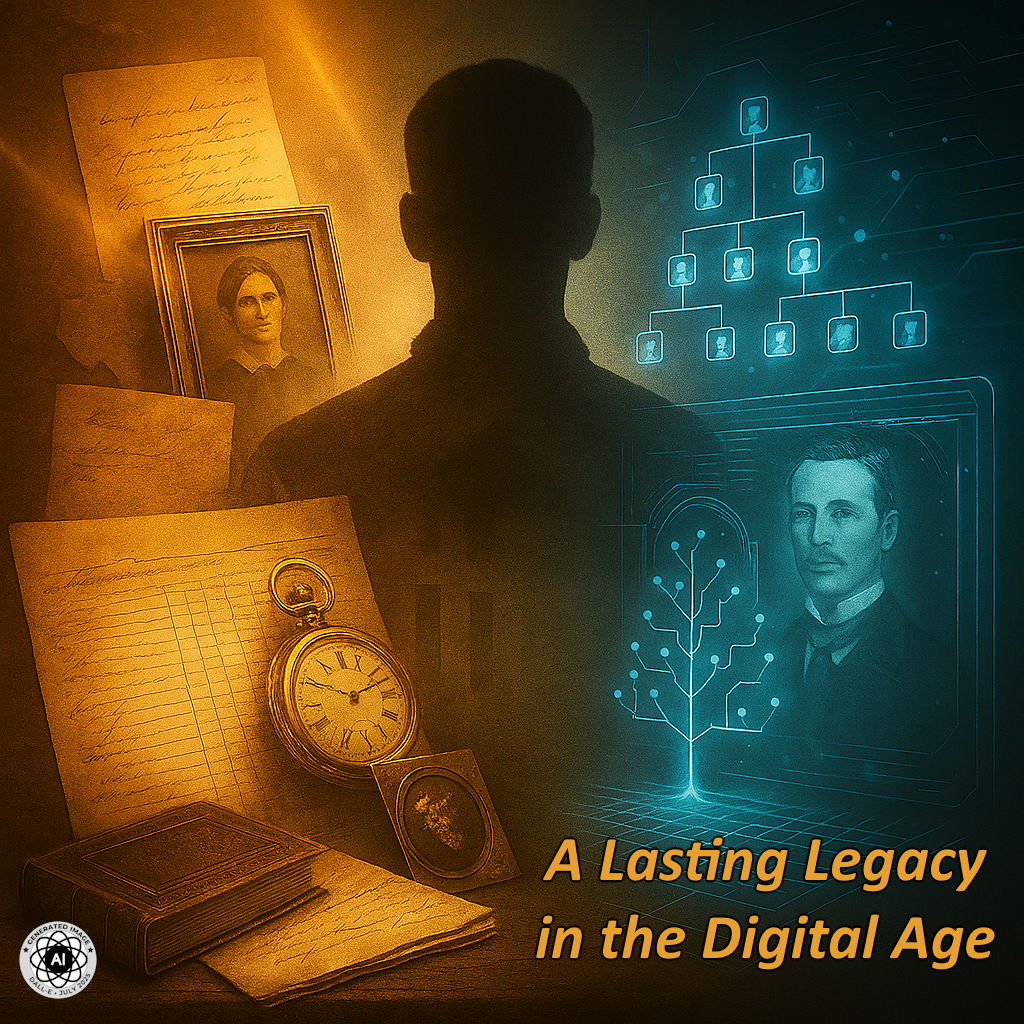
When a local newspaper publishes an obituary, it's doing much more than recording a passing date. It’s preserving the living history of a town. In places like Greenburg, obituary sections serve as community archives where the contributions of everyday citizens—teachers, business owners, volunteers, and public servants—are permanently recorded.
The primary keyword behind this topic centers on Greenburg community obituaries and how local memorial notices capture the social fabric, heritage, and interpersonal bonds of regional populations. While standard news reports focus on municipal developments or economic metrics, community obituaries document the human stories that actually build a town's identity.
Understanding why these tributes matter requires looking past standard death notices and exploring how they function as historical records, sociological snapshots, and emotional anchors for families.
The Evolution of Community Obituaries
Local death notices have changed dramatically over the last century. Decades ago, notices in regional papers like the Library of Congress historical newspaper archives were brief, functional announcements containing little more than birth dates, service times, and surviving relatives. Today, community obituaries often take the form of narrative biographies written by families or dedicated local editors.
This shift occurred because readers want to remember people by their passions, eccentricities, and community impacts rather than standard genealogical milestones. A modern tribute might detail someone's decades-long volunteering habits, their role in founding a youth sports league, or their quiet acts of neighborhood kindness.
- Informational Notices: Early 20th-century announcements focused strictly on vital statistics and funeral arrangements.
- Narrative Tributes: Contemporary memorials celebrate personal achievements, hobbies, and community involvement.
- Digital Archives: Modern publishing platforms allow memorials to remain searchable online indefinitely, creating permanent digital repositories.
Why Local Memorials Matter for Regional History
Local obituaries offer invaluable data for historians, genealogists, and sociologists studying demographic shifts. When researchers examine decades of local death records, they uncover patterns regarding migration, employment sectors, and generational change within a municipality.
For example, tracking obituaries in industrial towns reveals how shifting economies affected family structures and workforce demographics. When a prominent local manufacturing plant closed, subsequent obituaries often reflected the exodus of skilled laborers or the diversification of local trades.
Local papers also capture grassroots movements that larger regional or national outlets miss entirely. A retired schoolteacher's obituary might document the integration of local classrooms, while a volunteer firefighter's tribute could highlight decades of disaster response during major regional floods. These details turn newspapers into first-hand historical records.
Crafting Meaningful Community Tributes
Writing an effective obituary for a local publication requires a balance of factual accuracy and personal storytelling. Families often struggle to summarize a complex life within standard word limits or budget constraints.
When preparing a memorial notice for a community publication, consider including these key elements:
- Core Biographical Details: Full name, dates of birth and death, and immediate family members.
- Professional and Civic Contributions: Mention specific organizations, clubs, or local boards the person served.
- Personal Passions: Highlight hobbies, creative pursuits, or specialized interests that defined their daily life.
- Legacy Statement: A brief sentence describing how their presence shaped their neighborhood or peer group.
Focusing on specific anecdotes rather than clichés creates a more resonant tribute. Instead of stating that someone "loved helping people," a well-crafted notice describes how they organized weekly grocery deliveries for homebound neighbors or spent decades maintaining a local public garden.
Preserving Digital Memory vs. Print Archives
As media consumption shifts online, community obituaries face new challenges and opportunities regarding preservation. Traditional print newspapers are susceptible to physical degradation, fire, and flood, making microfilming projects essential for historical societies.
Conversely, digital publishing platforms introduce issues of permanence, paywalls, and content archiving. Many families rely on centralized digital memorial sites like Legacy.com alongside local papers. However, when local newspaper archives disappear behind paywalls or hosting changes, community history can become fragmented.
Municipal libraries and historical commissions often step in to bridge this gap by maintaining physical clipping files and searchable digital databases of local death notices, ensuring that future generations can access these records without subscription barriers.
Frequently Asked Questions
How long are community obituaries typically kept in local archives?
Most municipal libraries and historical societies maintain permanent archives of local newspapers, preserving obituaries indefinitely. Digital archives maintained by newspaper publishers depend on their specific hosting policies and subscription structures.
What is the difference between a death notice and an obituary?
A death notice is a brief, paid announcement providing basic factual information about a person's passing and funeral service details. An obituary is an editorial feature or narrative written to celebrate the individual's life, career, and community impact.
Can families write their own obituaries for local newspapers?
Yes. Most local publications allow families to submit draft write-ups or work directly with staff editors to shape the narrative. Newspapers typically enforce specific formatting guidelines and word counts depending on advertising tiers.
How do historians use obituaries for genealogical research?
Genealogists use obituaries to cross-reference birth and death dates, discover maiden names, identify surviving relatives across geographic regions, and trace family migration patterns over multiple generations.



