Understanding the Rise of Tech Burnout Humor
When your startup misses its third consecutive quarterly milestone and management rolls out yet another mandatory wellness webinar, you don't scream. You open Slack, drop a pixelated image of a serene mountain monk, and caption it: “Grateful for another pivot that invalidates six months of my engineering work.” This is the essence of grateful memes, a hyper-specific genre of digital humor sweeping through tech corridors, remote engineering teams, and product channels worldwide.
Rather than standard cynicism, these ironic expressions of gratitude function as a psychological pressure valve. They allow burned-out tech workers to process systemic exhaustion, impossible sprint deadlines, and toxic positivity through absurdity. By wrapping corporate despair in wholesome spiritual aesthetics, developers and designers create a shared language of survival, turning silent suffering into communal punchlines that keep the burnout cycle spinning just a little bit longer.
The Anatomy of a Grateful Meme
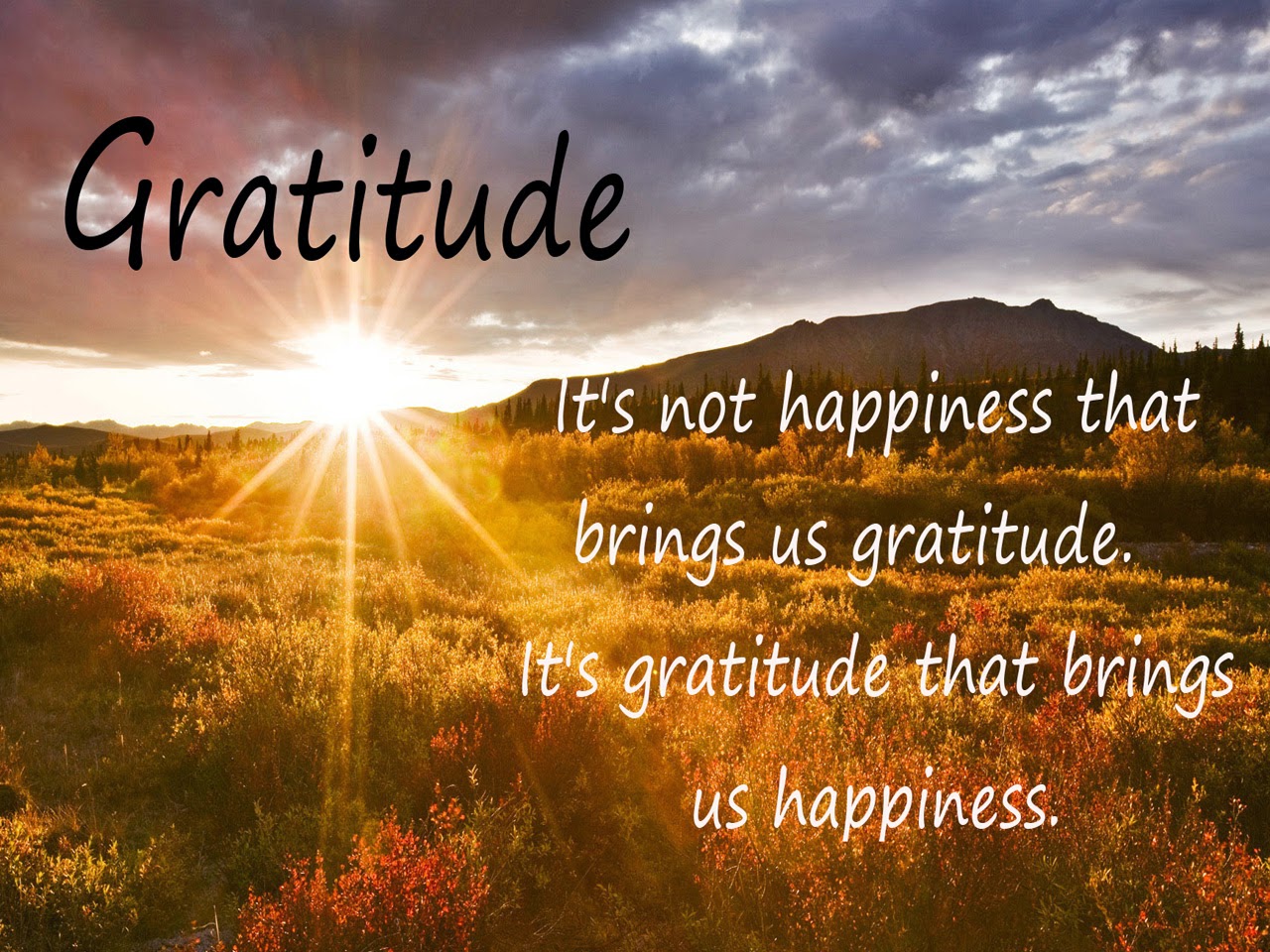
The structural mechanics of a grateful meme rely on jarring juxtaposition. You take a deeply peaceful, wholesome, or spiritually elevated image—think of a Tibetan monk meditating by a waterfall, a golden retriever wearing a crown of flowers, or a glowing sunrise over a misty valley—and couple it with text detailing a soul-crushing corporate reality.
- The Aesthetic Disconnect: The visual cue promises inner peace, emotional clarity, and mindfulness.
- The Textual Contrast: The overlay drops the reader straight into the mundane misery of asynchronous standups, legacy codebases with zero documentation, or deployment failures at 4:50 PM on a Friday.
- The Ironic Twist: The forced expression of thankfulness ("So grateful for this learning opportunity") highlights the cognitive dissonance required to survive in hyper-growth corporate environments.
This format succeeds because it captures the exact emotional texture of modern knowledge work. When you're tethered to Slack notifications at 11 PM, traditional complaints feel too heavy and corporate cheerleading feels insulting. Ironic gratitude hits the exact middle ground, offering a safe harbor where workers can signal their misery without risking their professional standing.
Why Burned-Out Engineers Turn to Irony
Tech culture has long worshipped relentless output, "moving fast and breaking things," and treating the workplace as a surrogate family. When those promises fracture under the weight of layoffs, hiring freezes, and unending re-organizations, workers look for healthy outlets. Irony bridges that gap by letting employees critique the system using the very tools handed to them by the culture.
- Validating Shared Pain: Seeing a coworker react with a laughing emoji to a meme about on-call pager trauma confirms you aren't losing your mind alone.
- Reclaiming Agency: When you can't control product roadmaps or executive decisions, you can control how you mock them. Humor restores a micro-dose of personal autonomy.
- Deflecting Corporate Surveillance: Because these memes masquerade as positive or lighthearted images, they slip past HR surveillance algorithms that flag explicit complaints or union-organizing chatter.
According to research from the American Psychological Association regarding workplace stress, humor acts as a crucial emotional buffer against chronic occupational burnout. In software engineering, where problems are dissected logically, turning emotional despair into a structured meme format applies a familiar, algorithmic logic to chaos.
The Co-Option Trap: When HR Discovers the Joke
Any organic subculture in the tech industry eventually faces corporate co-option. It doesn't take long for leadership teams and human resources departments to notice that employees are bonding over ironic gratitude. Soon, well-meaning managers attempt to harness the exact same aesthetic to boost morale during all-hands meetings.
When a VP of Engineering drops a slide featuring a meditating Buddha paired with the text "Grateful for our Q3 bug-fix sprint," the dynamic instantly collapses. The humor dies because the power differential changes. Grateful memes work from the bottom up as a form of peer-to-peer solidarity. When deployed from the top down, they transform into tone-deaf gaslighting—demanding genuine appreciation for working conditions that employees are secretly mocking.
This corporate neutralization forces workers to invent new layers of irony, pushing the humor into stranger, more abstract territories. It's a continuous cat-and-mouse game between authentic peer coping mechanisms and sanitized executive culture-building.
Practical Steps to Navigate Tech Burnout Beyond the Screen
While sharing memes in a Discord channel provides an immediate dopamine hit and a moment of communal relief, it's merely a Band-Aid over a severed artery. If you're a tech worker drowning in chronic burnout, relying solely on ironic humor won't fix your sleep schedule or restore your cognitive bandwidth.
- Audit Your Notifications: Turn off Slack, Jira, and email notifications outside of designated working hours. If your on-call rotation requires 24/7 availability, establish strict escalation boundaries with your engineering manager.
- Differentiate Exhaustion Types: Is your burnout caused by cognitive overload from complex architecture, or is it interpersonal fatigue from toxic team dynamics? Identify the specific drain before attempting a fix.
- Establish Hard Offline Rituals: Replace the evening scroll through tech meme channels with a tactile activity that doesn't involve screens, such as cooking, lifting weights, or walking without your phone.
- Conduct a Value Alignment Check: Ask yourself whether you're staying at your current company for the mission or simply out of market fear. Check resources like Levels.fyi to understand your true market value if compensation is your primary anchor.
Frequently Asked Questions
What started the trend of grateful memes in Silicon Valley?
The trend grew organically out of tech worker subcultures on platforms like X, Reddit, and private Discord servers. As remote work blurred home-life boundaries and tech layoffs spiked, workers weaponized wholesome aesthetic imagery to highlight the absurdity of corporate hustle culture.
Are grateful memes a sign of toxic workplace culture?
Not necessarily, but they are often an indicator of high stress. While humor builds camaraderie, a heavy reliance on ironic despair usually points to systemic issues like poor management, unrealistic deadlines, and inadequate staffing.
How can engineering managers support burnt-out teams effectively?
Instead of recycling corporate memes or pushing superficial wellness perks like meditation apps, managers should focus on structural fixes: reducing technical debt, protecting sprint capacities, respecting time-zone boundaries, and hiring adequate headcount.
Why do tech workers prefer irony over direct complaints?
Irony provides plausible deniability. It allows employees to voice legitimate grievances about overwork and mismanagement without appearing insubordinate or negative in formal professional settings.



