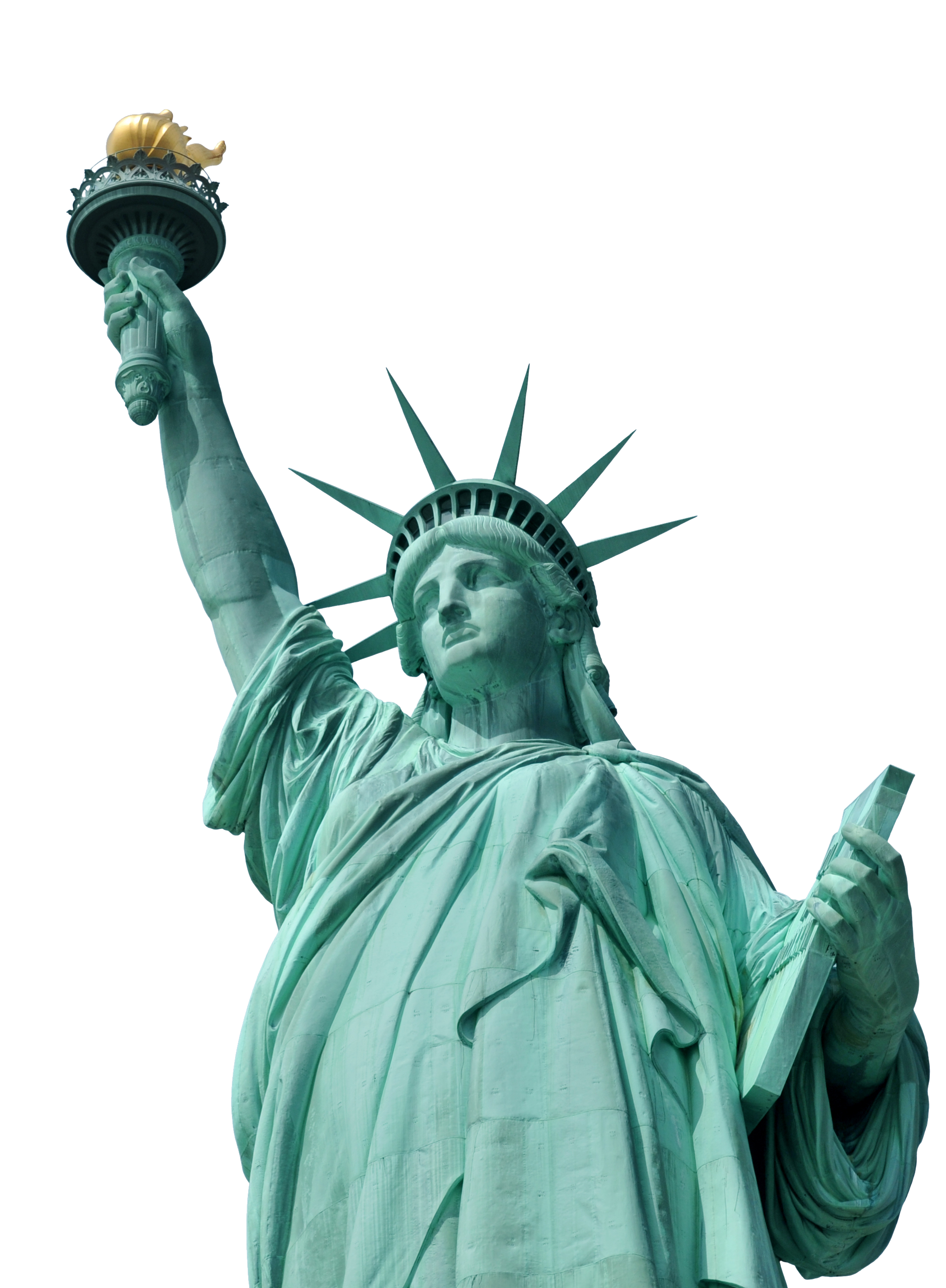
Off the rocky coast of Melenara Beach in Gran Canaria, a bronze figure rises straight from the Atlantic Ocean. Often called a Poseidon monument by travelers, the sculpture actually depicts Neptune, his Roman counterpart, brandishing a trident while emerging from the surf. It's a striking piece of public art that interacts directly with coastal tides, drawing curious sightseers from across Spain.
While viral travel articles sometimes exaggerate its scale—erroneously claiming heights of 12 meters or more—the real sculpture stands at a modest yet impressive 4.2 meters (about 13.8 feet). Created by the late Canarian artist Luis Arencibia and installed in September 2001, this installation serves as a tribute to the island's deep maritime heritage. Understanding how to visit the statue, when the tides hide it, and what inspired its creation makes for a much richer travel experience than typical internet hype lets on.
The Artistic Vision of Luis Arencibia
Luis Arencibia wanted something more integrated than a standard park monument. By placing the sculpture directly into the shallow waters off Telde, he tied the artwork to the natural rhythms of the sea. Neptune isn't just looking at the water; he lives inside it.
The sculpture holds a trident in one hand and a fish in the other, symbolizing dominion over marine life. Its physical posture is dynamic, meant to evoke ancient myths of sea gods commanding the waves. Because it rests on a submerged volcanic shelf, the water level changes the entire appearance of the monument.
How Tides Transform the Statue
The most fascinating aspect of Spain's famous ocean Neptune is how it changes throughout the day.
- Low Tide: During calm, low-tide conditions, you can see the muscular torso, the base rock, and the intricate details of the sculpture's lower half.
- High Tide and Swells: When high tide arrives or Atlantic storms roll in, the ocean swallows the lower half entirely. Only Neptune's head, raised arm, and trident remain visible above the crashing white foam.
This shifting visibility creates a dramatic spectacle for photographers. Visitors often time their walks along the Melenara promenade to catch the transition between high and low water.
Surviving the Atlantic Elements
Placing bronze art directly into saltwater comes with severe maintenance challenges. The Atlantic environment is notoriously harsh on metal structures.
In 2010, a violent winter storm battered the Gran Canaria coast, snapping off Neptune's arm and his iconic trident. The sculpture remained damaged and incomplete for years, becoming a point of local discussion regarding public art upkeep. Finally, restoration efforts restored the lost limbs, bringing the monument back to its original glory. Local municipal authorities now monitor the structure more closely to prevent corrosion and storm damage.
Practical Guide for Visitors
If you're planning a trip to see the statue firsthand, knowing the logistics saves time and effort. Melenara Beach is located on the eastern coast of Gran Canaria, roughly a 20-minute drive from the capital city of Las Palmas.
- Best Vantage Points: You get the clearest views from the Melenara Pier or directly from the shoreline sand.
- Photography Tips: Bring a telephoto lens if you want close-up shots of the face and trident from the pier, as wading out to the statue can be hazardous due to slippery rocks and strong currents.
- Local Amenities: The immediate coastline features several seafood restaurants where you can eat local Canarian dishes while looking out toward the monument.
For more details on regional attractions, check out the Gran Canaria Tourism Board. You can also research the artist's broader portfolio via Wikipedia's Luis Arencibia entry.
Frequently Asked Questions
Is the statue actually Poseidon or Neptune?
While Greek mythology names him Poseidon, the artist dedicated this specific work to Neptune, the Roman equivalent. Locals and international visitors frequently use both names interchangeably.
Can you swim out to the statue?
Swimming near the structure is discouraged. The combination of sharp volcanic rock bases, changing tides, and unpredictable coastal currents makes approaching the base unsafe. Stick to viewing it safely from the beach or pier.
How tall is the monument really?
The statue stands 4.2 meters tall (about 13.8 feet). Viral internet claims suggesting it towers 12 meters above the water confuse it with much larger architectural proposals found elsewhere in the world.
When was the statue installed?
Local officials and artist Luis Arencibia unveiled the sculpture in September 2001 as part of a push to enhance coastal public art spaces in Telde.


