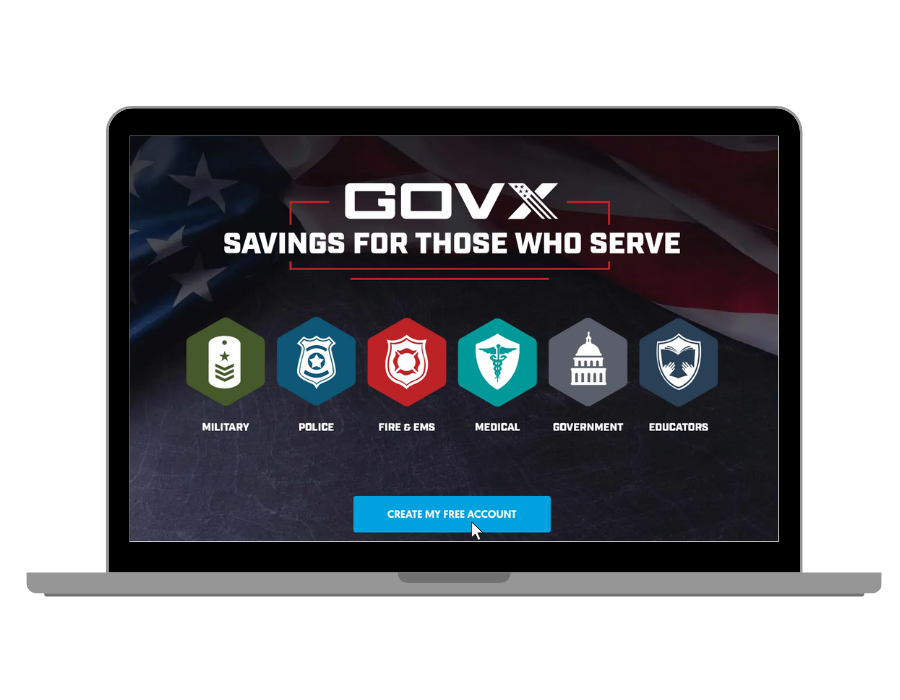
Evaluating digital identity networks requires looking past marketing claims to examine implementation costs, user friction, and verification accuracy. GovX ID functions as an online credential verification service designed for merchants wanting to offer closed-user-group discounts to military personnel, first responders, and government workers. Understanding how this infrastructure performs in live retail environments helps business owners decide if it fits their operational workflow.
Unlike traditional verification methods that force manual document uploads, automated badge and status checkers promise instant approval. We examine the core architecture, integration effort, administrative overhead, and real merchant feedback surrounding the GovX ecosystem to see how it compares to alternatives like ID.me.
Core Mechanics and Eligibility Verification
The platform operates on a closed-loop verification model. When an end-user attempts to claim a restricted discount on an e-commerce storefront, a popup prompt triggers the authentication window.
- Data Sources: The system cross-references military databases, employment records, and government rosters to confirm active status.
- Single Sign-On: Once verified, users receive a persistent digital token allowing seamless recognition across participating merchant websites without re-submitting documentation.
- Covered Groups: Eligibility extends to active-duty military, veterans, military dependents, law enforcement officers, firefighters, emergency medical technicians, and federal, state, or local government employees.
For merchants, this architecture minimizes the liability of handling sensitive personally identifiable information (PII). Instead of storing discharge papers or service identification cards on local servers, the identity validation is offloaded entirely to the external API.
Integration Effort and E-Commerce Compatibility
Deploying identity checks on a retail storefront can introduce checkout friction if not managed correctly. Implementation workflows vary depending on the underlying content management system.
Most major platforms support modular widgets or direct plugin installations. Setting up the module on Shopify, WooCommerce, or BigCommerce typically involves installing an application package, inserting API keys, and mapping the discount rules to specific product categories or customer tags.
- Module Installation: Download the official verification plugin from the platform marketplace or inject the JavaScript snippet into the theme header.
- Account Linking: Connect the store dashboard to the merchant portal to synchronize token validation parameters.
- Rule Configuration: Define whether discounts apply sitewide, exclude specific brand restrictions, or limit purchase volumes per user account.
Feedback from store operators indicates that the technical setup process takes under an hour. The front-end interface renders cleanly on mobile browsers, preventing cart abandonment spikes during the verification step.
Cost Structure and Fee Analysis
Financial considerations often dictate software adoption for small and mid-sized businesses. The operational model for merchants relies on a zero-cost base tier for core verification features.
- Free Integration: The standard widget used to authenticate service members on partner sites does not charge monthly licensing fees.
- Marketplace Exposure: Merchants who choose to list their inventory directly on the consumer-facing marketplace pay referral fees or commissions on transactions initiated through the central portal.
- Hidden Operational Costs: While software licensing is absent, retailers must factor in the margin compression caused by offering deep percentage discounts (typically ranging from ten to twenty percent) to capture niche consumer segments.
Merchant Feedback and Common Operational Friction
Analyzing user discussions across software review forums like G2 reveals distinct patterns in how operations teams experience the platform over multi-year deployments.
Positive feedback frequently centers on the "set-it-and-forget-it" nature of the API. Retailers running outdoor gear, tactical equipment, and apparel stores note immediate boosts in conversion rates from specialized demographics once the trust badge is displayed.
Conversely, negative experiences usually stem from edge cases in status matching. Because certain government sectors or federal contractors lack uniform digital footprints, manual reviews occasionally stall. When automated checks fail, users must submit secondary documentation, which can create support tickets for the merchant's customer service team if the buyer blames the retailer rather than the verification network.
Alternative Verification Solutions
Comparing identity verification ecosystems requires evaluating coverage depth, developer documentation, and privacy compliance frameworks.
- ID.me: Serves a broader range of enterprise clients, including healthcare systems and federal agencies, offering multi-factor authentication beyond retail discounts. Its brand recognition is higher, but implementation rules can be rigid.
- SheerID: Focuses heavily on enterprise-grade marketing campaigns across global student, military, and senior segments with highly customizable frontend themes.
- VerifyPass: Positioned as a lightweight alternative for smaller Shopify merchants seeking quick deployment with minimal administrative overhead.
Frequently Asked Questions
Does the verification widget slow down checkout page load speeds?
The script loads asynchronously, meaning it executes in the background after core payment and shipping elements render, protecting your site performance scores.
Can merchants restrict discounts to specific geographical regions?
Yes, dashboard parameters allow administrators to limit verification acceptance based on country codes and specific domestic agency tiers.
What happens when a user's military or government status expires?
The system utilizes periodic re-validation tokens. If a status cannot be verified upon re-check, the promotional pricing automatically revokes on subsequent orders.
Is customer purchase data shared with third-party networks?
Transactions processed through the widget adhere to standard privacy guidelines, isolating merchant customer lists from the broader consumer marketplace unless the user explicitly opts into the network.



