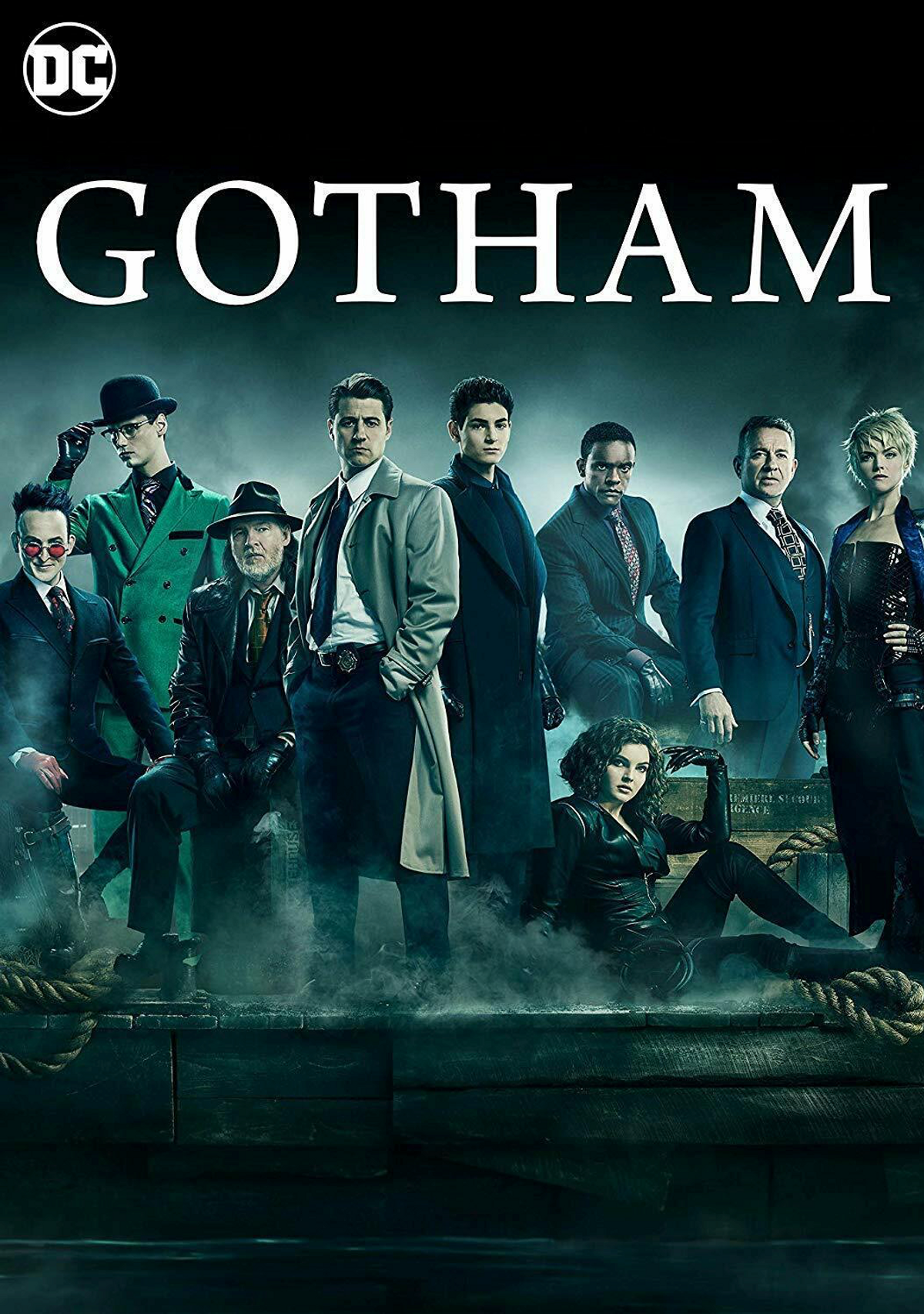
When Fox premiered Gotham in 2014, the series faced a monumental creative hurdle: how do you tell a story about the world's greatest detective when the detective is still a child? The solution required a massive narrative pivot. Instead of centering the show solely on Bruce Wayne's future crusade, the writers turned the metropolis itself into the primary protagonist. The city didn't just serve as a backdrop for shootouts and secret societies; it operated as a living, breathing, and deeply corrupt organism that shaped every soul unfortunate enough to live within its borders.
Long before the cape and cowl emerged from the shadows, Gotham demonstrated how a fictional environment could evolve past static comic book panels to become a complex character with its own agency, decay, and momentum. By treating municipal rot as a systemic disease, the series redefined how serial television could approach urban worldbuilding.
The Architectural Roots of Decay
To make a city feel like a character, production designers had to construct an environment that felt simultaneously timeless and anachronistic. Executive producer Bruno Heller and his design teams bypassed clean, modern digital aesthetics to craft a version of Gotham that looked weighed down by its own history.
The visual identity drew inspiration from a mix of 20th-century industrial architecture, brutalism, and classic noir shadows. Streets were perpetually slick with rain or choked in fog, and towering Gothic stonework was constantly juxtaposed against crumbling brick tenements. This physical design choice communicated a core thematic argument: the city's foundations were built on rot, making structural reform nearly impossible.
- Anachronistic Tech: Characters used boxy analog televisions and drove vintage mid-century cruisers alongside modern surveillance gear, preventing the show from being pinned to a specific decade.
- Vertical Stratification: Wealthy enclaves like Wayne Manor sat isolated on sprawling, pristine estates, while criminal epicenters like the Narrows and the industrial docks festered in perpetual twilight below.
- Decaying Institutions: Iconic locations like Arkham Asylum and the GCPD precinct were rendered as cavernous, echoing, and institutionally exhausted spaces that swallowed up honest intentions.
The Geography of Corruption
In traditional narratives, characters move through a city; in Gotham, the city moves through the characters. The power struggle between mob families like the Falcones and Maronis wasn't just a turf war—it was an ecological struggle for the city's bloodstream. Every neighborhood carried a distinct personality that dictated the behavior of those who operated within it.
When Oswald Cobblepot clawed his way up from a low-level umbrella boy to a criminal kingpin, his trajectory mirrored the brutal geography of the docks and the gritty underground supper clubs. Similarly, Edward Nygma's psychological descent was mirrored in the labyrinthine, puzzle-like municipal departments where he worked. The city engineered its own villains by crushing optimism and rewarding ruthlessness.
You can trace this dynamic in how law enforcement functioned. Jim Gordon's early crusade as a rookie detective wasn't just about catching individual murderers; it was a grueling test against an administrative ecosystem designed to protect systemic vice. The precinct walls were literally stained with decades of payoffs and institutional compliance.
Shifting From Superhero Origin to Urban Tragedy
Traditional Batman adaptations treat Gotham City as the patient waiting for a doctor. Gotham inverted this formula entirely. It suggested that the city's sickness was too profound for any single vigilante to cure overnight.
By spending five seasons charting the gradual fracturing of civil society, the show built a compelling argument that monsters aren't born in a vacuum. They are cultivated by failing infrastructure, political apathy, and economic despair. The rise of villains like the Riddler, the Penguin, and early proto-Joker figures felt earned because the city actively cleared a path for them to thrive.
This approach influenced later gritty adaptations, such as Matt Reeves' The Batman and HBO's The Penguin, both of which leaned heavily into the concept of urban decay as a narrative driver. By stripping away fantastical elements in favor of grounded, grimy realism, the series proved that a fictional city could sustain narrative tension entirely on its own shoulders.
Frequently Asked Questions
Where was the Gotham television series filmed?
Production primarily took place in New York City, utilizing historical neighborhoods, industrial architecture, and studio soundstages in Brooklyn to capture the desired gritty aesthetic.
Why did Gotham focus on Jim Gordon instead of Batman?
The series was explicitly conceived as a prequel exploring the origin stories of the city's entire ecosystem, focusing on Gordon's early days on the police force while Bruce Wayne grew up.
How did the show handle iconic Batman villains before Batman existed?
The writers introduced younger versions of classic rogues—such as Selina Kyle, Oswald Cobblepot, and Edward Nygma—framing their criminal transformations as direct reactions to the city's chaotic underworld.
Did the series ever feature a fully formed Batman?
Yes, the series finale featured a flash-forward ten years into the future, finally revealing a fully realized, suit-wearing Dark Knight watching over the skyline.



