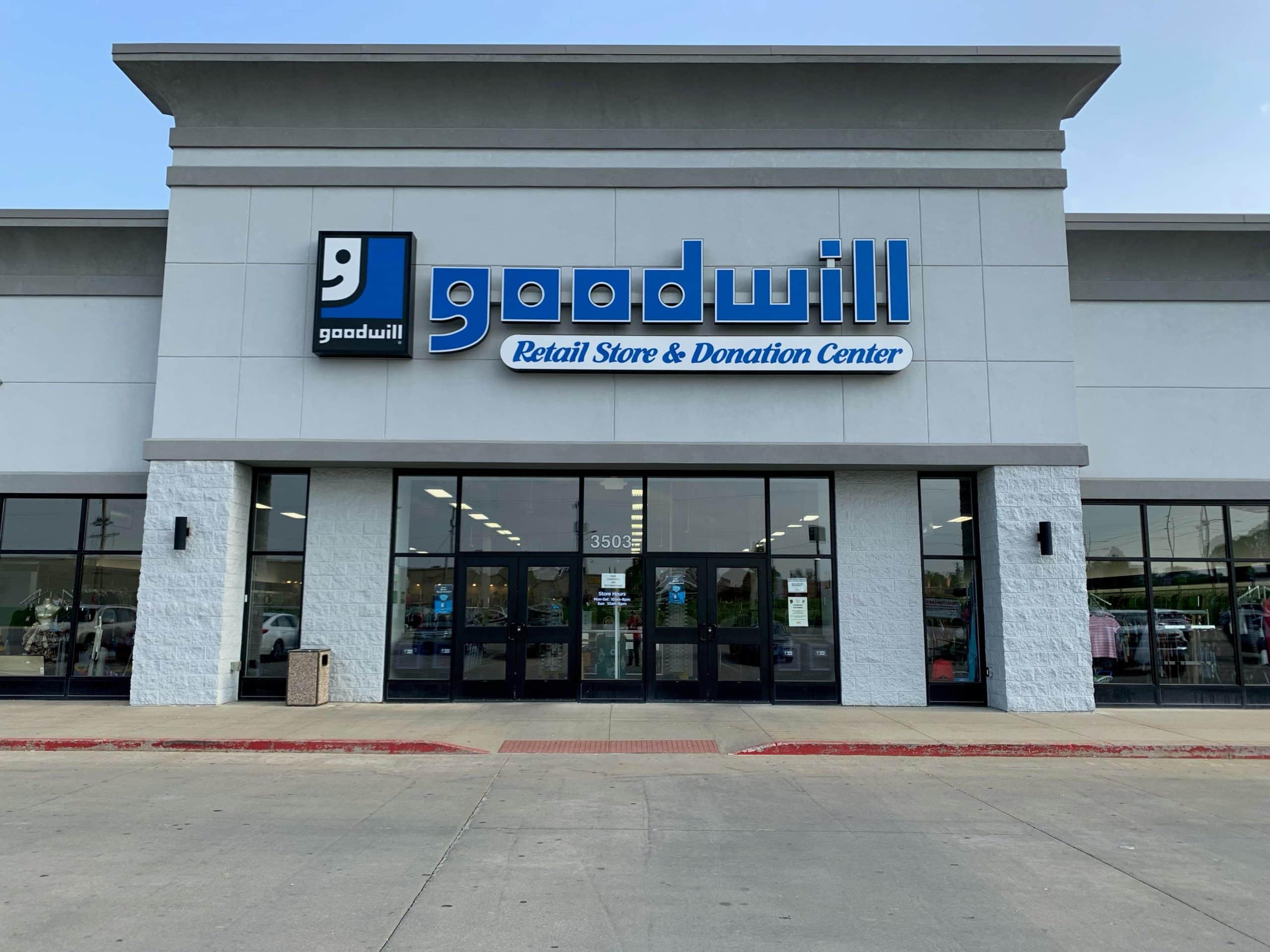
When you walk into a secondhand shop, you're usually hunting for two things: a solid bargain or a hidden treasure. Two massive non-profit giants dominate the secondhand retail landscape across North America: Goodwill and The Salvation Army. While both organizations use their retail revenue to fund community programs, their day-to-day operations, pricing strategies, and merchandise sorting methods vary significantly. Understanding these structural differences helps you decide where to spend your money depending on whether you're looking for cheap clothes, vintage furniture, or items to resell.
Pricing structures between these two organizations aren't uniform. They depend heavily on regional district offices, local store management, and whether a branch uses centralized digital sorting or traditional floor-pricing. Looking closely at how each organization prices clothing, books, electronics, and home goods reveals clear patterns in where you'll save the most money.
Core Differences in Pricing Models
Goodwill operates through independent regional chapters, meaning pricing policies change dramatically depending on the city or state you're in. Many metropolitan Goodwill regions have shifted toward dynamic or tiered pricing. This means staff members check popular resale apps or online auction sites to price valuable brands, vintage items, and electronics closer to market value. Standard items like basic t-shirts or casual jeans usually stick to fixed price points, but high-end labels often end up behind glass counters or tagged at near-retail costs.
The Salvation Army also operates regionally, but its overall store model tends to rely more heavily on traditional, straightforward tagging systems. In many locations, items are priced to move quickly rather than to maximize individual item value. You're more likely to find uniform pricing for categories—such as all hardback books costing a flat rate or all adult sweaters sitting at a single predictable price point—regardless of whether the brand is designer or fast-fashion.
Another major factor affecting cost is the frequency and structure of store discounts. Both chains run sales, but they approach them differently. Goodwill often utilizes color-of-the-week tag discounts, where specific colored tags marked down by fifty percent rotate weekly. The Salvation Army frequently anchors its discounting strategy around designated sale days, such as half-off clothing promotions on Wednesdays or special holiday weekend events.
Category-by-Category Price Breakdown
To see how these philosophies play out in practice, it helps to examine specific retail categories.
Apparel and Shoes
Clothing makes up the bulk of inventory in both stores. At Goodwill, common mall brands like Old Navy or H and M are usually priced between four and seven dollars, while denim can range from eight to fifteen dollars depending on the neighborhood. Premium or designer labels found at Goodwill are often pulled for their online auction platform or priced at a premium right on the sales floor.
At The Salvation Army, clothing is often priced slightly lower across the board. Standard shirts and blouses frequently sit in the three to six dollar range. However, because Salvation Army stores may have looser intake standards in certain regions, you might have to sort through more worn or dated inventory to find those deals. Shoe pricing is comparable, though Goodwill tends to mark up athletic sneakers or leather boots if they appear lightly worn.
Books, Media, and Electronics
Media sections tell a fascinating story about modern thrift pricing. Goodwill has largely centralized its media evaluation. Books are frequently sorted, scanned for barcode value, and sometimes routed to specialized e-commerce hubs if they are rare or academic texts. Paperback books left on store shelves usually cost between one and two dollars, while hardcovers run three to four dollars.
The Salvation Army typically maintains a simpler approach to media. Books are rarely individually researched by staff. You can routinely find paperbacks for fifty cents and hardcovers for a dollar or two, making it a favorite spot for bulk readers. Electronics present a different challenge. Both stores struggle to thoroughly test complex electronics, but Goodwill is more likely to price flat-screen TVs, audio receivers, and vintage gear based on online secondhand market values, whereas Salvation Army branches often price older electronics lower just to clear shelf space.
Furniture and Home Goods
Home goods and kitchenware are staples of secondhand shopping. Glassware, mugs, and plates are usually priced similarly at both chains, typically ranging from one to three dollars per piece. Furniture, however, diverges sharply. Goodwill stores in urban areas often price couches, dressers, and tables aggressively, sometimes pushing vintage mid-century pieces to high market rates because staff recognize the aesthetic demand. Salvation Army furniture pricing tends to fluctuate based on local floor space limits. If a store is overflowing with donations, you can negotiate or catch deep markdowns on bulky items simply because they need the room.
Sourcing and Inventory Quality
Price is only half the equation; value depends on what you actually find on the racks. Goodwill benefits from a massive, highly visible network of standalone donation centers. This steady stream of goods gives Goodwill a high volume of diverse inventory, including clean clothing donations from affluent suburbs.
The Salvation Army accepts large volumes of donations as well, often supporting its adult rehabilitation centers through household pickup services. Because their intake is directly tied to a major social support infrastructure, the mix of items can be more eclectic. Shoppers often report that Salvation Army locations yield stranger, more varied household items, while Goodwill leans heavier into contemporary apparel and housewares.
If you want to dive deeper into how different retail models approach secondhand goods, you can read more about local resale ecosystems through this overview of thrift stores. For broader retail insights, consumer evaluations on platforms like Comparably offer a look at how customers and employees view both organizations.
Common Thrifting Mistakes to Avoid
Thrifting successfully requires avoiding a few common pitfalls that cost shoppers time and money.
- Ignoring the return policy differences: Goodwill regional districts often allow short-window returns or exchanges for store credit, usually within seven days with a receipt. The Salvation Army typically enforces a strict all-sales-final policy on secondhand merchandise. Always check local store signage before purchasing electronics or appliances.
- Shopping without checking tag colors: Walking into a store without knowing which tag color is currently discounted means missing out on automatic savings. Always look at the front doors or cash registers for the current week's clearance color.
- Assuming prices are uniform: Don't assume a chain is cheap everywhere. A Goodwill or Salvation Army located in a high-cost-of-living urban center will have noticeably higher prices than a rural branch twenty miles away.
- Overlooking inspection: Because secondhand items are sold as-is, failing to test a lamp plug, check a zipper, or inspect a dish for hairline cracks leads to wasted money.
Frequently Asked Questions
Which store is generally cheaper for clothing?
The Salvation Army tends to be slightly cheaper and more consistent with flat-rate clothing prices across standard categories. Goodwill varies more by region and frequently marks up designer or trendy labels.
Do both stores offer donation pickup services?
The Salvation Army is widely known for scheduling free residential truck pickups for large furniture and appliance donations. Goodwill donation options depend heavily on the local regional chapter, with many requiring you to drop items off at designated attendants' stations.
Why are some Goodwill prices close to retail?
Many regional Goodwill chapters use automated pricing software or train employees to check online secondary markets. When an item has a recognizable brand name or vintage appeal, stores often price it to capture market value rather than traditional thrift pricing.
Can you negotiate prices at Goodwill or Salvation Army?
Generally, prices are fixed at the register, and floor staff cannot alter prices. However, if an item has structural damage that staff missed, asking a manager politely for a minor discount sometimes works.