Finding a new family member through a specialized breed rescue changes lives on both ends of the leash. For decades, organizations dedicated to specific breeds have stepped in when dogs face abandonment, owner surrenders, or commercial breeding facility closures. Regional networks like Golden Retriever Rescue of the Rockies coordinate medical care, foster placement, and permanent adoptions for hundreds of dogs every year. Understanding how these operations function helps prospective adopters navigate the process and support animal welfare effectively.
Breed-specific rescue operations tackle unique logistical and financial hurdles. Golden Retrievers require significant grooming, space, and medical oversight, especially older dogs or those recovering from neglect. When rescue groups utilize visual storytelling—such as compelling photography and adoption profiles—they bridge the gap between vulnerable animals and families ready to provide stability. High-quality imagery captures personality traits that dry text descriptions miss, turning a casual browser into an active applicant.
Understanding Breed-Specific Rescue Operations
Specialized rescues operate differently from municipal animal shelters. While city pounds handle all types of stray or surrendered animals under strict municipal constraints, breed-specific groups focus intensely on the behavioral and medical needs of a single breed.
Organizations like the Golden Retriever Rescue of the Rockies evaluate every incoming dog for temperament, joint health, and cardiac condition. Many dogs arrive from difficult backgrounds, including puppy mills or situations where owners could no longer manage medical bills.
- Intake Assessments: Evaluators check how dogs react to other animals, strangers, and household noises.
- Medical Rehabilitation: Surgeries for torn cruciate ligaments, heartworm treatments, and dental care are handled before adoption.
- Foster Network Placement: Dogs live in temporary foster homes where volunteers observe indoor manners and house-training progress.
The Power of Visual Storytelling in Pet Adoption
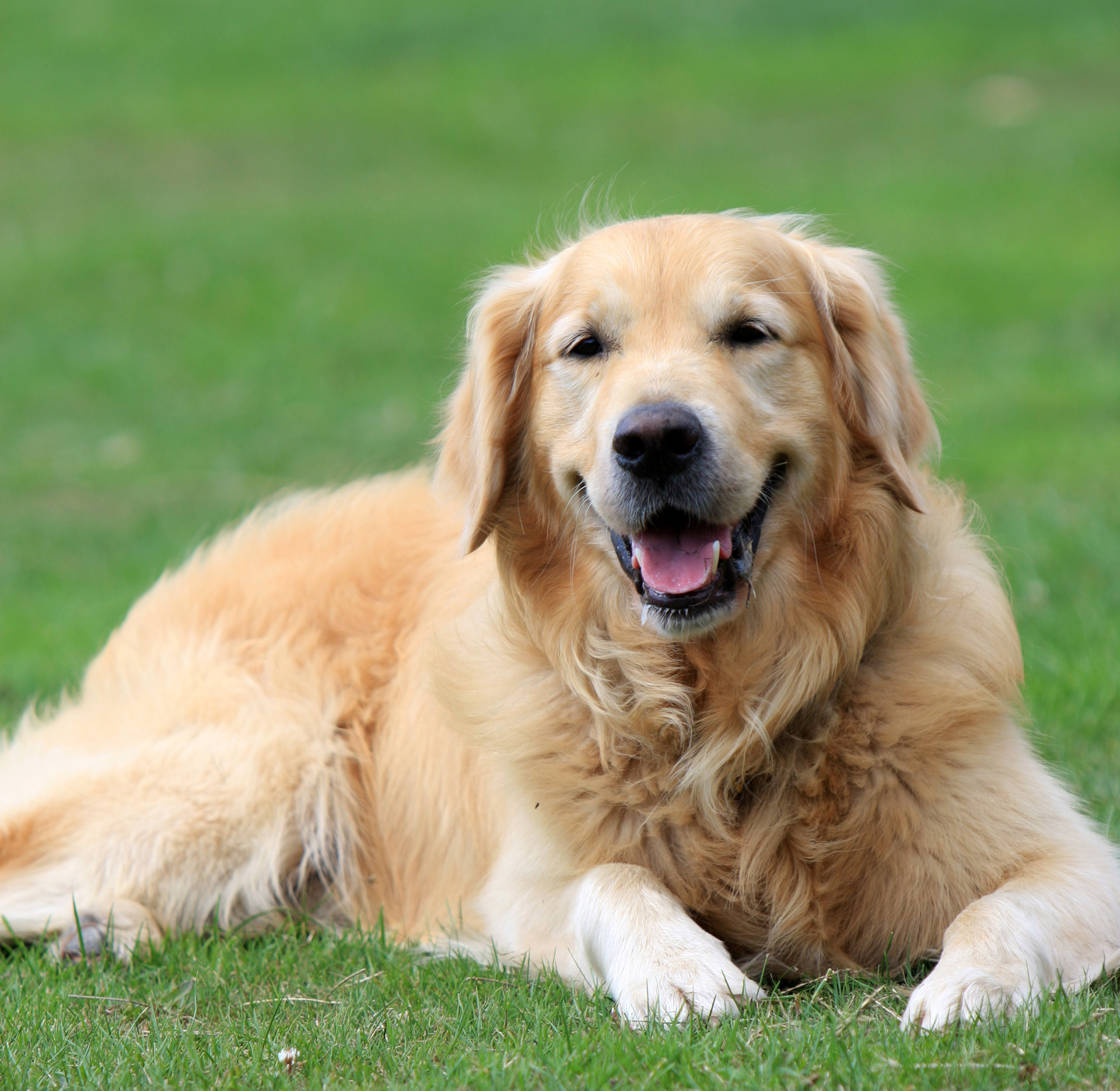
Photos and video clips serve as the primary engine for modern animal placement. When a dog sits behind a chain-link kennel fence, potential adopters often see stress rather than true personality. Professional or candid photography highlights soft expressions, playful stances, and calm demeanors.
Visual media counters the stigma surrounding older or special-needs dogs. A clear, well-lit portrait of a senior golden retriever with frosted muzzle markings communicates dignity and warmth instead of frailty. These images circulate rapidly across social media channels, drawing out-of-town interest and local volunteers alike.
When organizations share visual progress logs—showing a dog transitioning from a fearful intake day to a relaxed nap on a living room rug—supporters see the tangible impact of their donations. This transparency builds long-term community engagement and drives continuous funding.
The Step-by-Step Adoption Process
Securing a rescue dog requires patience and adherence to structured guidelines. Breed rescues maintain strict criteria to ensure permanent placements, minimizing the risk of secondary displacement.
- Review Guidelines: Applicants must meet minimum age requirements (typically 21 years old) and review housing restrictions. Many rescues require physical, secure fences due to the athletic nature of the breed.
- Submit an Application: Detailed online forms capture household routines, veterinary history for past pets, and lifestyle habits.
- Reference Checks: Rescues contact personal references and previous veterinarians to verify pet care standards.
- The Matching Phase: Rather than a first-come, first-served model, coordinators match dogs based on individual temperaments and family environments.
- Final Meet-and-Greet: Approved applicants meet the dog in a controlled setting to ensure mutual compatibility before signing adoption paperwork.
Common Mistakes Adopters Make
Navigating the rescue landscape involves managing expectations. First-time rescue applicants occasionally stumble over avoidable hurdles that delay or halt their application.
- Expecting Immediate Perfection: Rescue dogs often experience a decompression period lasting weeks. Assuming a dog will immediately know house rules leads to unnecessary frustration.
- Focusing Solely on Puppies: Most breed rescues intake adult and senior dogs. Passing on older dogs means missing out on house-trained, settled companions who require less intensive supervision.
- Underestimating Medical Costs: Even though rescues vet and vaccinate dogs prior to adoption, senior animals or those with past neglect histories may require ongoing maintenance care or supplements.
- Incomplete Applications: Leaving veterinary references blank or omitting details about landlord pet policies results in processing delays.
Frequently Asked Questions
How long does the adoption approval take?
Timelines vary depending on foster home availability and application volume. Because most rescue staff are volunteers, processing reference checks and matching profiles can take anywhere from a few days to several weeks.
Can I adopt if I don't have a fenced yard?
Most breed rescues prefer or mandate fenced yards for active breeds like Golden Retrievers. However, exceptions are sometimes made for applicants who demonstrate a commitment to daily leash exercise, running, and obedience training.
What are the adoption fees used for?
Adoption fees directly cover veterinary expenses, including spay or neuter procedures, microchip registration, vaccinations, and specialized medical treatments like orthopedic surgeries funded through donor programs.
Are dogs ever posted directly to the website?
Many dogs find homes through pre-approved applicant waiting lists before ever appearing on public adoption pages. Submitting an application early is often necessary to be considered for incoming rescues.