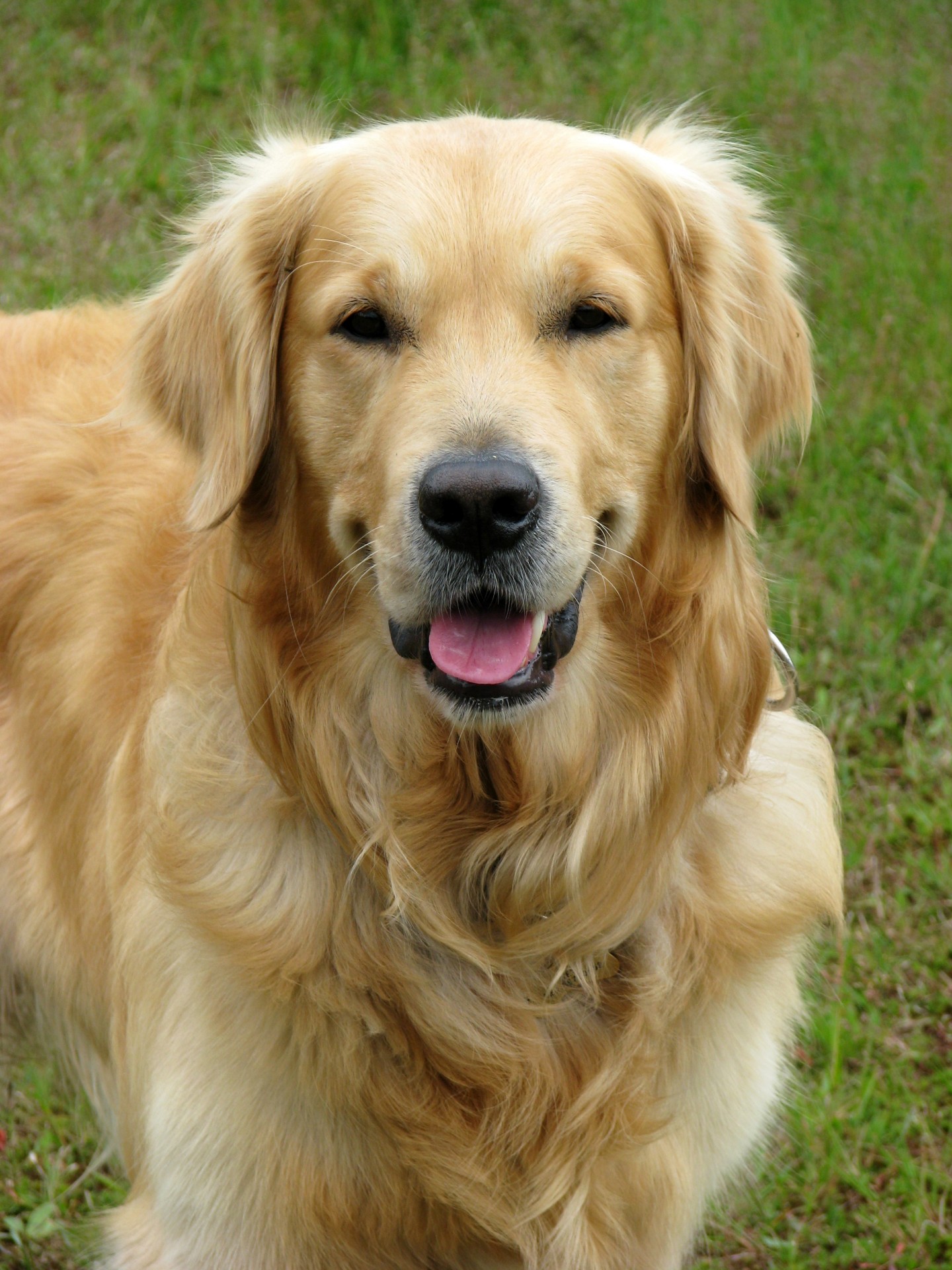
Golden retriever grooming requires a steady routine to manage a dense double coat that sheds year-round and packs heavy undercoats twice a year. If you skip regular brushing sessions, oils accumulate, dead hair traps against the skin, and painful mats form near the elbows and behind the ears.
Managing this breed's coat doesn't mean spending hours at a salon every week. With the right tools, a clear understanding of coat biology, and a predictable schedule, you can keep your dog's skin healthy and minimize loose hair around your home.
Understanding the Golden Retriever Double Coat
Golden retrievers feature a water-repellent outer coat and a dense, insulating undercoat. The outer guard hairs protect against moisture and briars, while the undercoat regulates body temperature by trapping air.
During spring and autumn, your dog experiences a heavy seasonal blow where the entire undercoat sheds out in clumps. During these shedding phases, a weekly brush won't cut it. You'll need daily attention to extract dead hair before it mats against the skin.
Essential Grooming Toolkit
Using the wrong brush damages the coat and leaves undercoat trapped close to the skin. Stock your grooming station with specific instruments designed for double-coated breeds:
- Slicker Brush: Features fine, bent wire bristles that penetrate the outer coat to pull out loose undercoat hair without scratching the skin.
- Undercoat Rake: Equipped with rounded pins that glide through thick fur to reach deep mats near the skin.
- Greyhound Comb: A dual-spaced metal comb used as a final check to catch remaining tangles behind ears, under legs, and along the tail.
- De-shedding Blade or Tool: Helpful during peak seasonal shedding to pull out loose fur quickly, though you must use it with a light touch to avoid cutting guard hairs.
- Nail Grinder or Clippers: Scissor-style clippers or an electric grinder keep fast-growing nails short and safe.
According to the American Kennel Club, establishing a calm routine early in a puppy's life ensures they tolerate handling well during adult grooming sessions.
Step-by-Step Maintenance Routine
A structured weekly and monthly rhythm prevents coat neglect and catches skin issues early.
Weekly Maintenance
- Line Brushing: Part the fur with one hand and brush outward from the skin with the slicker brush, moving systematically from the tail up toward the head.
- Tackle Friction Zones: Check areas where friction occurs constantly—armpits, groin, behind the ears, and the feathering on the back legs. Work out any small tangles with the metal comb.
- Ear Inspection: Wipe the outer ear canal with a vet-approved cleaning solution on a cotton ball. Never insert cotton swabs deep into the canal.
- Dental Care: Brush your dog's teeth two to three times a week using canine-specific enzymatic toothpaste.
Bathing and Drying
Golden retrievers don't need frequent baths unless they swim in muddy water or roll in debris. Bathing too often strips natural oils from the skin, causing dryness and itching.
When it's time for a bath, wet the coat thoroughly with lukewarm water. Massage a mild dog shampoo deep into the undercoat, rinse completely, and apply a conditioning rinse to restore moisture. Towel dry gently, then use a high-velocity pet dryer to blow out remaining moisture. Leaving a double-coated dog damp trapped against the skin invites hot spots and bacterial growth.
Common Grooming Mistakes to Avoid
Many owners run into trouble by adopting incorrect techniques or skipping critical maintenance steps.
- Shaving the Coat: Never shave a golden retriever unless a veterinarian requires it for surgery or a severe medical condition. Shaving ruins the natural growth cycle of the double coat, leaving the dog vulnerable to sunburn, insect bites, and impaired temperature regulation.
- Cutting Mats Out with Scissors: Pulling scissors close to the skin to snip out a mat often results in accidental skin lacerations because mats pull the skin upward. Always split mats apart gently with a comb or rake instead.
- Ignoring Ear Moisture: Floppy ears trap heat and moisture easily. Failing to dry ears thoroughly after swimming or bathing frequently leads to painful ear infections.
- Neglecting Nail Maintenance: Long nails alter your dog's stride and put pressure on their joints. If you hear clicking on hardwood floors, it's time for a trim.
Frequently Asked Questions
How often should I brush my golden retriever?
Plan for thorough brushing two to three times a week during normal months. Switch to daily 15-minute brushing sessions when your dog blows their undercoat in the spring and autumn.
Do golden retrievers need haircuts?
They generally don't need full-body haircuts. Professional grooming for this breed focuses on neatening feathering around the feet, legs, belly, and ears using thinning shears to maintain a natural silhouette.
What causes hot spots, and how do I prevent them?
Hot spots are moist, inflamed patches of skin triggered by trapped moisture, allergies, or constant chewing. Prevent them by thoroughly drying your dog after swimming or baths and brushing out dead undercoat before it traps sweat and dirt against the skin.
When should I take my dog to a professional groomer?
If you lack time for regular upkeep, struggle with severe matting, or feel uncomfortable trimming nails, booking a professional every six to eight weeks helps maintain coat health and hygiene.



