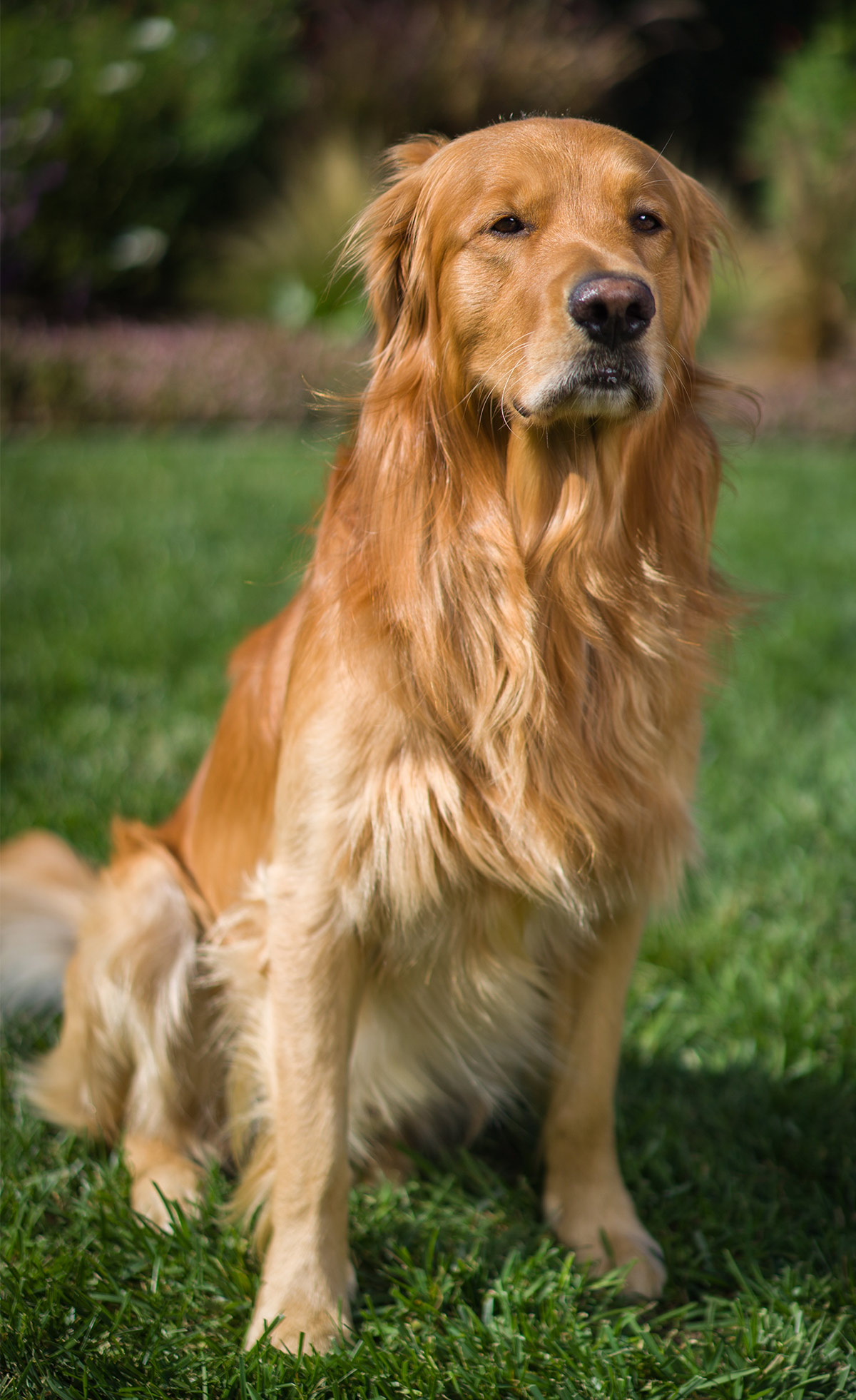
Choosing between a Golden Retriever and a Rottweiler means weighing two very different styles of canine companionship. While both rank among the most intelligent and loyal large breeds recognized by the American Kennel Club, they suit entirely different households. A Golden Retriever thrives on indiscriminate friendliness and constant social interaction, whereas a Rottweiler offers a calm, discerning loyalty with natural guarding instincts.
Understanding these differences goes far beyond standard breed profiles. Daily life with a 75-pound retriever involves managing high-energy play, endless shedding, and a velcro-like attachment to family members. Living with a 100-pound Rottweiler requires strict socialization, handling heavy-duty physical strength, and navigating breed-specific insurance or housing restrictions. This breakdown looks past surface-level traits to examine the real ownership demands of each breed.
Temperament and Social Styles
The fundamental divide between these two breeds lies in how they view strangers and manage their energy. Golden Retrievers are famously exuberant and view every human they meet as a long-lost friend. They lack genuine territorial guarding instincts, meaning a stranger at the door usually triggers a brief alert bark followed by an enthusiastic tail wag.
Rottweilers approach the world with a cool, self-assured neutrality. They don't need to be taught to protect; rather, they require early socialization to learn who poses a threat and who is a welcome guest. A well-bred Rottweiler is calm and confident, but they remain watchful observers rather than party hosts.
Watchdog Versus Companion
- Golden Retriever: Barks to announce visitors, then seeks to be petted. Highly prone to separation anxiety due to intense human-bonding traits.
- Rottweiler: Quiet and deliberate. They tend to bond deeply with one primary person or family unit and maintain a protective stance over their home territory.
Physical Realities and Maintenance
Size and strength dictate the day-to-day logistics of handling a large dog. Adult male Golden Retrievers typically range from 65 to 75 pounds, while male Rottweilers frequently scale up to 115 pounds or more. That weight difference changes everything from leash walking to veterinary medication dosages.
Coat maintenance also differs significantly. Golden Retrievers feature a dense, water-repellent double coat that traps mud and sheds continuously year-round, requiring multiple weekly brushings. Rottweilers carry a shorter double coat that demands less grooming attention on a regular week, though they still blow their undercoats twice annually.
The Financial and Spatial Impact
- Housing Constraints: Rottweilers face strict bans in many rental properties, and homeowners insurance policies often surcharge or exclude them entirely. Golden Retrievers rarely encounter housing bias.
- Medical Costs: Giant breed status means higher costs for flea and tick prevention, anesthesia, and orthopedic surgeries like cruciate ligament repair.
Training and Handling Dynamics
Both breeds score exceptionally high in trainability, but they respond to different leadership styles. Golden Retrievers are eager to please and will work tirelessly for praise and food rewards. Their soft-mouthed retriever heritage means they have an innate drive to carry objects, which helps channel adolescent biting phases into constructive play.
Rottweilers are biddable and respect fair, consistent boundaries, but they possess an independent streak. If an owner is inconsistent or harsh, a Rottweiler may push back. Because a young Rottweiler reaches substantial physical strength by six months of age, loose-leash training and impulse control must be established early before the dog can physically overpower its handler.
Common Ownership Mistakes
First-time owners often underestimate the specific behavioral milestones and management needs of these powerful dogs. Avoiding these missteps ensures a safer home environment.
- Skipping Socialization Windows: Failing to expose a young Rottweiler to varied people, noises, and environments can result in fear-based reactivity later in life.
- Ignoring Adolescent Boundaries: Both breeds go through a challenging teenage phase between 12 and 36 months where previously learned commands seem to vanish.
- Underestimating Exercise Needs: Providing a backyard is not enough. Mental stimulation through obedience training or tracking games is mandatory to prevent destructive chewing.
- Neglecting Same-Sex Dynamics: Rottweilers carry a higher genetic predisposition for same-sex dog aggression as they reach social maturity, requiring careful multi-dog household management.
Frequently Asked Questions
Which breed is better for first-time owners?
Golden Retrievers are generally easier for beginners because of their forgiving nature, eagerness to please, and lack of strong protective instincts. Rottweilers require experienced handlers who understand canine body language and boundary setting.
Do Rottweilers shed more than Golden Retrievers?
No. Golden Retrievers shed longer hair more profusely across furniture and clothing. Rottweilers shed shorter, bristly hairs that weave tightly into fabrics, making them harder to vacuum out despite shorter coat lengths.
Are Rottweilers good with children?
They can be exceptionally gentle family companions when properly socialized, but their sheer mass means they can easily knock over small children during play. Supervision is required for both breeds around kids.
How much daily exercise do they need?
Both breeds require 60 to 90 minutes of daily physical activity, combined with mental enrichment tasks. Skipping these outlets leads to unwanted behaviors such as digging, chewing, or excessive vocalization.



