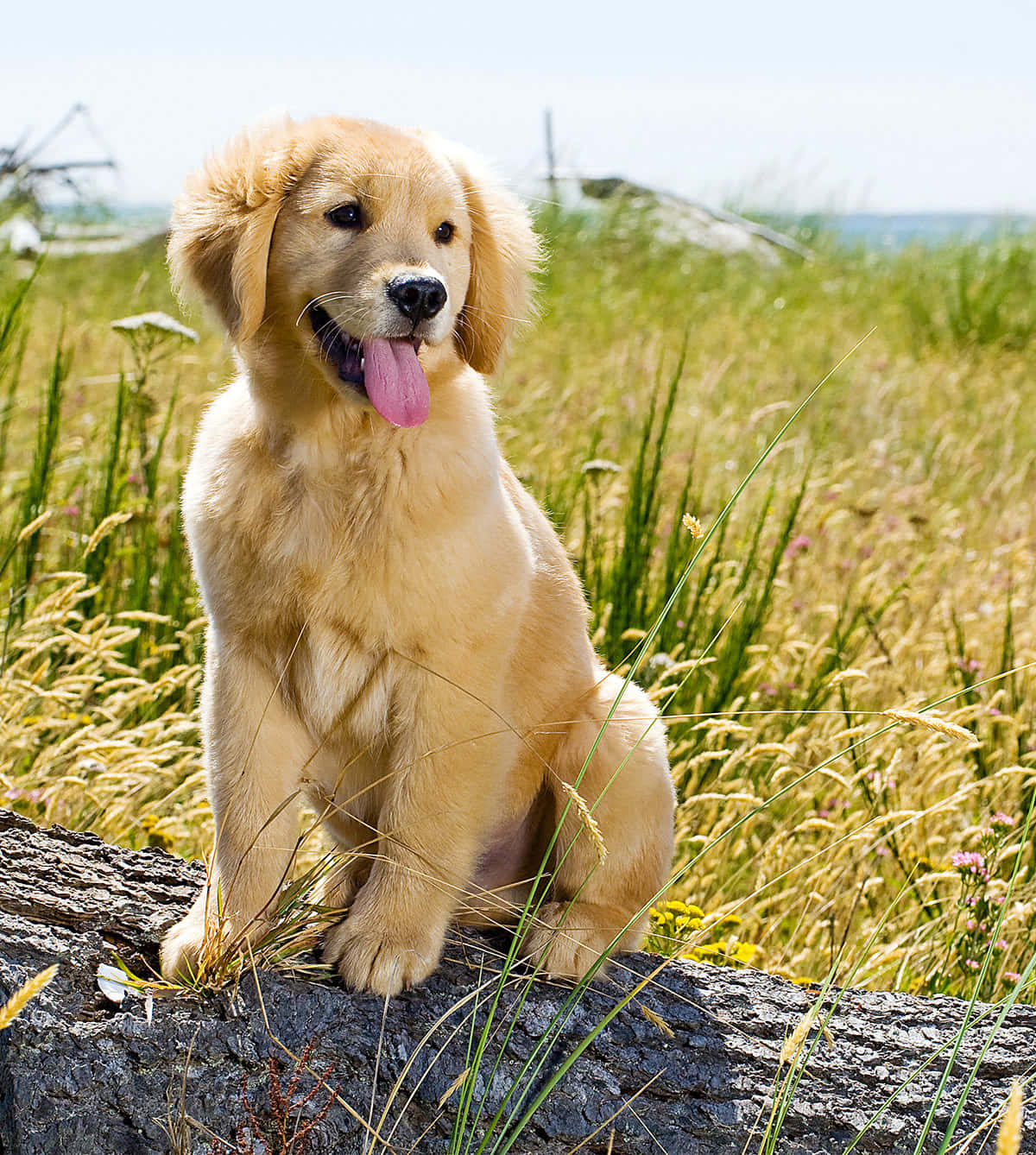
When you cross a large, sporting Golden Retriever with a low-slung, hound-type Dachshund, you get a dog that defies standard expectations. It's an unusual pairing of two completely different body types and working backgrounds. People call these dogs Golden Dachshunds or Goldensachs, and they capture a lot of curiosity online. But looks and online nicknames don't tell you what living with one is actually like. You need to look closely at genetics, temperament, and day-to-day care needs before bringing one home.
A golden retriever and dachshund mix typically results in a medium-sized dog with a surprisingly long body, floppy ears, and an expressive face. Because parent breeds differ vastly in size and weight, puppies in the same litter can vary widely. You might see a dog weighing thirty pounds with short legs, or forty pounds with a more balanced retriever frame. Their coats can be wiry, long, and silky, or short and dense, depending on whether the Dachshund parent was smooth, wirehaired, or longhaired.
Understanding the search intent behind this mix reveals that potential owners want straight answers about health risks, temperament quirks, and daily exercise realities. They aren't looking for poetry; they want to know if this dog will fit into an apartment, how much it will shed, and whether its back is prone to injury. We'll break down everything you need to manage this unique crossbreed successfully.
Physical Traits and Appearance Variability
Predicting the exact look of a golden retriever and dachshund mix is tough. Genetics don't blend evenly. You're combining a fifty-to-seventy-pound retriever with a sixteen-pound standard or nine-pound miniature dachshund. Most adult mixes settle somewhere between thirty and forty-five pounds. They usually inherit the signature elongated spine of the Dachshund, paired with the broader chest and friendly head shape of the Golden Retriever.
Leg length is another wild card. Some dogs inherit the classic dwarfism trait (chondrodysplasia) from their dachshund lineage, leading to short, curved legs supporting a long torso. Others have slightly longer legs that look more proportionate to their bodies. Coat types vary just as much. If the puppy inherits a long coat, expect regular grooming sessions to prevent mats. If the coat is short, brushing weekly keeps loose hair under control.
Temperament and Personality Dynamics
Both parent breeds are famous for their affection, but they express it differently. Golden Retrievers are famously easygoing, eager to please, and social with strangers and other pets. Dachshunds were bred to hunt badgers independently, so they tend to be feisty, vocal, courageous, and sometimes stubborn. When you mix these traits, you get a dog that loves human companionship intensely but can also display a stubborn independent streak.
They're usually great family dogs when socialized early. However, you'll notice a strong watchdog tendency. Dachshunds bark to alert their owners, and your mix might inherit this vocal habit. If you live in an apartment with thin walls, training your dog early to manage nuisance barking is essential. They don't do well when left alone for long stretches. Separation anxiety can creep in because both parent breeds form deep attachments to their people.
Health Risks and Spinal Care
The most critical health factor for a golden retriever and dachshund mix involves spinal health. Because of the elongated back inherited from the Dachshund, these dogs face a higher risk of Intervertebral Disc Disease (IVDD). When disc material herniates or slips, it can cause severe pain, nerve damage, or paralysis.
You can protect your dog's spine with a few strict household rules. Don't let your dog jump off high couches, beds, or back porches. Use sturdy pet ramps for elevated surfaces. Keep your dog at a lean, healthy weight. Extra pounds put immense strain on a long back. You can read more about canine spinal health guidelines through the American Kennel Club.
Beyond IVDD, keep an eye on hip dysplasia, a common genetic condition in Golden Retrievers. Regular veterinary checkups, joint supplements if recommended by your vet, and controlled exercise during puppyhood help mitigate these risks. Ear infections are another frequent issue due to the floppy ears trapping moisture. Clean their ears weekly with a vet-approved solution.
Exercise and Daily Routine Management
Don't let the short legs fool you. These dogs have plenty of energy. They need daily physical activity to stay fit and mentally balanced. A thirty-minute brisk walk twice a day usually satisfies their physical needs. Because of their hunting instincts, they love sniffing trails, so allow time for investigative sniffing during walks.
Keep them on a leash when you're in unfenced areas. The Dachshund prey drive means they might take off after squirrels or neighborhood cats. Mental stimulation matters just as much as physical exercise. Puzzle toys, scent games, and obedience training sessions prevent boredom chewing and destructive behaviors around the house. For safety advice regarding outdoor exercise and parasite prevention, check recommendations from the Centers for Disease Control and Prevention.
Training Realities and Common Mistakes
Training a golden retriever and dachshund mix requires patience and consistency. While the Golden Retriever side wants to please you, the Dachshund side loves testing boundaries. Harsh corrections backfire quickly with this mix. They shut down or dig their heels in when treated too roughly.
Use positive reinforcement methods featuring high-value treats and enthusiastic praise. Keep training sessions short—around ten to fifteen minutes—to hold their attention.
Common mistakes owners make include:
- Allowing puppies to jump off high furniture, which damages developing joints and spines.
- Ignoring early socialization, leading to excessive wariness around strangers or other dogs.
- Overfeeding and giving too many table scraps, which rapidly leads to dangerous weight gain on a fragile frame.
- Failing to set clear boundaries for barking, which turns a vocal puppy into a disruptive adult dog.
Grooming and Coat Maintenance
Grooming depends entirely on the coat type your individual dog inherits. If your mix has a longer, feather-heavy coat like a Golden Retriever crossed with a longhaired dachshund, plan on brushing three to four times a week. Mats form quickly behind the ears and under the legs.
If the coat is short and smooth, a rubber curry brush used once a week removes loose hairs easily. Nail trimming is crucial because long nails alter a dog's gait and put extra stress on their spine and joints. Brush their teeth at least three times a week to prevent periodontal disease, which plagues smaller mixed breeds.
Frequently Asked Questions
How long do golden retriever and dachshund mixes live?
Most healthy dogs live between twelve and fifteen years. Smaller individuals with more dachshund traits often live slightly longer lives than larger ones leaning toward retriever sizing.
Are they good with children?
Yes, they generally love kids. However, because of their vulnerable backs, children must learn how to handle them gently. Kids should never pick up these dogs incorrectly or let them jump from high furniture.
Do they shed a lot?
Yes, shedding is moderate to heavy year-round, especially during seasonal coat changes in spring and autumn. Regular brushing minimizes loose fur floating around your home.
Can they live in apartments?
They adapt well to apartment living if you commit to daily walks and mental exercise. Just remember to address potential barking habits early to keep neighbors happy.



