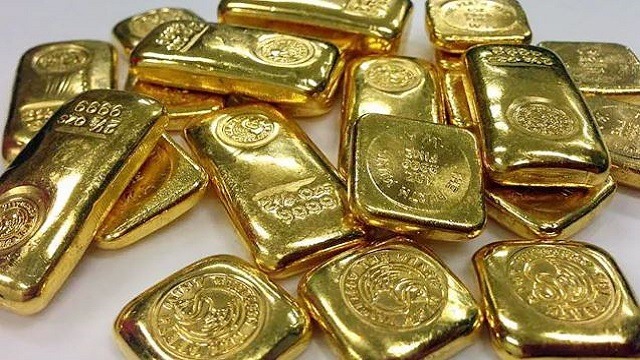
Language carries baggage, and few terms pack as much historical irony as the word gold brick. When you hear the phrase, you might picture a heavy metal ingot sitting in a high-security vault. Yet, in everyday speech and historical American slang, it usually means a brazen fraud or a lazy worker who dodges responsibility.
If you've stumbled across references to this idiom in puzzle columns or historical texts, the real story behind the expression is far stranger than a simple vocabulary lesson. It points straight to old-school con artists, military life, and the timeless human urge to get something for nothing.
What Does Gold Brick Actually Mean?
At its core, a gold brick has two distinct definitions. The literal version refers to a base metal brick—usually lead or brass—painted or plated with a thin layer of gold to deceive buyers. It is a tangible swindle.
The figurative version describes something or someone that looks authentic and valuable on the surface but proves entirely worthless upon closer inspection. Over time, the term shifted from the object itself to the person doing the deceiving or avoiding. A goldbrick is someone who shirks duties, fakes illness, or coasts by while others do the heavy lifting.
The Con Artist Roots of the Gilded Swindle
The term originated in the United States during the late 19th century, coinciding with various gold rushes and a general public obsessed with sudden wealth. Con artists capitalized on this greed through the classic "gold brick confidence game."
A typical scam went like this: A sharp operator would approach a mark, often a farmer or small-town merchant visiting a major city, and claim to have stumbled upon a hidden stash of raw gold. To prove its authenticity, the scammer would chip off a small corner of a genuine gold piece for the victim to test at a local assayer. Once verified, the victim would purchase the remaining "gold brick" at a steep discount, only to discover later that the interior was entirely base metal coated in a thin veneer.
These scams relied entirely on the victim's greed and willingness to participate in a shady deal. After all, if you think you are buying stolen or secretly acquired gold below market value, you cannot exactly go to the police when you get cheated.
From Swindle to Military Slang
By the early 1900s, the noun evolved into a verb and a descriptor within the United States military. Soldiers began using "goldbricking" to describe troops who shirked their assigned duties or faked injuries to get out of hard labor.
During World War I and World War II, the term became a staple of barracks vocabulary. A goldbricker was someone who mastered the art of looking busy while doing nothing constructive. According to historical Merriam-Webster accounts, the military environment created a culture where avoiding fatigue duty became an art form, cementing the term in American lexicon.
How the Term Appears in Puzzles and Modern Media
If you encountered the phrase recently, you likely saw it pop up in a word game or historical trivia column. Crossword constructors love terms with dual personalities because they allow for clever cluing.
When a puzzle clue asks for a gold brick, the answer might depend entirely on whether the puzzle leans toward literal definitions like an ingot or metaphorical ones like a slacker or fraud. This versatility keeps the idiom relevant long after the original 19th-century confidence tricks faded from daily headlines.
Common Mistakes and Misconceptions
People often confuse goldbricking with regular laziness, but the two aren't identical.
- True laziness is passive exhaustion or a lack of motivation.
- Goldbricking is active evasion. It requires a certain amount of cunning to look occupied while actively avoiding work.
- Another mistake is assuming the phrase relates to the gold standard in economics. It has nothing to do with monetary policy and everything to do with petty crime and workplace sociology.
Frequently Asked Questions
Is gold brick one word or two?
Historically and grammatically, it functions as a noun phrase ("gold brick"), a verb ("to goldbrick"), and a compound noun ("goldbrick" or "goldbricker") depending on the context.
How did soldiers use the term during wartime?
Troops used it to label anyone who avoided dangerous or exhausting chores by pretending to be sick or finding loopholes in their orders. It carried a heavy stigma among frontline personnel who depended on every soldier pulling their weight.
Why do crossword puzzles use this phrase?
Crossword editors enjoy the contrast between the literal metal object and the slang definition for a lazy person. It tests a solver's knowledge of historical idioms rather than direct definitions.
Can a person be a gold brick?
Yes. While it started as an object, calling someone a gold brick means you view them as a fake who presents themselves as capable but delivers zero actual value.



