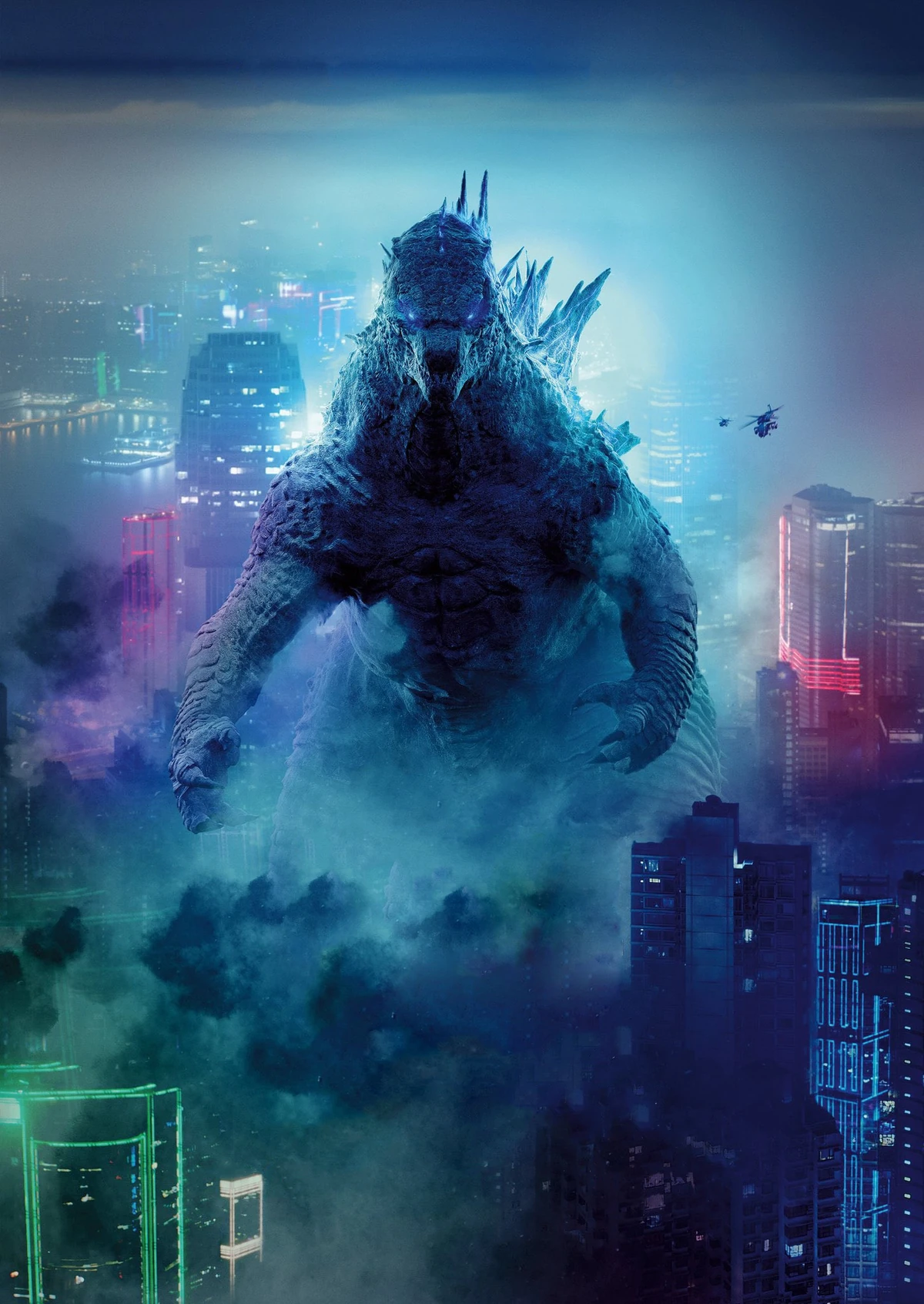
Godzilla is purely fictional. No hundred-meter-tall, radioactive reptile stomps through the ocean trenches or destroys modern cities. Yet, the question of Godzilla's reality isn't just about whether a giant monster exists in flesh and blood. The creature was born from very real historical trauma, scientific inspirations, and post-war anxieties that shaped global cinema [cite: 1.1.5,].
Understanding where the monster's reality ends and fiction begins requires looking at the geopolitical climate of 1950s Japan, the practical limitations of early special effects, and the real biological building blocks that inspired Toho's iconic kaiju [cite: 1.1.4,].
The Historical Reality Behind the Myth
The original 1954 film, directed by Ishirō Honda, wasn't conceived as a simple monster feature. It was a direct response to the atomic bombings of Hiroshima and Nagasaki, alongside the 1954 Lucky Dragon 5 incident—a Japanese fishing boat contaminated by US hydrogen bomb tests at Bikini Atoll.
Godzilla served as a living embodiment of nuclear devastation. The creature's destructive path, scorched footprint, and radioactive breath mirrored the invisible, indiscriminate threat of nuclear fallout. While the monster itself was imaginary, the terror it represented was grounded in the immediate history of mid-century Japan.
Biological and Cinematic Inspirations
Creators Tomoyuki Tanaka, Ishirō Honda, and special effects director Eiji Tsuburaya looked to both nature and earlier Hollywood creature features to design the beast.
- Prehistoric Anatomy: The physical silhouette borrows heavily from theropod dinosaurs like Tyrannosaurus rex, blended with the dermal plates of an Stegosaurus and the aquatic adaptability of marine life.
- American Precedents: The 1953 Hollywood film The Beast from 20,000 Fathoms—which featured a dinosaur awakened by an arctic atomic test—helped convince Toho Studios that a nuclear monster story could succeed commercially.
- Real Animal Traits: While no animal matches Godzilla's scale, filmmakers drew loose inspiration from natural phenomena, such as the electric discharges of eels and the defensive chemical sprays of bombardier beetles, to conceptualize atomic ray powers.
How the Suitmation Technique Created a Living Legend
Before modern computer-generated imagery dominated blockbusters, bringing Godzilla to life required physical ingenuity. Eiji Tsuburaya initially wanted to use stop-motion animation, but tight production schedules and budget constraints in post-war Japan made that impossible.
Instead, the team pioneered "suitmation." Actor Haruo Nakajima spent hours inside a heavy costume made of rubber, concrete mixes, and bamboo, stomping through miniature cityscapes built on studio stages. The physical weight, clumsiness, and tangible interaction with miniature buildings gave the character a gritty realism that captivated audiences. When Steven Spielberg discussed the original film, he noted that it worked so well because the practical effects made viewers believe the impossible was actually happening.
Separating Fact from Fiction: Common Misconceptions
Pop culture is filled with urban legends about movie monsters. Clearing up these misconceptions highlights how the franchise evolved over time:
- Godzilla's Gender: In the original Japanese films, Godzilla is generally treated as a genderless force of nature rather than a specific biological male, though later entries and American adaptations applied gendered pronouns.
- The Name Origin: The name Gojira is a famous portmanteau of the Japanese words for gorilla (gorira) and whale (kujira), inspired by a stout-built Toho studio employee, rather than an ancient mythological beast.
- Scientific Possibility: Square-cube law dictates that an animal scaled to Godzilla's proportions would crush its own skeletal structure under its sheer weight and generate internal body heat it couldn't dissipate. Biology firmly keeps the king of the monsters in the realm of fiction.
Frequently Asked Questions
Did a real animal ever inspire Godzilla's exact name or look?
No single animal inspired the complete design. The name came from a studio employee's nickname, and the visual style combined traits from multiple extinct dinosaurs and marine reptiles.
Is Godzilla a villain or a hero in the lore?
It depends on the era. The 1954 original portrayed the monster strictly as a destructive antagonist. Later Showa-era films transformed the character into a defender of Earth, while modern reboots often return to the concept of an indifferent, terrifying force of nature.
Where does the name come from in official records?
Toho Co., Ltd. registered the trademark in 1954, and the name officially entered international pop culture lexicon following the 1956 Americanized release starring Raymond Burr.
Can a creature like Godzilla ever exist biologically?
Physics and biology make it impossible for a bipedal reptile of that size to support its weight, breathe fire, or survive massive military bombardments without succumbing to cellular collapse and radiation poisoning.
You can explore more about the cultural impact and history of monster cinema through resources like Toho Kingdom and archives on Britannica.


