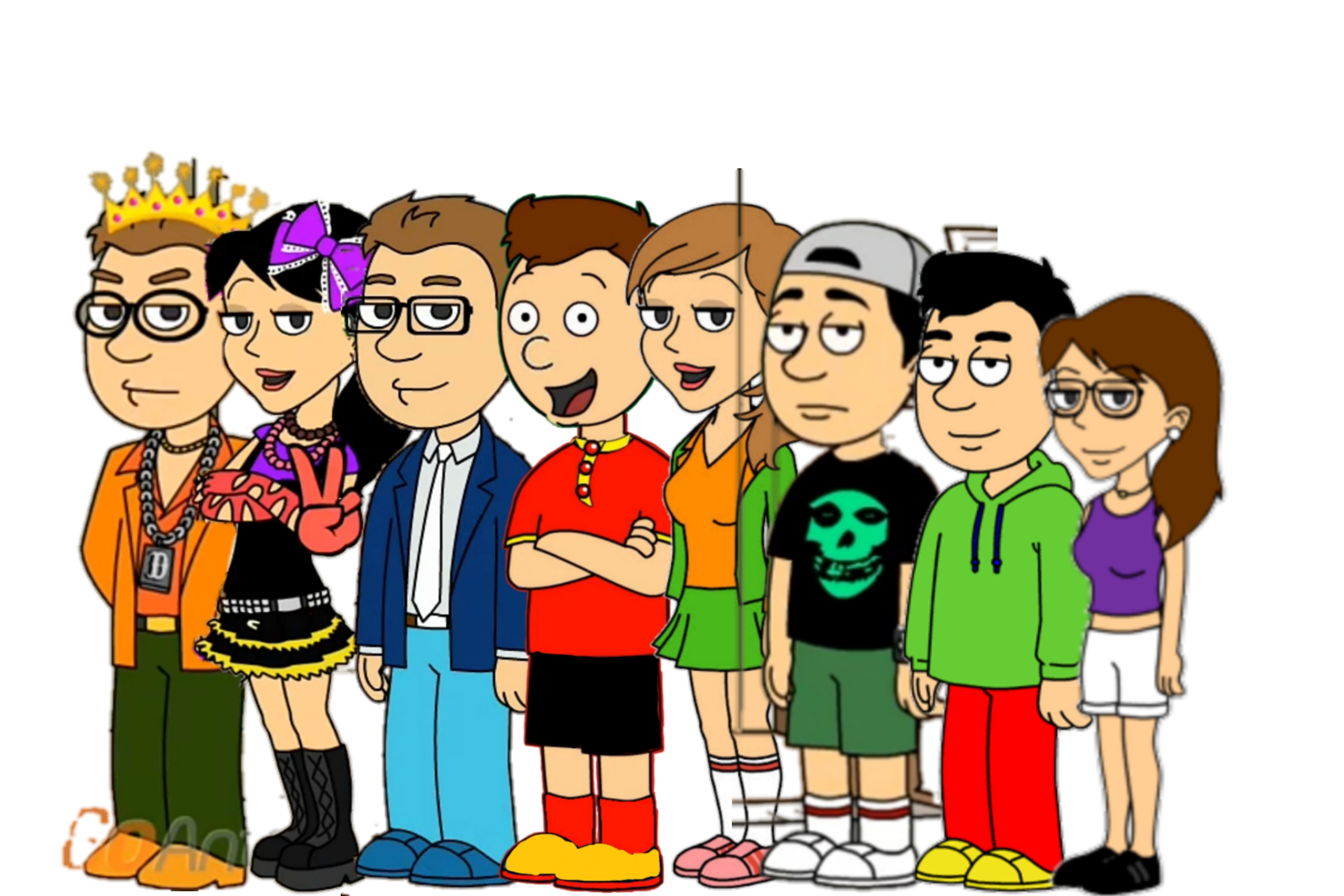
Online animation tools changed the way creators build short videos, memes, and corporate explainers without needing traditional drawing skills. GoAnimate, known today as Vyond, stands out as one of the most influential cloud-based animation platforms of the 2000s and 2010s. Its drag-and-drop interface lowered the barrier to entry, but it also accidentally spawned a massive, bizarre subculture across internet forums and video-sharing sites.
Understanding how the platform evolved requires looking past its corporate reputation and exploring its technical roots, community quirks, and eventual rebrand. This breakdown examines the software's origins, how users bent its tools into unexpected shapes, and what creators can learn from its enduring digital footprint.
Origins and Platform Evolution
Founded in 2007 by Alvin Hung, GoAnimate launched as a web-based platform designed to let everyday users create animated videos quickly. Instead of drawing frame-by-frame, users chose pre-made character templates, backgrounds, and pre-recorded or text-to-speech audio tracks.
The software relied heavily on Adobe Flash in its early years. This technical choice allowed the platform to run directly inside web browsers without heavy local installations. Creators could build scenes in minutes, choose movement presets, and export their work to YouTube or other video platforms.
As Flash aged and security concerns mounted, the company made a massive pivot. In 2018, GoAnimate officially rebranded as Vyond and transitioned completely to HTML5 technology. This shift preserved the core drag-and-drop ease of use while upgrading the graphics engine for modern corporate training, marketing, and educational videos.
The Mechanics of Drag-and-Drop Animation
The core appeal of early GoAnimate was speed and accessibility. Traditional animation requires deep knowledge of rigging, timing, and keyframes. GoAnimate abstracted these complexities behind a modular template system.
- Character Customization: Users could modify hair, clothing, facial features, and proportions using a modular character creator.
- Action Libraries: Instead of animating a walk cycle, creators selected a "walking" or "talking" action from a dropdown menu, and the software applied the motion automatically.
- Text-to-Speech Integration: Early versions gained widespread notoriety largely due to text-to-speech engines like "TTS voices" (including recognizable voices like Microsoft Sam), which allowed users to script dialogue instantly without recording voiceovers.
While professional animators sometimes dismissed these templates as rigid, the system allowed rapid prototyping. Small businesses and educators embraced the tool for low-budget explainers. At the same time, internet subcultures found the stiff movements and robotic voices ripe for parody, surreal comedy, and custom storytelling.
The Rise of Internet Subcultures and Provocative Content
Because the platform offered accessible tools alongside text-to-speech options, it quickly developed a distinct underground community on sites like YouTube, DeviantArt, and localized forums. Users began crafting elaborate, bizarre narrative universes using the software's stock assets.
This gave birth to trends like "Vyond community" story videos—often featuring dramatic soap-opera plots, surreal comedy, or stylized parodies. Some users pushed the software's boundaries by combining stock templates with custom image uploads found on art-sharing networks like DeviantArt, resulting in eccentric, provocative, and sometimes chaotic animations that sharply contrasted with the software's intended corporate image.
The sheer volume of user-generated content created unique moderation challenges. When software designed for business presentations is handed to a passionate online community with total creative freedom, the results range from surprisingly creative storytelling to bizarre internet lore.
Transition to Vyond and Modern Enterprise Use
By the late 2010s, the platform distanced itself from its chaotic consumer roots to focus entirely on the lucrative B2B market. The rebrand to Vyond brought a clean, flat-design aesthetic that appealed to human resources departments, compliance officers, and digital marketers.
Modern cloud animation tools focus on three distinct visual styles:
- Contemporary: Clean vector lines and diverse character designs suited for modern business explainers.
- Business Friendly: The spiritual successor to classic GoAnimate styles, optimized for friendly training videos.
- Whiteboard: Line-draw animations designed to hold viewer attention during educational modules.
This pivot proved successful. Organizations use these platforms today because they cut down the cost of hiring video production crews for internal training modules, safety videos, and product launches.
Common Mistakes When Using Cloud Animation Tools
Creators and marketers diving into browser-based animation often fall into predictable traps that make their videos feel cheap or disjointed.
- Overusing Stock Templates: Relying entirely on default character animations without custom timing makes videos feel repetitive. Always vary character pacing and camera angles.
- Ignoring Audio Mixing: Text-to-speech can sound sterile if left unadjusted. Pairing synthetic voices with appropriate background music and sound effects bridges the gap.
- Cluttering Scenes: Cramming too many background assets into a single frame distracts viewers from the core message. Keep focal points clean and intentional.
- Pacing Issues: Letting scenes drag on past the audio cue kills viewer retention. Tight editing is just as crucial in template animation as it is in traditional film.
Frequently Asked Questions
What is the difference between GoAnimate and Vyond?
GoAnimate is the original brand name of the company and software founded in 2007. In 2018, the company rebranded to Vyond when it phased out Adobe Flash in favor of HTML5 and shifted its primary focus from general consumers to enterprise business communication.
Can you still use classic GoAnimate styles?
Some visual styles evolved into the "Business Friendly" theme available on Vyond today, but the original legacy Flash-based platform has been shut down entirely due to web standards and browser security updates.
Why did GoAnimate become a meme?
The combination of stiff, pre-rendered character movements, robotic text-to-speech voices, and an open user base led to a massive wave of surreal, dramatic, and humorous fan-made videos shared widely across YouTube and social media during the early 2010s.
Is cloud animation software difficult to learn?
No. Most modern cloud animation tools use intuitive drag-and-drop interfaces designed for beginners with zero prior animation experience, typically taking only a few hours to master basic scene construction.
What are the best alternatives to Vyond?
Popular alternatives for browser-based and template animation include Powtoon, Animaker, and Renderforest, each catering to different balances of pricing, ease of use, and visual styles.



