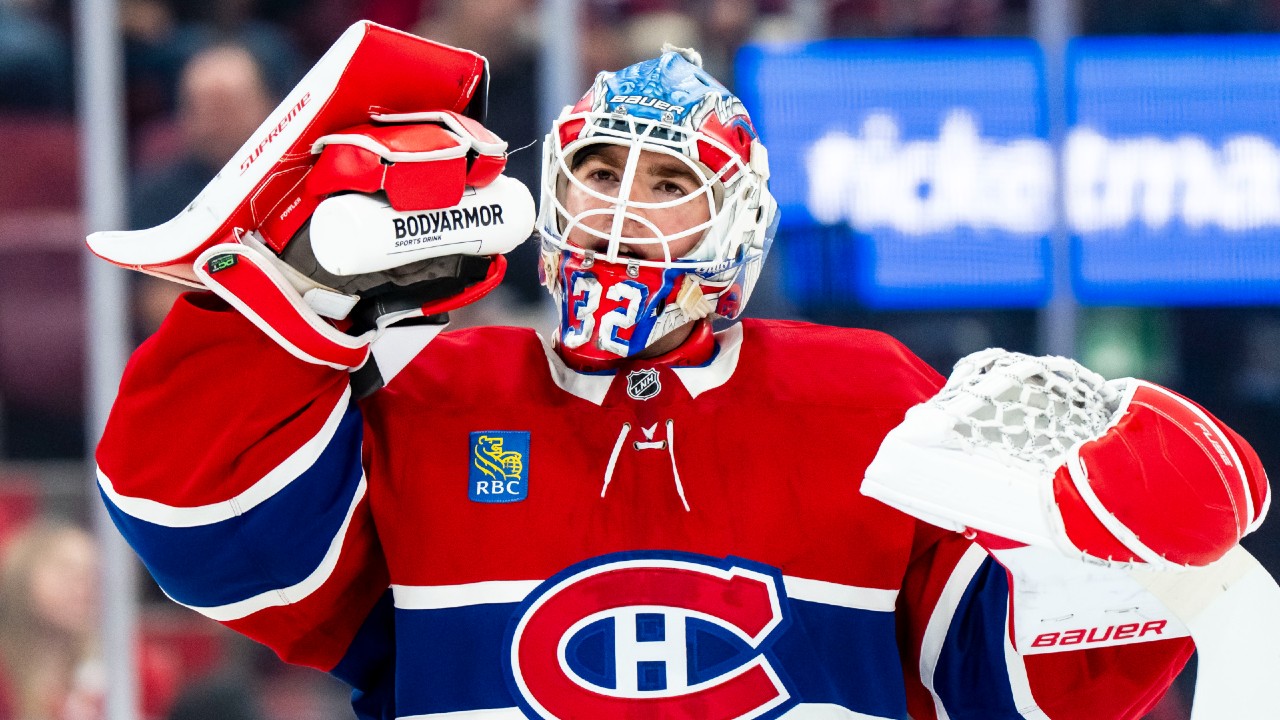
Modern soccer demands more from a goalkeeper than safe hands and clean catches. When we look at the evolution of the position, comparing rising tactical profiles against established legends like Hugo Lloris reveals how the standard of goalkeeping keeps shifting. Evaluating young prospects against the benchmarks set by World Cup winners helps us understand what elite clubs look for between the posts today.
Hugo Lloris defined an era of aggressive shot-stopping and proactive sweeping. His career at OGC Nice, Olympique Lyonnais, Tottenham Hotspur, and Los Angeles FC showcased elite reflexes and lightning-fast decisions outside his area. Rising talents entering professional academies face a different game now, where build-up participation and possession recycling carry equal weight alongside traditional shot-stopping metrics.
The Evolution of the Sweeper-Keeper Role
Sweeping behind a high defensive line used to be a rare tactical luxury. Today, it's a baseline requirement for top-tier teams. Lloris mastered this by combining explosive lateral agility with aggressive rushing out, shutting down counter-attacks before they developed.
Young goalkeepers aiming to reach that tier must combine similar physical bravery with modern distribution metrics. When scouts evaluate prospects, they look at several core indicators:
- Prevented Goals per 90: Measuring shot-stopping efficiency beyond expected goals (xG).
- Pass Completion Rate: Assessing composure under high opposition pressing.
- Cross Claim Success: Evaluating command of the crowded penalty box.
- Defensive Action Range: Measuring how far off the goal line a keeper operates to snuff out through-balls.
Shot-Stopping Mechanics: Reflexes Versus Positioning
Lloris built his reputation on jaw-dropping reaction saves. His lean frame and explosive elasticity allowed him to recover from initial errors or chaotic deflections with remarkable speed. Yet, the modern wave of shot-stoppers often relies on proactive positioning to make difficult saves look routine.
Positioning reduces the need for desperate athletic dives. By cutting down shooting angles early, modern prospects neutralize threats before the striker can pick a corner.
- Reactive Stopping: Relies on raw athleticism, hand-eye coordination, and second-phase recovery.
- Proactive Angles: Relies on spatial awareness, geometric positioning, and body shape management.
For more details on how historical legends shaped modern expectations, review historical profiles on Wikipedia.
Distribution and Build-Up Play
The biggest chasm between past eras and the current wave of goalkeepers lies in possession. Older generations treated the ball as a hot potato, often clearing long under pressure. Modern systems require the goalkeeper to act as an outfield pivot during the first phase of build-up.
Prospects are graded heavily on their weak-foot proficiency and weight of pass. If a goalkeeper can't bypass an aggressive press with a sharp ground pass to a central midfielder, the entire team's tactical structure suffers.
- Short Recycling: Keeping possession under pressure to maintain team shape.
- Line-Breaking Throws: Initiating rapid counter-attacks with accurate distribution over medium distances.
- Direct Launching: Finding target forwards when the opponent commits numbers to an intensive press.
Leadership and Mental Resilience
A goalkeeper's value extends far beyond physical saves. Organizing a backline requires vocal leadership, calming presence, and absolute emotional control. Lloris captained both Tottenham and the French national team through intense high-stakes tournaments, using communication to keep his defenders focused.
Young goalkeepers often struggle with consistency because mental fatigue leads to momentary lapses in concentration. Developing elite mental resilience separates academy standouts who fade away from those who anchor a first team for a decade. To explore broader youth talent trends, check analytical insights from the CIES Football Observatory.
Frequently Asked Questions
What makes a modern sweeper-keeper different from older generations?
Older goalkeepers focused primarily on shot-stopping and catching crosses. Modern keepers participate actively in team possession, act as outfield passing options, and cover massive spaces behind high defensive lines.
How do scouts measure a goalkeeper's true value?
Scouts look beyond clean sheets, focusing on advanced metrics like expected goals prevented per 90 minutes, pass completion under pressure, and the frequency of defensive mistakes leading directly to goals.
Why is distribution now considered a vital goalkeeping skill?
Teams press high up the pitch to win the ball back early. If the goalkeeper cannot pass accurately under pressure, the opponent easily traps the team in their defensive third.
Can traditional shot-stoppers adapt to modern tactical demands?
Yes, but it requires intensive training in footwork, body orientation, and passing range. Goalkeepers who fail to develop comfort on the ball often find their career options limited at the highest level.



