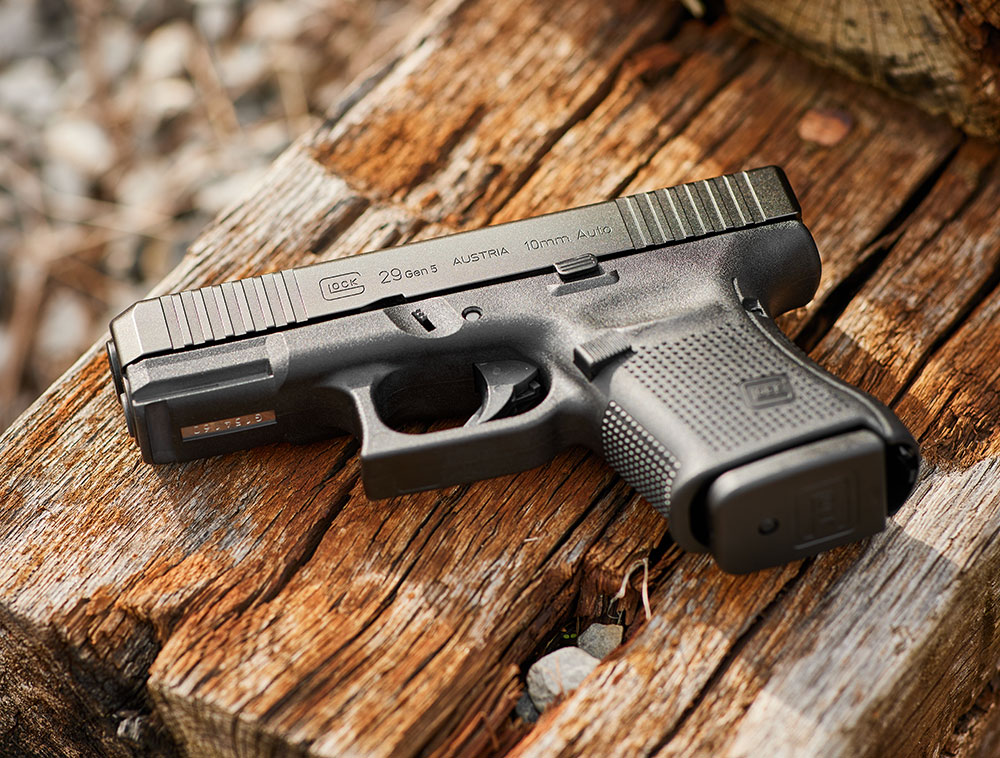
Buying a surplus service pistol offers incredible value if you know what to inspect. A Glock 19 police trade in typically gives you a reliable, duty-proven firearm for a fraction of the cost of a brand-new model. Law enforcement agencies regularly upgrade their inventory, flooding the surplus market with Gen 3, Gen 4, and early Gen 5 pistols. While the exterior often shows honest holster wear, the internal components usually have plenty of life left because most officers shoot infrequently outside of mandatory annual qualifications.
Understanding the nuances of surplus handguns helps you separate a great deal from a worn-out liability. This guide breaks down what to look for, typical condition grades, and how to safely restore or upgrade a surplus pistol.
Why Police Trade In Glocks Hit the Market
Law enforcement agencies operate on structured replacement cycles. Departments typically retire handguns every five to ten years due to budget allocations, warranty expirations, or shifts in department policy regarding optics and calibers.
When a department upgrades, hundreds of handguns head to specialized distributors. These distributors grade the firearms and sell them to retail dealers or directly to consumers. Because agencies buy in bulk, the surplus market receives a massive influx of identical handguns at the exact same time, driving prices down significantly. More information on this are explored by Associated Press.
- Budget cycles: Departments must spend allocated funds before fiscal year deadlines, often resulting in scheduled trade-ins.
- Technology shifts: Many agencies are transitioning to modular optics-ready systems, leaving behind standard iron-sight models.
- Standardization: Merging or expanding local police forces often requires standardizing a single pistol model across all officers.
What to Expect from Condition Grades
Distributors usually grade surplus handguns based on cosmetic appearance rather than mechanical function. Knowing these grades prevents surprises when your FFL dealer hands you the box.
- Grade 1 (Excellent): Minimal holster wear, bright night sights, and clean polymer. These guns often sat in armory lockers as backups and saw very little actual handling.
- Grade 2 (Good): Noticeable holster wear on the slide finish, minor scratches on the polymer frame, and dimmer night sights. Mechanically, these are fully sound and represent the sweet spot for value.
- Grade 3 (Fair/Rough): Heavy exterior wear, significant finish loss, and dirty internals. While these look rough, the steel slide and barrel steel outlast the cosmetic coating. They make exceptional project or range guns.
For official specifications and safety recall checks, consult the Glock Official Website.
Inspecting and Refreshing Your Surplus Pistol
Once your surplus firearm arrives, a thorough inspection ensures safe operation. Even though these handguns are famously durable, certain parts benefit from immediate replacement due to age and storage conditions.
- Perform a safety check: Drop the magazine, lock the slide back, and physically inspect the chamber to ensure the weapon is clear.
- Strip and clean: Remove factory-applied preservative oils and carbon buildup using standard solvent and patches.
- Inspect the barrel: Look down the bore for sharp rifling and freedom from pitting or obstructions.
- Test the springs: Replace the recoil spring assembly, especially if the pistol is more than a decade old, to ensure proper cycling.
- Check night sights: Tritium inserts have a half-life of roughly 12 years. If the sights are dark, plan to install fresh aftermarket iron sights.
For federal firearm transfer guidelines and compliance laws, review the Bureau of Alcohol, Tobacco, Firearms and Explosives.
Common Mistakes to Avoid
Buyers new to the surplus market often make simple missteps that lead to overpaying or buying the wrong configuration.
- Paying collector prices for standard surplus: A standard Gen 3 with heavy slide wear shouldn't cost close to retail price. Expect substantial discounts.
- Ignoring magazine condition: Surplus pistols often come with older magazines that may have weak springs. Test your magazines thoroughly before carrying the firearm for defense.
- Assuming all parts are OEM: Some departments allow officers to install aftermarket triggers or connectors. Check the internal trigger components to ensure factory safety mechanisms remain intact.
Frequently Asked Questions
Do police trade in Glocks have high round counts?
No. Statistically, the average police officer shoots fewer than two hundred rounds per year during mandatory qualifications and training. Most surplus firearms have low round counts hidden beneath heavy exterior cosmetic wear.
Are police trade in pistols legal for civilian ownership?
Yes. Once an agency legally deaccessions and sells surplus inventory to licensed distributors, civilians who pass standard background checks can purchase them through licensed firearms dealers.
Should I replace the trigger on a surplus Glock?
Factory police triggers are intentionally heavy and drop-safe, often featuring modified connector weights. If the trigger feels gritty, a thorough cleaning and lubrication usually resolve the issue, though some owners choose to drop in standard OEM components.
How do I verify my Glock's production year?
You can look up the three-letter serial number prefix on firearm enthusiast databases or contact customer service directly to determine when the weapon was manufactured and shipped.


