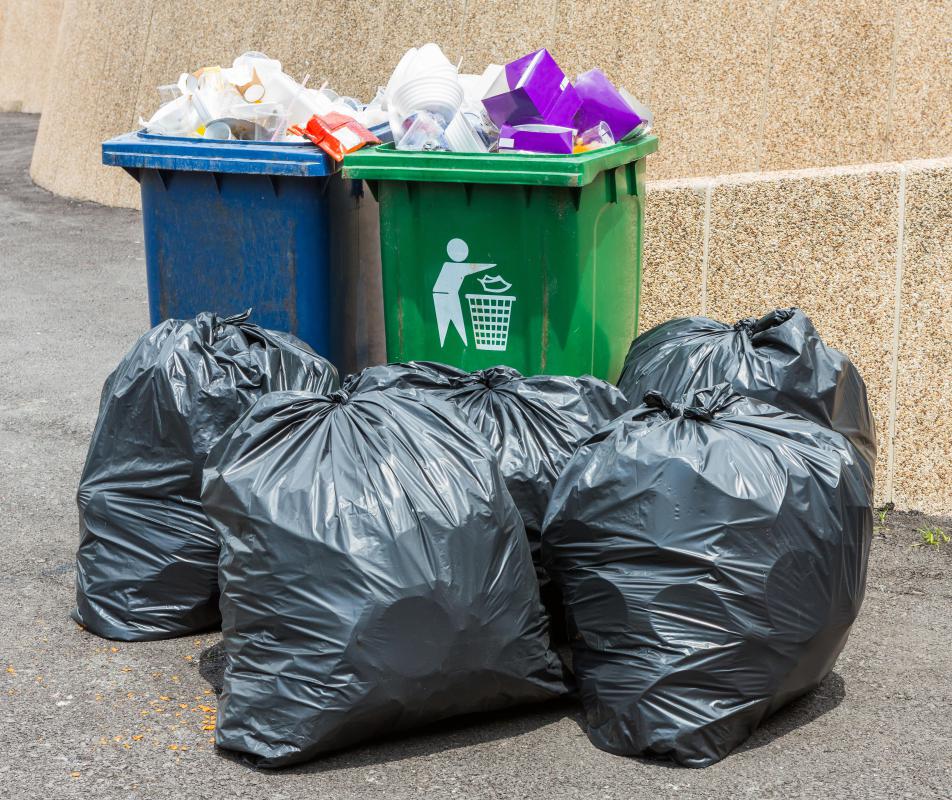
We're drowning in discarded materials, and current municipal systems aren't built to handle the volume. Global waste generation is on track to jump from 2.2 billion tonnes a year to nearly 4 billion tonnes by 2050, turning local refuse collection into an international economic and environmental emergency. Most city programs operate on outdated models that rely heavily on cheap land and volatile overseas recycling markets, leaving urban infrastructure one bad quarter away from collapse.
Understanding the structural flaws of modern waste streams matters because individual consumer habits alone won't fix a broken supply chain. To grasp why our current path is unsustainable, we have to look past the curbside bin and examine how municipal solid waste moves, fails, and occasionally succeeds.
The Anatomy of a Broken Infrastructure
Most people think waste management is just garbage trucks and landfills. In reality, it's a massive, fragile supply chain that runs on subsidized land, undertrained staff, and commodity pricing that shifts overnight. When cities collect mixed recyclables, they rely on material recovery facilities (MRFs) to sort paper, plastics, and metals at high speeds.
The trouble starts when contamination rates climb. If food waste, grease, or non-recyclable plastics cross a 15 percent contamination threshold in a collection truck, the entire bale often becomes unsellable. Sorting facilities reject these compromised batches, sending loads straight to the landfill that citizens assumed were being recycled.
Why Curbside Sorting Fails
Municipalities often choose the cheapest collection method upfront without budgeting for the downstream sorting reality.
- Single-bin collection lowers initial municipal costs per household, but it maximizes contamination.
- Dual-bin systems split trash from recyclables, but they still leave paper products vulnerable to moisture ruin.
- Three-bin systems add organics, yet they require strict public compliance and separate truck fleets that many small cities can't afford.
When cities rush to add composting or specialized recycling streams without stabilizing their basic infrastructure, they spread municipal budgets too thin. The sequence matters immensely. Stabilizing standard recovery operations must come before expanding into complex material streams.
Environmental and Economic Toll
The consequences of mismanaged waste reach far beyond overflowing local dumpsites. Approximately 73 percent of municipal solid waste worldwide ends up in landfills, where organic material breaks down anaerobically to produce methane—a greenhouse gas significantly more potent than carbon dioxide over a short timeline.
In low-income nations, that figure climbs to 90 percent, frequently paired with open burning that releases toxic particulate matter directly into residential air. According to the United Nations Environment Programme, municipal solid management costs globally approach hundreds of billions of dollars annually. Yet, proper recovery and recycling frameworks could capture billions in material value while slashing greenhouse emissions.
Structural Shifts That Actually Work
Fixing the crisis requires moving away from linear "take-make-dispose" models toward circular economic policies. A few key structural interventions are proving effective across different jurisdictions:
- Extended Producer Responsibility (EPR): Shifting the financial burden of end-of-life product management back to the manufacturers forces companies to design packaging that is genuinely recyclable rather than multi-layered and impossible to separate.
- Targeted Automation: Integrating optical sorters driven by near-infrared spectrometry helps facilities identify polymer types rapidly, though human oversight remains essential to catch items machines miss.
- Results-Based Financing: Tying municipal funding directly to verified diversion rates—as tested by international organizations in developing urban centers—ensures that capital investments yield actual operational improvements.
Frequently Asked Questions
Why do municipal recycling programs reject clean-looking plastics?
Not all plastics are chemically identical. Facilities sort by polymer resin codes, and items like black plastic containers or multi-layered food pouches cannot be detected accurately by standard optical sorting equipment, rendering them economically worthless to buyers.
Does composting actually reduce landfill methane emissions?
Yes, but only if the organic waste decomposes aerobically in a managed composting facility. When food scraps get buried deep inside a traditional landfill under layers of dry trash, they lack oxygen, creating the ideal environment for methane production.
What is the single most cost-effective change a city can make?
Enforcing strict contamination penalties at the curbside level. Lowering the contamination rate below strict tolerance limits ensures that sorted bales command higher market prices and avoid costly landfill redirection fees.
How do global trade restrictions affect local recycling?
When major importing nations implement strict purity standards on scrap materials, local cities suddenly lose their primary buyers. If local re-processing markets don't exist, collected recyclables pile up in warehouses before eventually being diverted to local landfills.



