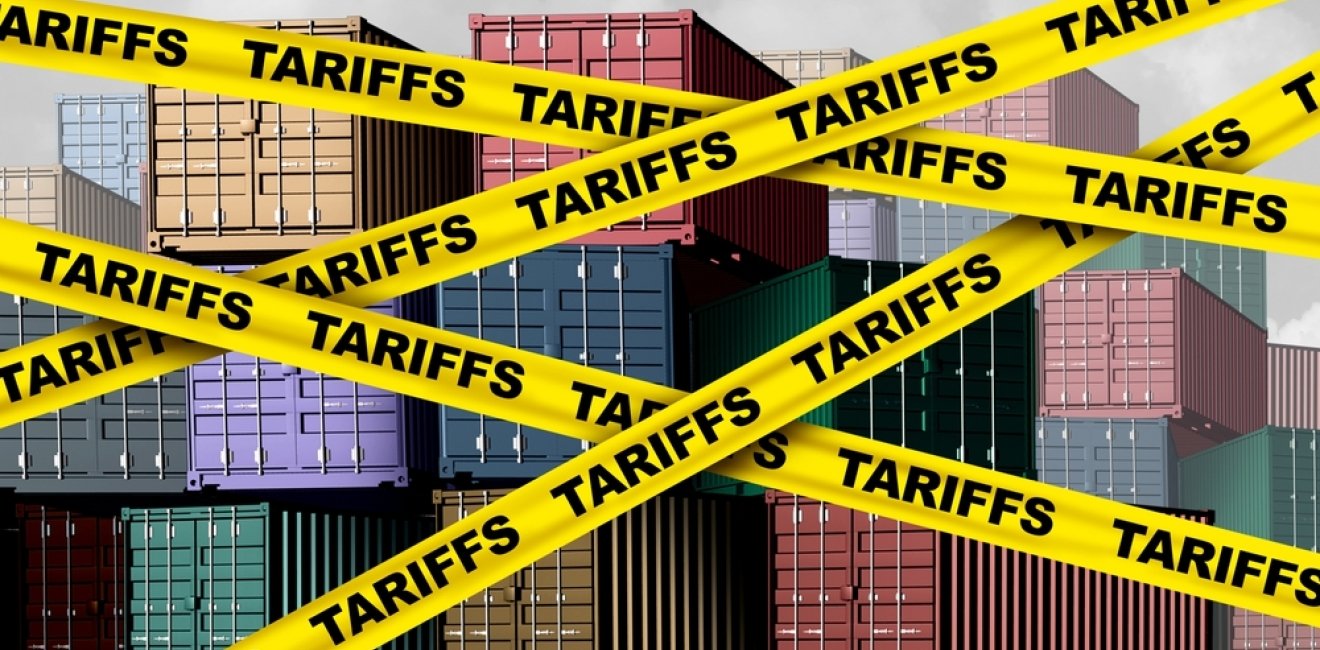
Tariffs function as government-imposed taxes on imported goods, altering market access and reshaping international commerce. When a country levies a tariff, it adds a direct fee to foreign products crossing its borders, raising the purchase price for domestic buyers. Governments often introduce these levies to protect domestic industries from foreign competition, generate public revenue, or exert leverage during diplomatic disputes. Yet, the secondary effects rarely match initial expectations. Supply chains stretch, consumer prices rise, and trading partners respond with counter-measures that complicate the broader economic landscape.
The friction created by these trade barriers ripples through every layer of production. Modern manufacturing relies on intricate cross-border networks where parts cross multiple borders before assembly into a finished item. When a tax hits raw inputs like steel or microchips, production costs escalate across the entire value chain. Businesses face difficult choices: absorb the margin compression, renegotiate supplier terms, or pass the added expense directly to the end consumer. Understanding how these mechanics operate requires looking past political rhetoric and examining the actual structural shifts in global markets.
The Mechanics of Import Duties
At its core, a tariff acts as a market wedge. It artificially drives up the price of foreign goods to make domestic alternatives more attractive. Two primary types dominate trade policy. Ad valorem tariffs charge a percentage of the imported product's value, scaling dynamically as market prices fluctuate. Specific tariffs charge a fixed dollar amount per unit, regardless of the item's underlying market value.
When an importing country collects these fees, the revenue goes directly to the national treasury. However, the domestic importer pays the tariff at customs, not the foreign exporter. Importers typically pass these expenses down the distribution line. Retailers pay more wholesale, consumers face higher retail price tags, and demand for the foreign product contracts.
The immediate result is a shift in market share. Local producers of the taxed item experience less pressure from cheaper foreign rivals. For instance, if a government slaps a 25 percent tax on imported washing machines, local appliance makers gain immediate price breathing room. They can raise their own prices closer to the import threshold without losing customers, boosting short-term domestic revenue.
Why Domestic Protectionism Backfires
While protected industries see temporary gains, the rest of the economy usually pays a heavy penalty. Modern economies don't operate in silos. A tax designed to protect one sector often damages another that relies on cheap imported inputs.
Consider an automotive manufacturer that imports specialized electronic components. If tariffs raise the cost of those components, the automaker's production expenses jump. Higher production costs reduce profit margins, limit hiring, and force vehicle price increases. Consumers buy fewer cars, which reduces demand upstream for steel, rubber, and glass.
Trade data from organizations like the World Trade Organization consistently show that high tariff barriers lead to broader market contraction. When countries raise import hurdles, global trade volumes shrink. Importers lose purchasing power, and export-oriented sectors face retaliatory barriers abroad. A measure intended to protect jobs in one factory frequently destroys jobs in shipping, logistics, and agriculture.
The Reality of Retaliatory Trade Wars
Tariffs rarely exist in a vacuum. When one nation implements steep import duties, affected trading partners rarely accept the loss quietly. They respond with retaliatory tariffs targeting politically sensitive sectors in the originating country.
Historically, this creates a tit-for-tat escalation cycle. In previous trade disputes between major global economies, agricultural exports and manufacturing components faced immediate counter-tariffs. Farmers saw overseas markets vanish within weeks, requiring massive government intervention and subsidies to prevent widespread bankruptcies.
These trade wars disrupt established commercial pathways built over decades. Businesses caught in the crossfire must pivot rapidly. They spend capital relocating manufacturing hubs, diversifying supplier networks, or redesigning products to avoid specific harmonized tariff schedule codes. This restructuring introduces permanent inefficiencies that raise operational expenses long after political disputes cool down.
Supply Chain Adaptation and Strategic Realignment
Businesses can't afford to treat trade policies as temporary noise. Corporate strategists now evaluate geopolitical risk with the same rigor they apply to financial forecasting. When trade rules shift, companies deploy distinct operational adjustments.
- Supply Chain Diversification: Firms move sourcing away from high-tariff jurisdictions toward neutral countries, spreading operational risk across multiple geographic regions.
- Design-to-Value Engineering: Engineers re-evaluate product compositions to swap out heavily taxed raw materials for alternative inputs that fall under different, cheaper customs classifications.
- Nearshoring and Reshoring: Organizations bring manufacturing operations closer to home or back inside domestic borders to eliminate border tax exposure entirely, prioritizing supply chain resilience over lowest-cost labor.
According to economic analyses published by institutions like the International Monetary Fund, these structural adjustments increase baseline operating costs globally. Efficiency takes a backseat to security. Companies maintain larger buffer stocks, accept higher logistics expenses, and pass those permanent overhead costs to the market.
Frequently Asked Questions
Who actually pays for a tariff?
The domestic importer pays the tariff directly to customs authorities when the goods enter the country. While policymakers often claim foreign exporters foot the bill, economic studies show that the cost is almost universally absorbed by domestic importers, wholesale distributors, and retail consumers through higher prices.
How do tariffs cause inflation?
Tariffs act as a direct tax on goods entering a country. Because imported raw materials and finished products become more expensive, businesses raise prices to protect profit margins. This broad increase in the cost of goods trickles through the entire economy, driving up consumer price indices.
Can tariffs completely eliminate trade deficits?
No. Trade deficits reflect macroeconomic balances between national savings and investment, not just bilateral trade rules. When tariffs restrict imports from one country, trade flows simply divert to other nations, or the domestic currency appreciates, making exports more expensive and reducing sales abroad.
What is the difference between a tariff and a quota?
A tariff is a direct financial tax levied on imported goods, generating government revenue while allowing unlimited volume if buyers are willing to pay the fee. A quota sets a strict physical limit on the total volume or quantity of a specific product that can enter the country during a given timeframe.



