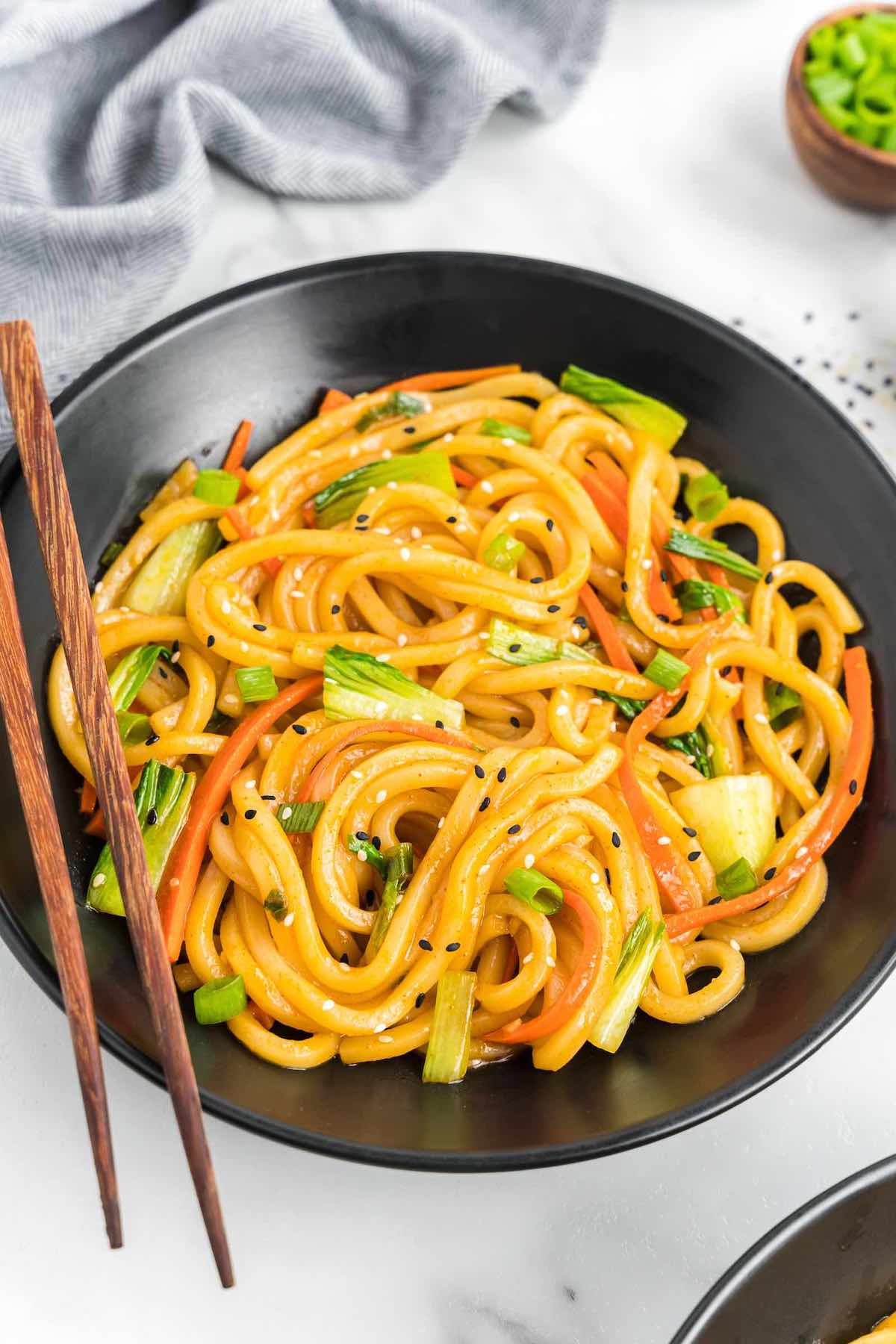
Global noodle culture spans thousands of years, stretching from ancient Chinese dynasties to modern Italian trattorias and bustling Japanese ramen shops. Far from being a simple, quick meal, noodles serve as living historical artifacts shaped by geography, trade routes, and local agriculture. Whether you are twirling long wheat strands in Rome or slurping thick udon broth in Kagawa, understanding the diversity of noodles opens a window into global heritage.
At its core, global noodle culture reflects how different civilizations solved the same culinary challenge: how to turn simple grains into satisfying, durable, and versatile foods. While Western imagination often splits noodles into Italian pasta and Asian noodles, the reality is a complex web of regional innovations. Climate dictated whether communities grew wheat, rice, buckwheat, or mung beans, which in turn dictated the texture, thickness, and cooking methods of their staple dishes.
The Ancient Roots of Noodle Making
Long before industrial kitchens existed, early societies mastered the chemistry of dough. Archaeological evidence from the Lajia site in northwestern China uncovered earthenware bowls containing 4,000-year-old noodles made from foxtail and broomcorn millet. This discovery rewrote culinary timelines, confirming that China was an early pioneer in noodle craftsmanship.
As trade routes expanded, noodle-making techniques traveled across borders. The Silk Road acted as a conduit, carrying wheat flour processing methods westward toward Central Asia, the Middle East, and eventually the Mediterranean. Meanwhile, eastward migrations introduced noodle traditions to the Korean Peninsula and Japan, where local ingredients added distinct local flavors.
- China: The undisputed birthplace of wheat noodles, featuring styles ranging from hand-pulled lamian to knife-cut daoxiao mian.
- Central Asia: Home to laghman, thick hand-stretched noodles served with hearty lamb and vegetable stews.
- Japan: Refined noodle arts including soba (buckwheat), udon (thick wheat), and ramen (Chinese-influenced alkaline wheat noodles).
- Italy: Mastered semolina dough, creating extruded and dried pasta shapes designed to hold robust sauces.
Grain Selection and Regional Geography
The distinct identity of any regional noodle comes down to its primary starch. Geography sets strict boundaries on what crops thrive, forcing cooks to adapt.
In the humid, water-rich river valleys of Southeast Asia, rice reigns supreme. Rice noodles require a delicate touch, as they lack the gluten structure found in wheat. Fresh rice vermicelli, flat pho noodles, and thick cylindrical bun noodles all rely on starch gelatinization rather than gluten networks for their structure.
In contrast, cooler, drier climates in northern China, Central Asia, and Europe favored wheat. Wheat flour contains gluten proteins that provide elasticity and strength, allowing dough to be kneaded, rolled razor-thin, stretched by hand, or pushed through metal dies.
When wheat wouldn't grow due to short, harsh winters—such as in mountainous regions of Japan and Eastern Europe—hardy alternatives stepped in. Buckwheat, capable of growing in poor soil and cold weather, became the foundation for Japanese soba and European kasha-based noodles. According to the Food and Agriculture Organization, traditional pseudo-cereals and ancient grains continue to anchor indigenous diets worldwide.
Rituals and Symbolism in Noodle Traditions
Noodles carry deep symbolic weight across numerous cultures, frequently appearing at milestones like birthdays, weddings, and New Year celebrations.
In China, uncut long noodles represent longevity. Serving them at birthday banquets is a customary wish for a long and prosperous life, and biting through a strand prematurely is considered bad luck. Similarly, in Japan, eating Toshikoshi Soba on New Year's Eve symbolizes crossing over from one year to the next, with the long, easily breakable buckwheat noodles representing a clean break from the previous year's hardships.
In Italy, Sunday family gatherings often revolve around handmade pasta rolling. This labor-intensive process acts as a social anchor, bringing generations together around the kitchen table to mix flour, eggs, and water into dough before shaping it by hand.
Modern Innovations and Global Fusion
Today, global noodle culture is undergoing a rapid evolution. Chefs and home cooks alike experiment with cross-cultural fusions, combining traditional techniques with contemporary dietary preferences.
Gluten-free demands have driven a surge in popularity for ancient alternatives like shirataki noodles (made from the konjac root) and chickpea-based pastas. Meanwhile, artisanal ramen shops in major culinary hubs like New York, London, and Tokyo blur national lines by pairing traditional Japanese alkaline broths with local, sustainable ingredients.
Despite these modern twists, the soul of noodle culture remains tied to craftsmanship and community. Whether hand-cutting sheets of dough in a bustling kitchen or boiling a simple packet of noodles at home, you participate in a continuous, multi-millennia tradition of global comfort food.
Frequently Asked Questions
Which country invented noodles?
Archaeological evidence points to ancient China as the earliest known origin of noodles, with millet-based noodles dating back over 4,000 years. However, independent noodle traditions developed concurrently in various regions, including the Mediterranean and the Middle East.
What is the difference between ramen and lamian?
Lamian is a traditional Chinese hand-pulled wheat noodle technique where dough is repeatedly stretched and folded. Ramen is a Japanese noodle style influenced by Chinese lamian, characterized by the inclusion of kansui (alkaline mineral water), which gives the noodles their signature yellow hue, firmness, and elasticity.
Why do long noodles symbolize longevity?
In East Asian cultures, particularly in China and Japan, the unbroken length of a noodle physically mirrors a long, continuous life path. Cutting or breaking noodles during specific celebrations like birthdays or New Year observances is historically avoided to preserve this blessing.
How do fresh noodles differ from dried pasta?
Fresh noodles typically contain moisture (often utilizing whole eggs or water) and cook in minutes, offering a softer, more delicate texture. Dried pasta relies on semolina wheat and water, undergoing a drying process that extends shelf life and creates a firmer bite when boiled.



