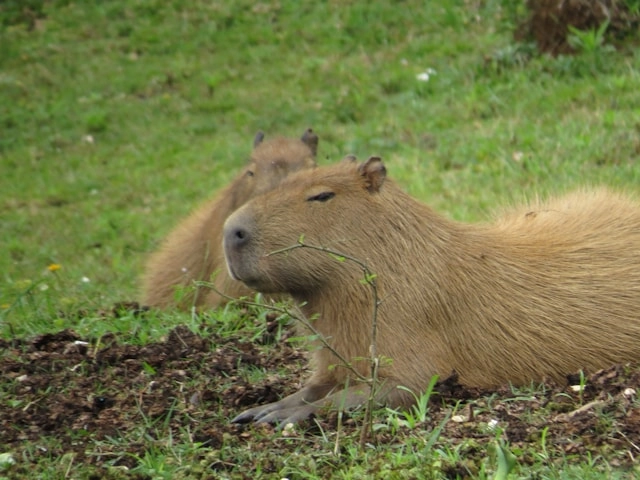
A single red carpet photograph can alter the trajectory of a movie star's public persona forever. For actor Glen Powell, a wide-eyed, toothy grin from a 2016 film premiere transformed into one of the most persistent reaction images on social media. Users on X (formerly Twitter) began pointing out an uncanny structural resemblance between the Hollywood heartthrob and the world's largest rodent, giving birth to the phenomenon known widely as the capybara Glen Powell meme.
Instead of ducking away from the joke, Powell leaned all the way in. By embracing the comparison on late-night television and press tours, he turned a random internet roast into an asset for personal branding. This evolution explains how a bizarre piece of digital folklore cemented his status as a self-aware internet monarch.
The Origin of the Capybara Comparison
The root of the phenomenon dates back to a red carpet appearance for the film Hidden Figures. Powell wore a sharp tuxedo and flashed a distinct, wide smile that featured prominently on his early Wikipedia page. Years later, internet users unearthed the image, isolating his facial expression and matching it with the serene, unflappable visage of a capybara.
One viral post crystallized the comparison permanently, describing him as looking like "a capybara who made a wish to become human". The internet ran with the concept. Social media feeds flooded with reaction templates using the photo to depict awkward social interactions, such as trying to act normal at a grocery store checkout or surviving small talk at a mandatory office party.
Why the Internet Adopted Powell
Celebrity meme culture often relies on tearing stars down or mocking awkward phases. The capybara comparison worked differently because it wasn't genuinely malicious. It tapped into a specific brand of charming absurdity. Powell already occupied a distinct space in Hollywood as an actor who blends classic leading-man charisma with self-deprecating humor.
When users looked at the photo, they didn't see an untouchable icon; they saw a guy whose facial geometry briefly aligned with a notoriously chill swamp rodent. The humor scaled rapidly because the image is endlessly versatile. Platforms like Know Your Meme cataloged how the expression transcended standard celebrity gossip, turning into a universal shorthand for forced politeness.
Turning a Meme Into Marketing Strategy
Most celebrities panic or ignore comparisons that turn them into animals. Powell took the opposite route. During the promotional run for projects like Anyone But You, he addressed the meme head-on during interviews, famously declaring on television that he practically owned the title now.
This strategy yielded major dividends:
- Relatability boost: By laughing at himself, Powell distanced himself from the sterile perfection often associated with movie stars.
- Algorithmic dominance: Fan accounts clipped every time he acknowledged the rodent comparison, creating organic loops of engagement across TikTok and Instagram.
- Fan integration: Viewers felt heard and rewarded when the star of major studio films proved he spent enough time online to recognize his own lookalike.
According to insights discussed on platforms like Variety, modern box office success relies heavily on a star's internet footprint and meme-ability. Powell's willingness to play along transformed passive moviegoers into active participants in his digital brand.
Common Misconceptions About the Viral Trend
As internet lore spreads, details get distorted. Clearing up the timeline helps separate reality from digital myth.
- Did the photo come from a recent movie premiere? No, the source image is from 2016, sitting quietly in archives for years before social media users weaponized it for humor.
- Was Powell upset by the comparison? Never. He actively leaned into the joke during talk show appearances and press events, realizing that resistance only fuels internet trolls.
- Is it an official brand partnership? While fans frequently joke about zoos naming animals after him, the connection remains entirely organic, driven by user-generated content and viral posts.
Frequently Asked Questions
What started the capybara comparison for Glen Powell?
A 2016 red carpet photo where Powell smiled broadly in a tuxedo. Social media users later dug up the image and noted its striking similarity to the calm expression of a capybara.
How did Glen Powell react to the meme?
He embraced it fully. Instead of ignoring the joke, he discussed it openly on late-night shows and press tours, turning the viral comparison into a running joke with his fanbase.
Where is the original photo from?
The photograph was taken at a promotional event for the film Hidden Figures, in which Powell played astronaut John Glenn.
Why do internet memes target actors like Powell?
Actors who project high-energy charisma provide a funny contrast when caught in neutral or overly wide facial expressions, making them prime targets for affectionate internet humor.
--- Fubu Toy review This short video clip captures Glen Powell talking about the internet meme and acknowledging his resemblance to the popular rodent.



