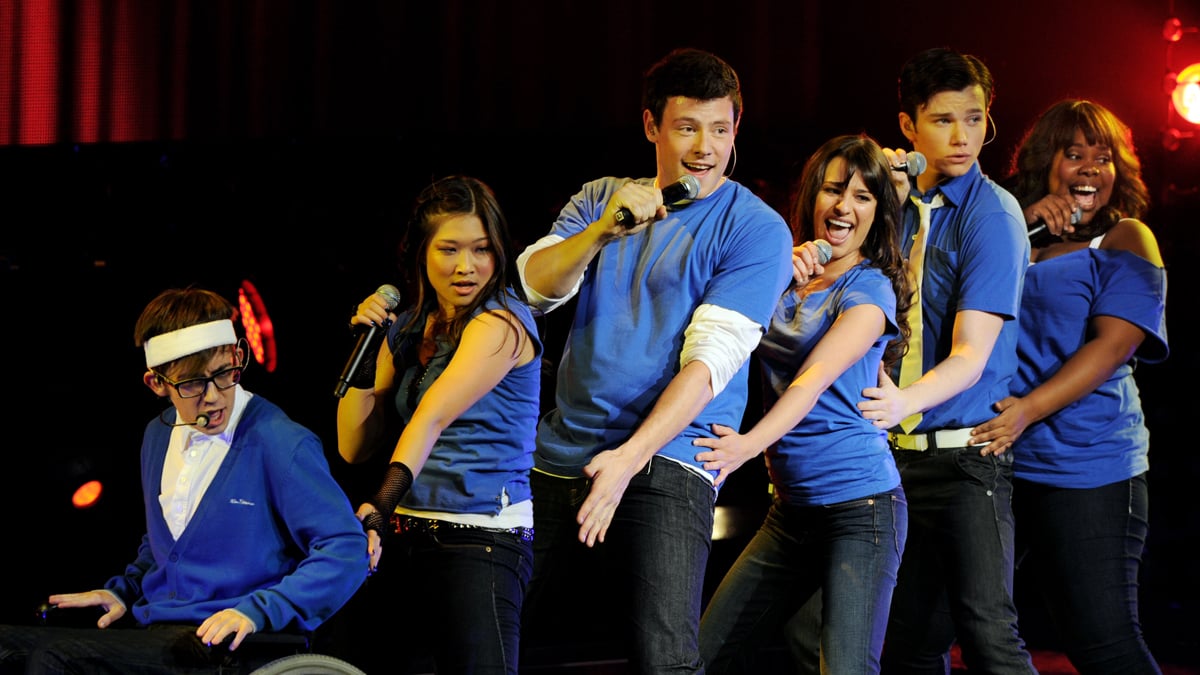
The Fox musical comedy-drama Glee didn't just air on television; it erupted into a multi-media juggernaut before collapsing under the weight of its own chaotic production and tragic behind-the-scenes realities. Created by Ryan Murphy, Brad Falchuk, and Ian Brennan, the show premiered in May 2009 with an underdog premise: a misfit high school glee club fighting for relevance in Lima, Ohio. Within months, it transformed from a risky mid-season replacement into a global cultural phenomenon, dominating charts, defining early social media fandoms, and launching breakout stars. Yet, its trajectory stands as one of the most volatile boom-and-bust cycles in television history.
The rapid ascent of the series was fueled by a potent mix of high-energy cover songs, timely social commentary, and an earnest, theatrical core that resonated deeply with marginalized teenagers. Weekly single releases routinely outsold established pop acts on iTunes, and the ensemble cast—featuring Lea Michele, Amber Riley, Chris Colfer, and Cory Monteith—became instant icons. But structural cracks appeared almost as quickly as the ratings climbed. Writer room friction, sudden character shifts, and the immense pressure placed on young, inexperienced actors strained the production. By the time the series wrapped in 2015 after six seasons, it was a shadow of its former self, marred by off-screen tragedies and narrative burnout.
The Formula of Early Success
The initial momentum of Glee relied on a sharp subversion of teen drama tropes. High school was depicted not as a glamorous playground, but as a hostile environment where expression was penalized. The New Directions club offered a sanctuary. Characters like Kurt Hummel and Mercedes Jones brought real emotional stakes to storylines involving identity, religion, and acceptance.
Music served as the narrative engine. Instead of relying on original tracks, the show reinterpreted pop classics, musical theater standards, and rock anthems week after week. According to Billboard, the Glee Cast notched hundreds of charting singles on the Hot 100, temporarily outpacing even Elvis Presley for the most charted entries by a cast or artist at the time. This commercial strategy created a symbiotic relationship between Fox and the music industry, turning every episode into a two-way marketing event.
Narrative Fatigue and the Graduate Problem
The structural undoing of the series began with its own premise: high schoolers have to graduate. In its third season, the creative team faced a crossroads regarding how to handle characters like Rachel Berry, Finn Hudson, and Kurt Hummel. Splitting the narrative between McKinley High and a newly introduced New York City spinoff diluted the focus.
Instead of cleanly cycling out the original cast to bring in a fresh generation—a model that works for anthology or institutional shows like Skins—the writers attempted to service both groups simultaneously. New characters introduced in seasons four and five often felt like recycled archetypes of the original line-up. Fans grew fatigued as relationships were broken apart simply to manufacture drama, and satirical elements that once felt fresh devolved into cartoonish camp.
Off-Screen Pressures and Tragedy
While narrative stumbles hurt the show's critical standing, real-world tragedies permanently fractured the legacy of the production. The unexpected death of Cory Monteith in 2013 robbed the series of its emotional anchor. The subsequent tribute episode, "The Quarterback," handled a delicate real-life loss within a fictional space, but the show never quite recovered its footing.
Compounding these emotional blows were persistent reports of a fractured work environment. Years after the cameras stopped rolling, several supporting cast members spoke out about toxic set dynamics, intimidation, and systemic power imbalances. These revelations shifted public perception, transforming retrospective nostalgia into a more critical examination of how young talent was managed during the peak years of the franchise.
The Cultural Footprint That Remained
Despite the rocky back-half of its run, the cultural impact of the series is undeniable. It paved the way for modern musical television and normalized LGBTQ+ representation on mainstream network television through groundbreaking character arcs like Kurt Hummel's coming out and relationship evolution. It proved that a television soundtrack could dominate commercial music charts independent of the episodes themselves.
The modern streaming era has treated the project with mixed reverence. While new audiences discover the musical numbers through platforms like Netflix, older viewers often remember the project as a cautionary tale of a creative team stretched too thin by studio demands and overnight fame.
Frequently Asked Questions
Why did Glee end after six seasons?
Ratings declined significantly past the third season as original characters graduated and narrative focus scattered. Fox ultimately reduced the episode orders for the final two seasons and concluded the run in 2015 to wrap up storylines cleanly.
How many Billboard hits did the Glee Cast have?
The cast placed over 200 songs on the Billboard Hot 100 chart during the show's run, setting a historic record for an ensemble television cast before the streaming era fundamentally changed chart metrics.
Did the actors actually sing their own vocals?
Yes. The core cast members recorded their vocal tracks in professional recording studios ahead of filming, and they performed their choreography to those pre-recorded tracks on set.
How did the show handle the death of Cory Monteith?
Following Monteith's passing before the production of the fifth season, the writers reworked the season's trajectory, writing his character Finn Hudson out via an unspecified off-screen death in a dedicated tribute episode.


