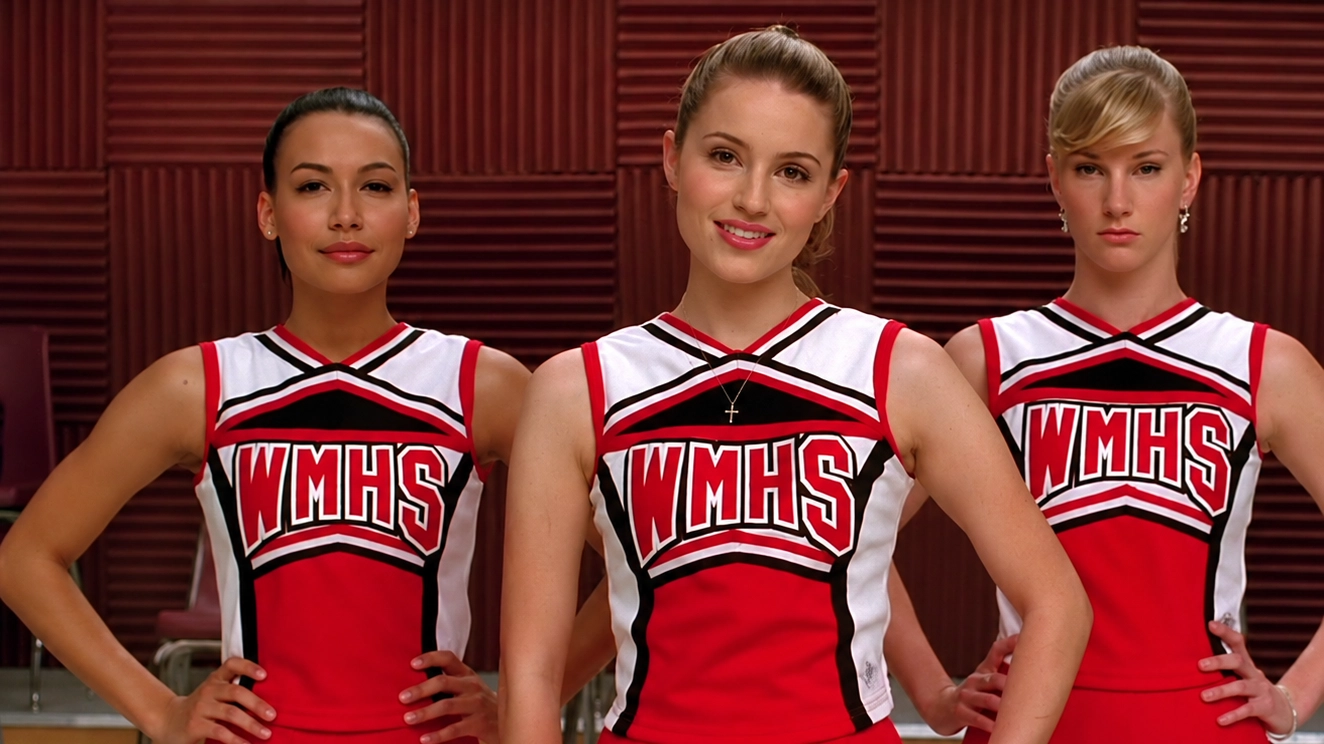
When Glee premiered on Fox in 2009, network executives feared it was too theatrical, too bizarre, and fundamentally unsellable. A musical comedy-drama about high school outsiders singing pop and show tunes shouldn't have captured global attention. Yet, the ensemble cast turned an underdog project into a massive cultural phenomenon. They didn't just sing on television; they changed how music, youth culture, and diverse casting intersected on screen.
The core ensemble bridged the gap between Broadway precision and pop accessibility. Creators Ryan Murphy, Brad Falchuk, and Ian Brennan assembled a mix of seasoned stage performers and unknown actors who brought raw authenticity to McKinley High. This group transformed weekly television into a chart-dominating musical machine, breaking records previously held by Elvis Presley and The Beatles.
Casting the Misfits: Finding the Voices of McKinley High
The brilliance of the show began with its casting process. Rather than relying solely on traditional television actors, the production team hunted for triple-threat performers who could act under pressure, dance intricate choreography, and hit complex vocal harmonies.
Lea Michele brought a veteran Broadway pedigree from Spring Awakening to her role as Rachel Berry, anchoring the show with powerhouse belts. Opposite her, Cory Monteith had submitted an audition tape featuring a makeshift drum kit with pencils, possessing a natural, everyman charm that made Finn Hudson the emotional core of the choir room. Meanwhile, Chris Colfer walked into auditions with zero professional television experience, prompting writers to invent the groundbreaking role of Kurt Hummel specifically for him.
This blend of varied backgrounds shaped the show's musical identity. Amber Riley delivered soul-shattering gospel-rooted vocals as Mercedes Jones, while Kevin McHale brought a pop-boy-band sensibility to Artie Abrams. The casting directors populated the New Directions roster and rival groups with performers who each represented a distinct sonic lane.
The Mechanics of Musical Storytelling
The ensemble's output went far beyond standard cover songs. Under the musical direction of Adam Anders and a dedicated production team, every track served a narrative purpose. Songs weren't filler; they acted as internal monologues.
- Character-Driven Set Pieces: Musical numbers mirrored psychological states. When Rachel Berry sang or when the full club tackled anthems like Journey's "Don't Stop Believin'", the choreography and vocal arrangements reflected the characters' shifting status at school.
- Genre Blending: The cast effortlessly transitioned from classic rock and contemporary pop to musical theater standards, introducing vintage catalogues to a digital-native demographic.
- Ensemble Chemistry: The give-and-take between lead vocalists and background chorus members mirrored real choir dynamics, giving depth to characters who rarely received solo spotlights.
This rigorous integration of music into scriptwriting created a blueprint that modern musical series still attempt to replicate.
Cultural Impact and Chart Dominance
The cultural footprint of the ensemble extended far beyond the television screen. In its initial seasons, the cast logged more Billboard Hot 100 entries than any other musical act in history up to that point, surpassing even The Beatles. Millions of digital singles flooded iTunes weekly, turning the fictional glee club into a real-world commercial powerhouse.
Beyond commercial success, the characters fostered deep representation. Kurt Hummel's coming-out arc, Santana Lopez's exploration of identity, and Unique Adams breaking barriers as a trans vocal performer gave visibility to marginalized teenagers globally. According to historical data archived by Billboard, the group placed over 200 songs on the Hot 100 chart, a testament to the audience's deep emotional connection to the performers.
Behind the Scenes: Challenges and Pressures
Maintaining a high-energy weekly schedule took a heavy toll on the young ensemble. The actors transitioned overnight from relative obscurity to intense global scrutiny, balancing grueling recording studio sessions, dance rehearsals, and promotional tours like the Glee Live! In Concert! tour.
The sudden fame created unique pressures. Navigating overnight stardom while working long hours on a fast-paced network television schedule challenged the entire company. Despite these behind-the-scenes hurdles, the ensemble maintained a sharp, cohesive dynamic on screen that kept viewers invested across 121 episodes.
Legacy in Modern Television
The influence of the ensemble remains visible across contemporary streaming and broadcast landscapes. Shows that rely on musically inclined casts or high-production-value fantasy sequences owe a debt to the risks taken by the Fox network production in 2009.
Many core cast members transitioned successfully to major theatrical stages, earning Tony Awards and starring roles in landmark Broadway revivals. Their journey proved that television audiences would embrace complex musical storytelling if the characters driving it felt genuine.
Frequently Asked Questions
Did the cast actually sing all of the songs themselves?
Yes. The core cast members recorded their vocals in professional studios prior to filming. During filming, actors typically sang live to playback tracks to ensure realistic lip-syncing and physical performance dynamics.
How many songs did the ensemble record during the show's run?
Over its six-season run, the ensemble recorded over 400 studio tracks, covering a massive array of genres from 1950s doo-wop to modern top-40 pop hits.
Were any of the actors professional singers before joining?
Many cast members possessed extensive theater or music backgrounds. For example, Lea Michele and Jenna Ushkowitz performed on Broadway as children, while others like Cory Monteith and Chris Colfer came to the project with raw talent discovered through open casting calls.
How did the cast handle touring while filming the television series?
The production team coordinated complex scheduling blocks, often writing certain characters out of specific episode subplots or utilizing stand-ins and alternate script arrangements to accommodate live concert tours and promotional events.


