Crafting modern epic cinematic soundtracks requires mastering a distinct blend of massive orchestral weight, driving percussion, and raw human emotion. If you want to write tracks that capture the sweeping scale of ancient arena battles and heroic triumphs, you have to look past standard MIDI programming and construct a sonic environment that breathes. This means understanding how low-frequency sub-basses, heavy brass ensembles, and ethereal vocal textures interact under tight production workflows.
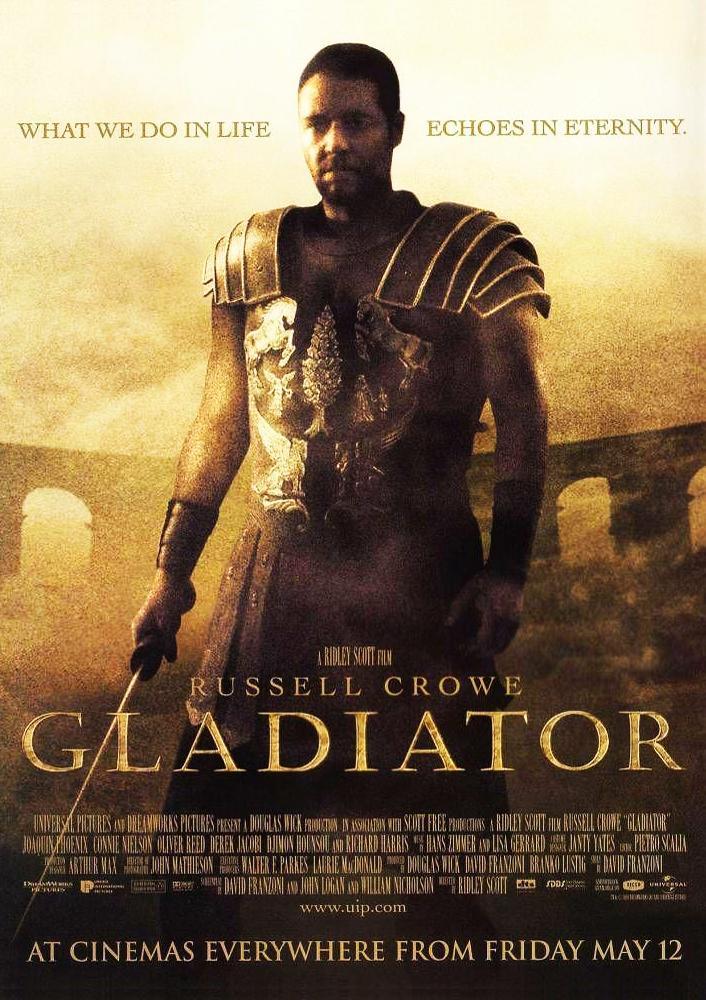
To build tracks matching the grandeur of legendary historical scores like Hans Zimmer's Gladiator soundtrack, you need a structured approach to arrangement, mixing, and dynamic pacing. Whether you're scoring an indie game or producing trailer music, the process breaks down into precise technical phases that separate muddy, amateur orchestral mockups from professional, theater-ready cues.
The Foundation of Epic Soundscapes
Every powerful cinematic cue starts in the low end. Standard orchestral arrangements often fail to sound modern because they lack the physical impact expected by today's audiences. You have to anchor your mix with heavy hybrid elements.
- Sub-Bass Drones: Use low sine or triangle waves underneath your low brass to add physical weight that shakes subwoofer cones.
- War Drums and Taikos: Layer large ensemble taiko drums with tight marching snares to create a rhythm that mimics a surging heartbeat.
- Metallic Clangs: Introduce sharp, distorted anvil hits or industrial percussion on downbeats to simulate the clash of steel and armor.
These foundational elements create a sense of impending tension before a single string melody even enters the arrangement.
Scene Mapping and Structural Workflow
Professional film composers don't just write random melodies; they map music directly to narrative emotional shifts. Before dropping notes into your digital audio workstation, break your scene into structural checkpoints.
- Project Initialization: Establish your stylistic parameters, tempo, and key signature. Epic tracks often live in minor keys like D minor or E minor to maximize dramatic tension.
- Emotional Tagging: Identify narrative pivot points. For instance, a quiet dialogue transition might require minimalist strings, while an incoming charge requires aggressive brass staccatos.
- Dynamic Arc Construction: Plan out your volume and frequency spectrum. Don't start at maximum loudness; leave yourself room to grow so the climax hits with maximum force.
Orchestral Density and Real-Time Arrangement
Balancing virtual instruments without creating a muddy wall of sound is the biggest hurdle for modern producers. When you load up heavy orchestral sample libraries, frequencies stack up fast.
If your low strings, horns, and synths occupy the same frequency range, your mix loses all clarity. Carve out distinct spaces using EQ. Let your horns sit in the mid-mids while your sub-bass handles the floor.
Automation is your best tool for humanizing static MIDI sequences. Don't just draw in flat velocity blocks. Automate expression controls to swell notes organically, mimicking how physical musicians push air through brass instruments or apply bow pressure to gut strings.
Export Optimization and Stems Delivery
Once your composition is locked, preparing your audio for final mixing or video integration requires strict technical standards. Professional mixing engineers expect clean stems rather than a single stereo bounce.
- Split Your Stems: Export separate audio files for brass, strings, percussion, vocals, and sound design elements.
- Loudness Compliance: Keep streaming and cinematic delivery targets in mind, managing your peak and RMS levels to prevent digital clipping during master limiter stages.
- Tail Preservation: Leave a two-second silent tail at the end of your audio stems to capture natural reverb decay and room resonance.
Frequently Asked Questions
What instruments are essential for writing epic cinematic music?
You need a core combination of heavy brass horns, low taiko or ensemble percussion, string sections for rapid staccatos, and hybrid synthesizers or sub-basses to modernize the low end. Ethereal vocal elements or choirs add a sacred, ancient atmosphere.
How do I stop my orchestral mockups from sounding robotic?
Avoid static velocity settings and quantized grid perfection. Manually adjust note start times slightly, draw in dynamic expression curves for volume swells, and use performance-based sample patches that respond naturally to mod-wheel movements.
What is the best key for writing dramatic battle music?
Minor keys are standard for epic and aggressive tracks because they evoke tension, urgency, and melancholy. D minor, E minor, and A minor are frequently used by top-tier film composers.
How many stems should I export for a film cue?
A standard delivery package includes five to eight primary stems: drums/percussion, bass, low brass, high brass, strings, woodwinds, synths, and choir/vocals. This gives the final mixing engineer total control over dialogue balancing in the master film mix.



