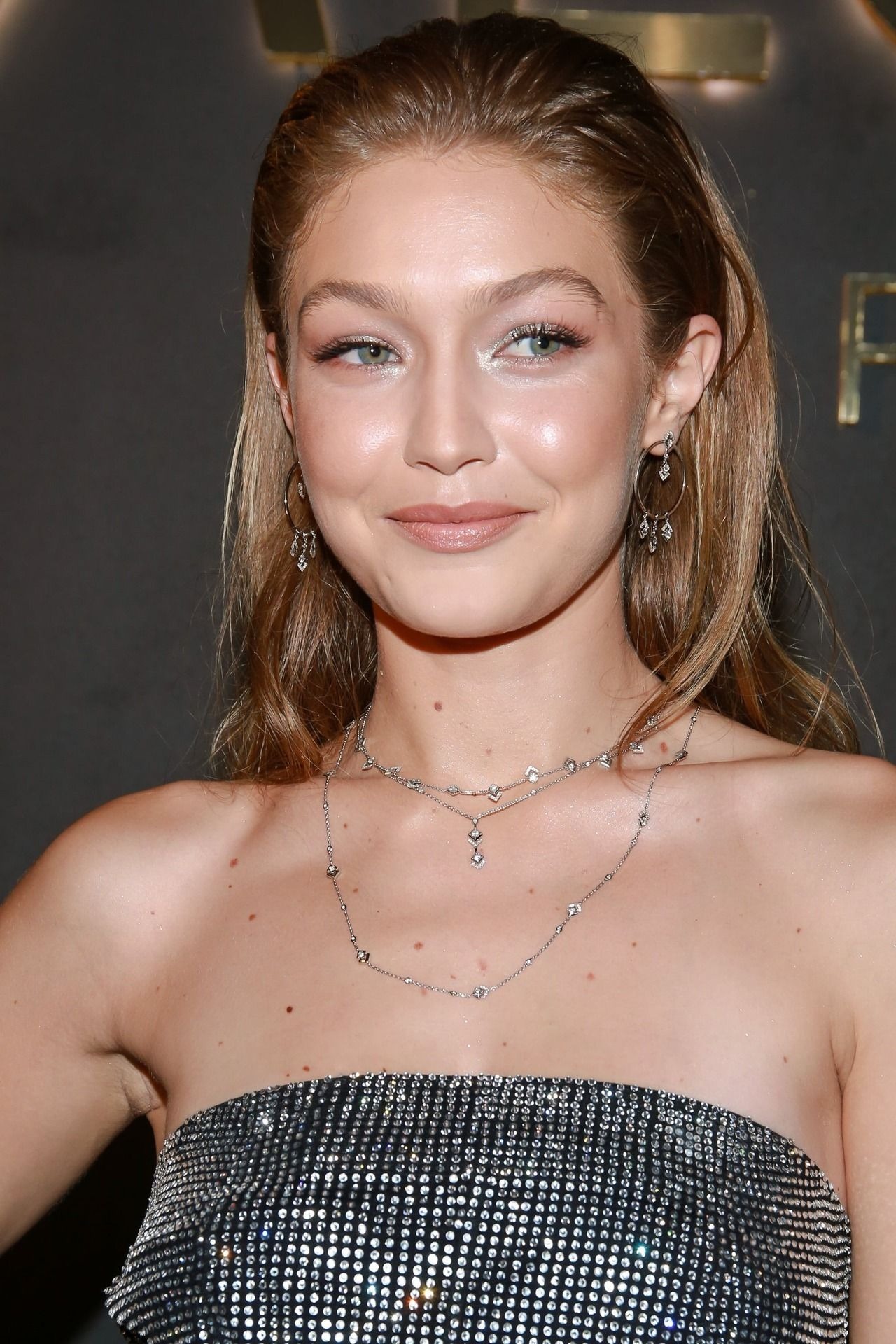
Music history often credits massive stadium acts for shifting cultural tides, but specialized vocalists shape the underlying texture of genres like disco and soul. The trajectory of Gigi Criss highlights how nuanced vocal control, phrasing, and stylistic crossover defined an era of club culture and emotional lyricism. Rather than relying on simple mainstream hits, artists from this lineage built a blueprint for modern R&D and dancefloor acoustics that contemporary producers still study.
Understanding the lasting impact of this vocal style requires looking closely at how studio recording techniques, live band dynamics, and genre hybridization evolved during the peak decades of soulful dance music. From microphone placement to emotional delivery, the craft of disco soul relied on performers who could bridge raw passion with commercial precision.
The Roots of Disco Soul and Vocal Tradition
Disco soul emerged from a blend of rhythm and blues, gospel church traditions, and orchestral arrangements. Singers operating in this space needed unique vocal stamina. They didn't just sing over a beat; they rode complex horn arrangements and driving basslines.
- Gospel Influence: Traditional call-and-response patterns directly informed how background vocals and lead lines interacted in club anthems.
- Microphone Technique: Learning to project dynamic range without distortion in crowded, high-energy rooms changed studio standards.
- Rhythmic Cadence: Aligning sixteenth-note vocal runs with four-on-the-floor percussion required exceptional internal timing.
Performers who mastered these elements created recordings that sounded urgent yet polished. They balanced the gritty emotion of traditional soul with the gleaming production values of mid-seventies and early eighties recording studios.
Studio Craft and the Art of the Extended Mix
During the height of disco soul, the twelve-inch single changed how vocals were arranged and consumed. Producers extended instrumental breaks, giving singers room to improvise vocal hooks and emotional ad-libs near the end of tracks.
This environment rewarded artists who treated their voice as an independent instrument. Instead of sticking strictly to written verses, top vocalists used vocal layering, counter-melodies, and rhythmic breathing to build tension. For example, a standard chorus might be repeated four times, but each iteration featured a different harmonic inflection or rising scale to keep dancers engaged.
Recording sessions during this period relied on live tracking. Singers performed alongside rhythm sections rather than isolated digital grids, capturing an organic give-and-take that felt authentic and warm.
Common Misconceptions About Disco Vocals
Many casual listeners assume disco tracks were entirely synthetic or overly processed by studio effects. In reality, the genre demanded exceptional raw vocal ability because production tools were limited compared to modern digital audio workstations.
- Myth: Auto-tune and pitch correction created the polished sound of vintage soul records.
- Fact: Perfect pitch came from intense vocal training, multiple live take stacking, and natural room acoustics.
- Myth: Disco singers had short careers focused entirely on novelty dance singles.
- Fact: Many possessed deep roots in jazz, blues, and gospel, sustaining long-term careers through studio session work and live touring.
Recognizing these realities shifts the appreciation of the genre from a passing cultural trend to a sophisticated chapter in vocal performance history.
Frequently Asked Questions
What defined the vocal style of disco soul?
It combined the emotional intensity and vocal grit of traditional gospel and R&B with the stamina required to cut through dense, rhythm-heavy instrumentation designed for club sound systems.
How did studio technology impact vocalists in this era?
The transition to multi-track recording and extended twelve-inch vinyl mixes allowed singers to experiment with ad-libs, harmonies, and call-and-response layers that were impossible on standard seven-inch radio edits.
Why do contemporary artists continue to study this era?
Modern pop, house, and R&B production frequently borrows the organic blend of live instrumentation and emotional vocal delivery pioneered during the height of disco soul.
Where can I learn more about the history of disco production?
Archival resources like Billboard offer historical deep dives into chart data, studio methodologies, and interviews with foundational producers and vocalists from the era.



