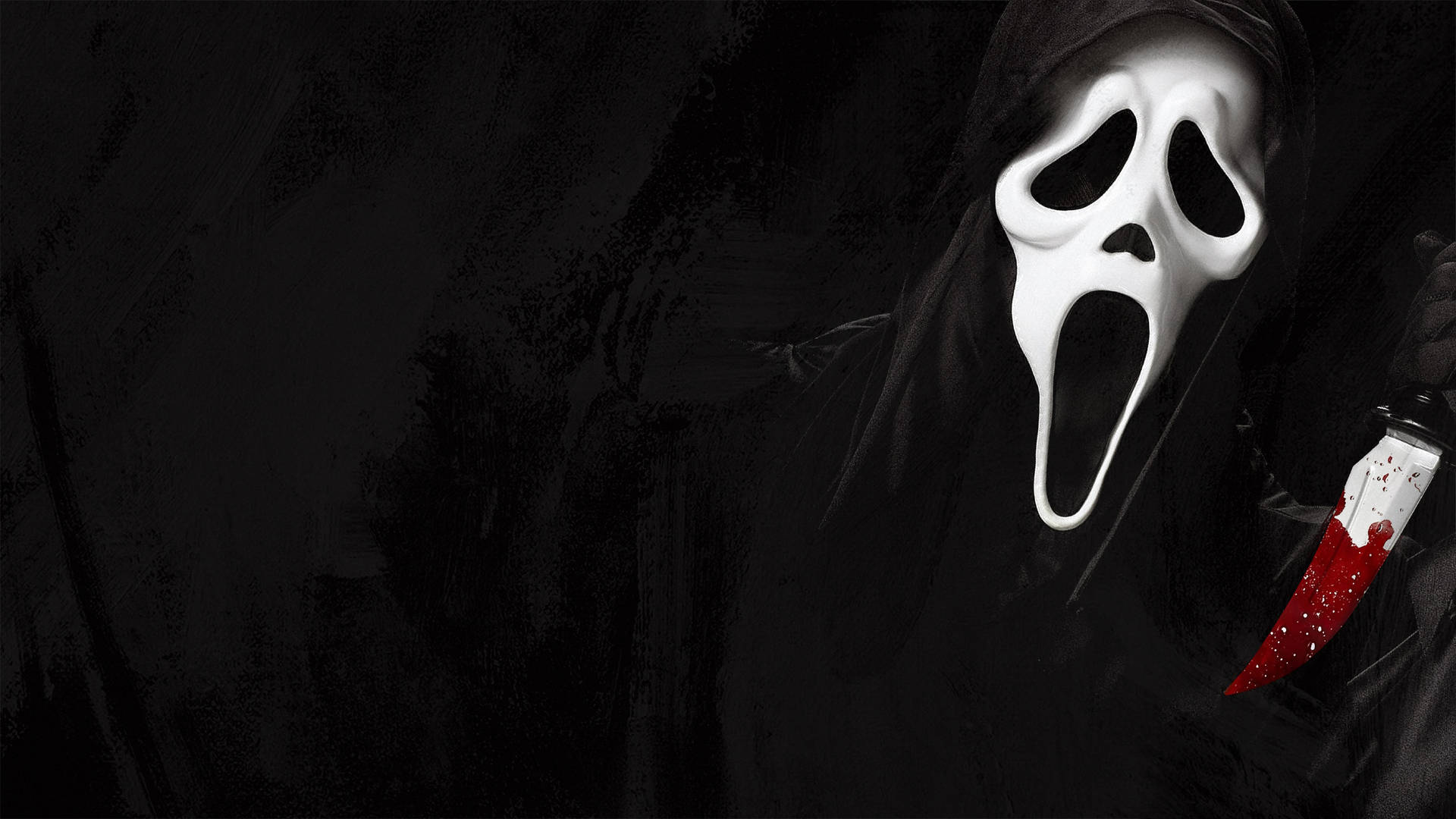
Fictional slashers don't balance checkbooks, but calculating the cultural and monetary weight of horror icons reveals staggering financial footprints. When analyzing Ghostface net worth, you are looking at the economic engine behind a multi-billion-dollar multimedia property rather than a single bank account. While characters like Freddy Krueger or Jason Voorhees represent 1980s physical grit, the man behind the mask in the Scream series operates as a modern corporate asset, generating continuous revenue across global box offices, Paramount Pictures licensing agreements, and seasonal retail surges.
The economic reality of the killer relies on a decentralized identity. Because anyone can wear the costume, the brand avoids the creative fatigue that usually traps traditional slasher franchises. This structural flexibility has allowed the property to amass over $900 million at the global box office across multiple installments, cementing the villain as a permanent fixture in modern entertainment economics.
The Box Office Evolution and Franchise Value
The financial journey began in 1996 when Wes Craven directed the original film on a modest budget, turning a subgenre on its head. That single movie grossed over $170 million worldwide, sparking a cultural phenomenon that transformed a generic Halloween costume into a premier intellectual property. Each subsequent sequel expanded the financial baseline, proving that meta-horror could sustain long-term box office appeal.
Modern entries continue to shatter expectations. When Scream 7 hit theaters, it pulled in massive opening weekend numbers despite production hurdles, proving that audiences still rush to theaters to watch the iconic masked assailant. This consistent box office performance elevates the overall valuation of the franchise, pushing the aggregate economic footprint of the property well past the billion-dollar mark when home video sales and streaming licensing are factored into the equation.
Merchandise and the Licensing Economy
Unlike fixed intellectual properties tied to a single actor's likeness, the visual design of the antagonist belongs to Fun World as a costume, which created a unique licensing ecosystem. This separation means retail products generate distinct, recurring revenue streams separate from ticket sales.
- Costumes and Masks: The iconic expressionistic mask remains one of the best-selling Halloween items globally every single October.
- Collectibles and Figures: Brands like NECA and Funko release continuous waves of vinyl figures, action dolls, and holiday ornaments.
- Experiential Retail: Theatrical chains frequently release limited-edition popcorn buckets and specialized drinkware that sell out instantly online.
This diverse merchandising pipeline ensures that the character pulls in substantial revenue during non-movie years. It transforms a seasonal horror villain into a year-round retail commodity that commands shelf space in mainstream department stores and specialty horror outlets alike.
Cultural Omnipresence Beyond Cinema
The financial weight of the character extends far beyond traditional film metrics. Pop culture saturation acts as free marketing, driving digital streaming numbers and physical media purchases. Memes, parodies, television crossovers, and video game integrations keep the persona active in public consciousness without requiring studio ad spend.
When a brand embeds itself this deeply into digital culture, its baseline asset value rises. Consumers don't just view a movie; they buy into an aesthetic. From streetwear collaborations to viral social media audio clips, the economic footprint grows larger with every generation of horror fans discovering the meta-commentary for the first time.
Frequently Asked Questions
Does Ghostface have an official net worth like a real celebrity?
No, fictional characters do not have personal net worths. When financial analysts look at character value, they measure the total box office gross, merchandise sales, and licensing revenue generated by the films and associated products.
Who owns the rights to the killer's visual appearance?
The mask design, known originally as "The Peanut-Eyed Ghost," is owned by the costume company Fun World. The film production companies license the visual rights from them for each installment in the franchise.
Why is the financial model of this franchise different from other slashers?
Most traditional slashers rely on a single supernatural villain like Michael Myers or Freddy Krueger. Because the identity changes in every movie, the narrative can adapt to modern social commentary, keeping the brand fresh and commercially viable for decades.
How much have the movies grossed in total?
The global box office haul across the entire film series sits well over $900 million, making it one of the most consistently profitable horror properties in cinematic history.



