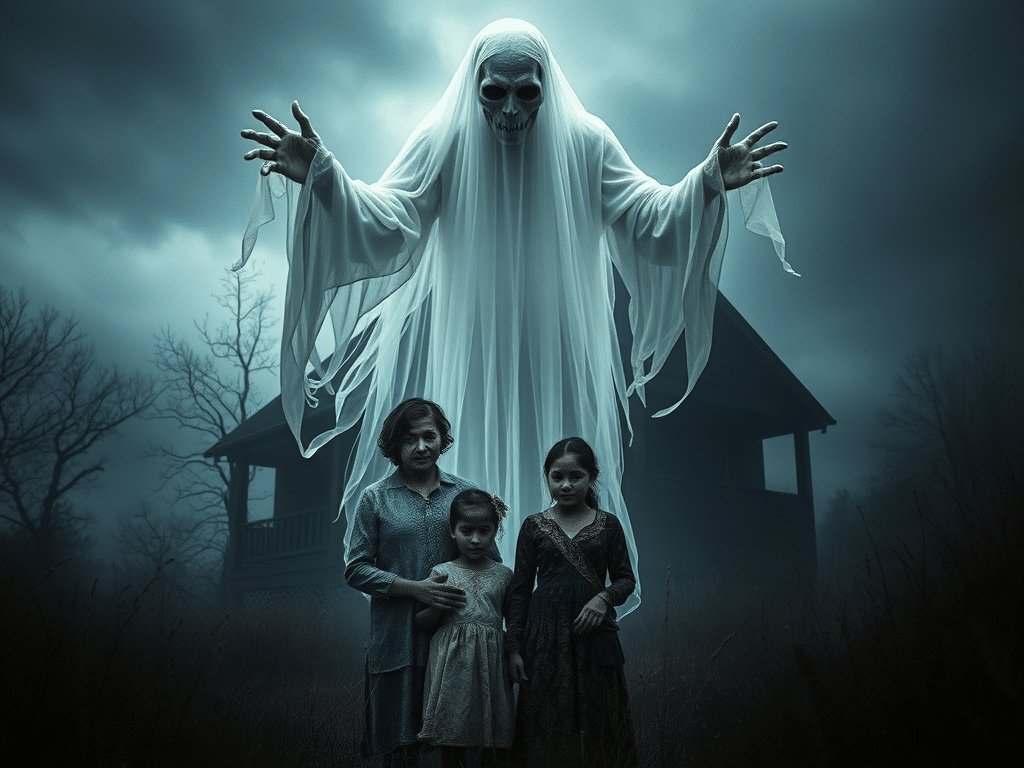
Ghost Rider movies occupy a weird, chaotic corner of comic book cinema history. Long before shared universes dominated every multiplex, Columbia Pictures tried to turn Johnny Blaze into a blockbuster icon. Led by Nicolas Cage’s unhinged, full-throttle commitment, the 2007 original and its 2012 follow-up delivered a brand of supernatural B-movie chaos that studios rarely touch today. While critics roasted both features for clunky dialogue and messy pacing, these films left an unmistakable mark on how Hollywood handles antiheroes.
Love them or mock them, the Ghost Rider films captured a raw, midnight-movie energy that modern sanitized blockbusters miss. They combined heavy metal aesthetics, budget-stretching visual effects, and a lead actor who treated a flaming skull on a motorcycle like high art. Looking back reveals how these polarizing adaptations paved the way for modern dark comic book adaptations while carving out a bizarre, untouchable legacy of their own.
The bumpy road to the screen
Getting Johnny Blaze onto the silver screen took over a decade of false starts, studio shuffling, and script rewrites. Throughout the 1990s, Hollywood cycled through various iterations of the project, with studios like Dimension Films and later Sony's Columbia Pictures attempting to crack the character. Producers wanted a dark, high-concept action picture, but matching the gritty tone of Marvel's comics with a mainstream PG-13 budget proved difficult.
When Mark Steven Johnson signed on to write and direct the 2007 film, he leaned into a stylized, gothic mythology. Nicolas Cage, a lifelong comic book collector who famously had a Ghost Rider tattoo on his back, campaigned hard for the role. Cage didn't just play Johnny Blaze; he infused him with old-school horror tropes, channeling German expressionism and classic monster movies into a mainstream comic book adaptation.
The production leaned heavily on early digital effects to render the flaming skull and the blazing motorcycle. While parts of that CGI now look dated, the sheer ambition of putting a skeleton stunt rider tearing up desert highways on film gave the project a distinct identity. It wasn't trying to be Christopher Nolan's Gotham; it was aiming for a rock-and-roll Faustian myth brought to life on a massive scale.
Box office grit versus critical hostility
When Ghost Rider hit theaters in February 2007, critics tore it apart. Review aggregators like Rotten Tomatoes logged deeply unfavorable scores, pointing out flat supporting characters, heavy exposition, and awkward tone shifts. Yet, audiences turned out in droves. The film capitalized on a lucrative President’s Day weekend slot, pulling in strong global numbers to cross the 220 million dollar mark against its production budget.
- The Audience Factor: Viewers appreciated a comic book movie that didn't take itself too seriously, enjoying the sheer spectacle of Nicolas Cage eating jelly beans out of a skull bowl or listening to carpenter ants.
- The Financial Reality: Because the budget stayed relatively controlled compared to modern multi-hundred-million-dollar tentpoles, the box office return was strong enough to greenlight a continuation.
- The Tone Clash: The central tension of the first movie lay between studio demands for a digestible popcorn flick and Johnson's desire to lean into dark occult themes.
This commercial success proved that audiences wanted darker, edgier comic book figures, even if the execution stumbled. It laid groundwork for studios to realize that superhero cinema didn't always need to follow a bright, squeaky-clean template.
Spirit of vengeance and the radical pivot
Instead of playing it safe with a direct continuation, Sony handed the reins to directors Mark Neveldine and Brian Taylor for the 2012 sequel, Ghost Rider: Spirit of Vengeance. Known for their hyper-kinetic, low-budget action work on the Crank films, the directing duo stripped away the gloss of the first movie and injected raw, chaotic energy into the franchise.
Shot on location in Eastern Europe with a leaner budget, the sequel felt entirely disconnected from its predecessor. The visual design of the Rider changed dramatically: the skull became charred, jagged, and smoking black rather than blinding white, reflecting a more demonic, unhinged entity. Cage's performance scaled up into theatrical heights, featuring frantic eye rolls, physical tics, and terrifying bouts of laughter.
While Spirit of Vengeance grossed less than the original and met a similarly cool critical reception, it represented a fascinating anomaly. It remains one of the few comic book sequels that actively deconstructed and rebuilt its protagonist's visual and narrative language from scratch, favoring practical stunt work and gritty textures over pristine digital world-building.
Why the legacy endures
The cultural footprint of these two movies has aged much better than their initial review scores suggested. In an era where franchise filmmaking often feels homogenized and safe, the Ghost Rider duology stands out for its sheer weirdness. They gave creators room to experiment with tone, blending Southern Gothic folklore with heavy metal iconography.
Furthermore, Nicolas Cage's performance has been reassessed by a new generation of fans who view his uninhibited acting style as legendary rather than campy. The films proved that comic book adaptations could embrace niche horror elements without alienating casual moviegoers entirely. When Marvel eventually brought the character back to television via Agents of S.H.I.E.L.D. with Gabriel Luna playing Robbie Reyes, the door was already open for supernatural elements to enter the broader television and film landscape.
For a deeper dive into how comic book rights shifted over the decades, you can look at industry overviews on SlashFilm. To trace the character's origins in print, visit the Marvel Official Site for historical context on Johnny Blaze and his creators.
Frequently asked questions
Will there ever be a Ghost Rider 3 with Nicolas Cage?
No active plans exist for a third film with Cage. The film rights reverted back to Marvel Studios in 2013 after Sony let them lapse, meaning any future cinematic iterations will fall under Disney's production umbrella rather than independent studio sequels.
Why did the visual design of Ghost Rider change so drastically in the sequel?
Directors Neveldine and Taylor wanted the character to feel less like a traditional superhero and more like an ancient, terrifying demon. They used motion-capture and practical makeup elements to make the skull look scorched by hellfire, setting it apart from the cleaner digital look of the 2007 film.
Are the 2000s Ghost Rider movies part of the Marvel Cinematic Universe?
No. Both films were produced and distributed by Sony Pictures under a separate licensing agreement before Marvel Studios launched its interconnected universe or reacquired the film rights. They exist in their own standalone cinematic continuity.
How did the box office performance shape future R-rated or dark superhero films?
Although both movies maintained PG-13 ratings, their relative commercial viability demonstrated that audiences had an appetite for darker, antihero-driven narratives. This paved a smoother financial pathway for later R-rated properties like Deadpool and Logan to prove that non-traditional protagonists could dominate the box office.



