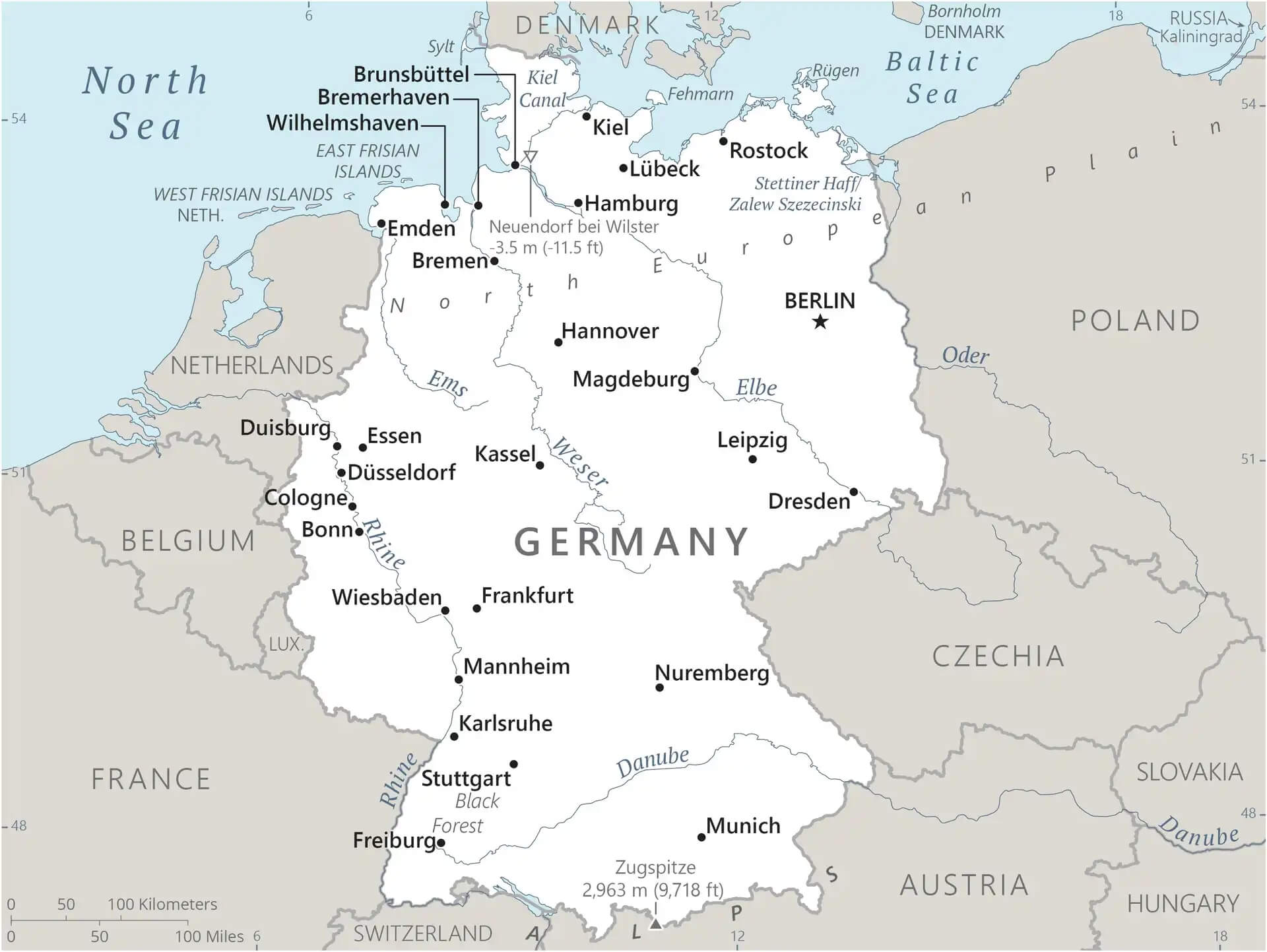
The nineteenth-century voyage from Germany to Argentina was a massive gamble across oceans and pampas. Driven by land hunger, political upheaval, and economic shifts, thousands of families packed their belongings into wooden chests and boarded steamships bound for South America. They weren't just looking for a change of scenery. They wanted fertile soil, religious freedom, and a blank slate to build sustainable futures.
Argentina's government actively rolled out the red carpet for European laborers. Through constitutional guarantees and targeted colonization laws, the young South American republic sought to modernize its vast interior. What followed was a complex saga of displacement, hard labor, adaptation, and eventual prosperity. Let's look at how this historic demographic shift unfolded, why people left, and how they built an enduring cultural footprint.
The Push and Pull Factors of the Migration
Life in nineteenth-century German-speaking lands wasn't always stable. Decades of economic friction, overpopulation in rural districts, and the political fallout of the 1848 revolutions created intense pressure. Farmers found themselves squeezed by land shortages. Artisans saw their trades threatened by early industrialization. Meanwhile, the promise of cheap land across the Atlantic sounded like an escape hatch.
On the other side of the Atlantic, Argentina faced a starkly different problem. Its leadership looked at endless expanses of fertile grassland and saw untapped potential going to waste. Statesmen like Juan Bautista Alberdi famously argued that to govern was to populate. The Argentine Constitution of 1853 intentionally lowered barriers for foreign settlers, offering freedom of worship, property rights, and tax exemptions to newcomers.
Steamship lines accelerated this trend. By the late 1800s, companies running routes out of Hamburg and Bremen reduced Atlantic crossings to a matter of weeks. They advertised heavily in European villages, handing out pamphlets that painted the South American pampas as an agrarian paradise.
Crossing the Atlantic: The Voyage from Hamburg
For an ordinary family in Prussia, the journey started with a long train ride to a port city like Hamburg. Once there, passengers faced strict health inspections and crowded boarding houses. Steamships like those operated by the Hamburg America Line transformed the migration trade into a massive industrial enterprise.
Conditions below deck were often cramped, though nineteenth-century improvements made travel safer than the old sailing ship eras. Passengers spent thirty days or more sharing tight quarters, eating simple rations of salt meat, bread, and potatoes. Seasickness, homesickness, and anxiety about the unknown weighed heavily on travelers.
Upon entering the port of Buenos Aires, immigrants were processed at the Hotel de Inmigrantes, a temporary shelter designed to feed, medicalize, and house arrivals while employment contracts or land grants were sorted out. While many Italians chose to stay in the bustling capital city, many German-speaking groups pushed onward to rural frontiers.
Carving Out New Colonies in the Pampas
Unlike urban migrants, distinct agricultural groups like the Volga Germans—ethnic Germans who had previously lived along Russia's Volga River before facing cultural assimilation pressures—arrived with specific community structures intact. They wanted to stay together, preserve their language, and farm on their own terms.
The Argentine government and private land speculators obliged by carving out tracts of land in provinces like Entre Ríos, Santa Fe, and Buenos Aires. Establishing a settlement required brutal physical endurance. Settlers lived in makeshift sod houses or temporary wooden shacks while breaking virgin sod with heavy plows.
- Clearing and Tilling: Families cleared wild scrub and planted wheat, corn, and alfalfa.
- Cooperative Infrastructure: Communities pooled resources to build flour mills, local schools, and twin-spired churches.
- Establishing Towns: Settlements like Crespo in Entre Ríos and Hinojo in Buenos Aires grew from scattered homesteads into thriving market towns.
For further reading on how migration shifted global demographics, look at documentation preserved via Library of Congress International Collections.
Economic Impact and Cultural Integration
By the turn of the twentieth century, German-Argentines had transformed vast stretches of the interior into productive agricultural powerhouses. They introduced advanced farming techniques, crop rotation methods, and durable construction styles that influenced the local economy. Argentina earned its reputation as one of the world's great breadbaskets partly due to the grit of these farming communities.
Yet integration wasn't uniform. Many German communities maintained distinct cultural enclaves for generations. They spoke Plattdeutsch or standard German at home, printed their own newspapers, and sent their children to dual-language schools. Despite this cultural preservation, younger generations steadily integrated into wider Argentine society, marrying locals and participating in national politics, commerce, and military institutions.
The German Historical Institute offers deep academic insights into how diaspora communities managed identity across vast geographic divides.
Common Misconceptions About the Migration
Popular history often paints mid-to-late nineteenth-century migration through a single lens, which leads to several recurring myths.
- The Myth of Instant Wealth: Pamphlets promised instant riches, but reality involved years of backbreaking debt, crop failures, and isolation.
- The Myth of Uniform Background: German immigrants weren't a monolith. They included urban merchants, engineers, Lutherans, Catholics, Mennonites, and Volga Germans with vastly different cultural backgrounds.
- The Myth of Post-WWII Focus: While mid-twentieth-century arrivals often grab modern media attention, the foundational economic and social networks were laid decades earlier during the nineteenth-century waves.
Frequently Asked Questions
Why did German immigrants choose Argentina over the United States?
While the United States attracted the lion's share of European migrants, Argentina offered unique land acquisition policies, active recruitment campaigns, and economic opportunities in an uncrowded agricultural frontier where land was still cheap.
Where did most nineteenth-century German settlers live?
The primary settlement zones were concentrated in the provinces of Entre Ríos, Santa Fe, Buenos Aires, and parts of Córdoba, where the soil favored large-scale grain farming and cattle ranching.
Did German immigrants lose their native language?
In tight-knit agricultural colonies, the German language survived for multiple generations. However, as public schooling expanded and commercial ties with Buenos Aires grew, Spanish gradually became the primary language for daily life.
How did the Argentine government support these immigrants?
Under the Avellaneda Law of 1876, the state provided temporary housing upon arrival, free transport to interior settlement sites, tools, and subsidized credit to help new arrivals establish self-sustaining farms.



