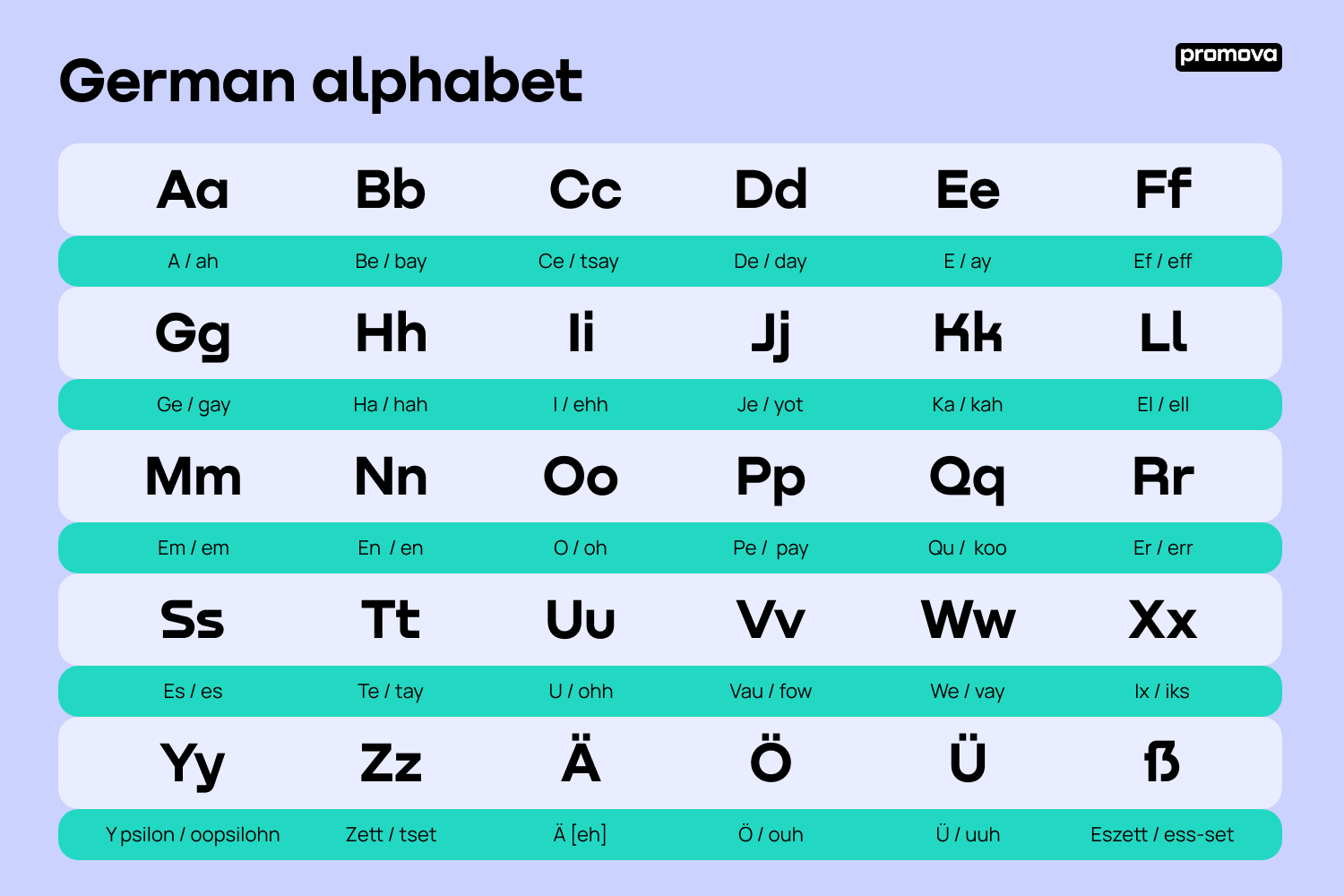
Learning German doesn't have to start with memorizing verb charts or drilling case endings. The natural method bypasses traditional textbook study entirely, prioritizing native-style language acquisition through high-context listening, reading, and intuitive pattern recognition. Instead of treating German as a mathematical puzzle of declensions, this approach mirrors how infants absorb their first language: through meaning first and structure second.
If you've spent months memorizing der, die, das only to freeze when a native speaker talks at normal speed, you're experiencing the limitation of grammar-first instruction. Traditional classrooms teach you about the language instead of teaching you how to use it. The natural method flips this script by immersing you in target-language content from day one, helping your brain map sounds and structures naturally without constant translation in your head.
What is the Natural Method in Language Acquisition?
The natural method is rooted in Stephen Krashen's theory of second language acquisition, specifically the distinction between acquisition and learning. Acquisition is a subconscious process that happens when you're focused on understanding a message, similar to how children pick up speech. Learning is conscious study—memorizing rules and vocabulary lists.
When you apply this to German, your primary objective isn't passing a grammar test. It's consuming content that you mostly understand through context clues, visuals, or prior knowledge. This is known as comprehensible input. Your brain naturally extracts grammar patterns from repeated exposure. When you hear a German speaker say ich habe gesehen dozens of times in context, you don't need a lecture on the conversational past tense to understand that it refers to something completed in the past.
Core Principles That Make Natural Acquisition Work
To make the natural method work for adult learners, you have to shift your daily habits away from flashcard apps and toward active content consumption.
High-Frequency Listening Before Production
Babies listen for months before they utter their first word. Adult learners often try to speak before their brains have built a mental map of German phonetics and rhythm. Natural learning prioritizes hundreds of hours of listening. You start with slow German podcasts designed for learners, such as Slow German or News in Slow German, before graduating to native media.
Contextualized Vocabulary over Rote Lists
Memorizing that verschlimmbessern means "to make something worse while trying to improve it" is far less effective than encountering the word in a satirical news article about municipal bureaucracy. When you see vocabulary used in a real narrative, your episodic memory anchors the meaning far deeper than a digital flashcard ever could.
Tolerating Ambiguity
Traditional learners panic when they don't understand every word in a sentence. The natural method requires you to get comfortable with missing pieces. If you understand eighty percent of a conversation from context, your brain fills in the remaining twenty percent over time. Stopping to look up every single unknown word breaks your flow and turns language practice into a chore.
Traditional Classrooms vs. The Natural Method
| Feature | Traditional Grammar-Translation | The Natural Method |
|---|---|---|
| Primary Focus | Rules, conjugation tables, and translation | Meaning, listening, and contextual comprehension |
| Grammar Study | Explicit instruction first, application second | Implicit absorption, explicit review later if needed |
| Error Handling | Immediate correction by an instructor | Natural self-correction through exposure to correct forms |
| Core Materials | Textbooks, workbooks, vocabulary lists | Podcasts, audiobooks, native TV shows, novels |
Step-by-Step Guide to Implementing the Natural Method
Transitioning from traditional study to an immersion-based routine requires discipline. Follow these practical steps to build an effective daily German environment.
- Build a daily listening habit. Dedicate at least 30 minutes every morning to listening to spoken German while commuting or doing chores. Use materials slightly above your current comprehension level where visual or contextual cues help you follow along.
- Read graded readers and native texts. Start with simplified German short stories or children's books, then move to modern fiction, magazine articles on Der Spiegel, or Reddit threads in r/de. Focus on the narrative flow rather than translating every sentence.
- Incorporate intensive immersion sessions. Watch German series or YouTube creators with German audio and German subtitles—never English subtitles, which hijack your attention and prevent your brain from mapping sounds to meanings.
- Delay active speaking. Don't force yourself into awkward conversational exchanges before your ear is trained. Let your passive vocabulary grow for the first few months so you have an internal library of natural phrases to draw from when you finally start speaking.
Common Pitfalls and How to Avoid Them
Even with a streamlined method, learners often stumble into traps that stall their progress.
- Translating word-for-word in your head: German sentence structure, especially with separable verbs and subordinate clauses (Nebensätze), doesn't map directly to English. Trying to translate piece by piece creates mental fatigue. Train yourself to process chunks of meaning.
- Consuming content that is too difficult: Jumping straight into advanced philosophical essays or fast-paced crime dramas leads to burnout. If you understand less than half of what you're hearing or reading, step back to simpler comprehensible input.
- Obsessing over a native accent too early: Trying to pronounce the tricky German ch or rolling your r sounds before you've internalized the acoustic profile of the language creates unnecessary tension. Pronunciation improves organically once your listening comprehension is sharp.
Frequently Asked Questions
Do I ever need to study grammar with the natural method?
Grammar study isn't forbidden; it's just delayed. Once you have acquired an intuitive feel for how German sounds and flows, looking up formal grammar rules can act as a helpful polish to clarify why certain structures behave the way they do.
How long does it take to become fluent using this method?
Timeline varies based on daily input hours, but learners committing two to three hours daily to active listening and reading typically achieve conversational fluency within 12 to 18 months, significantly faster than traditional part-time classroom learners.
Can I use this method if I am an absolute beginner?
Yes. Absolute beginners should start with absolute-beginner audio courses or visual-heavy comprehensible input channels on YouTube that use gestures and images to anchor meanings without translating into English.
What should I do when I encounter words I don't know?
If an unknown word doesn't block the core meaning of a sentence, let it pass. Look up a word only if it repeats frequently and blocks your understanding of the overarching story or argument.



