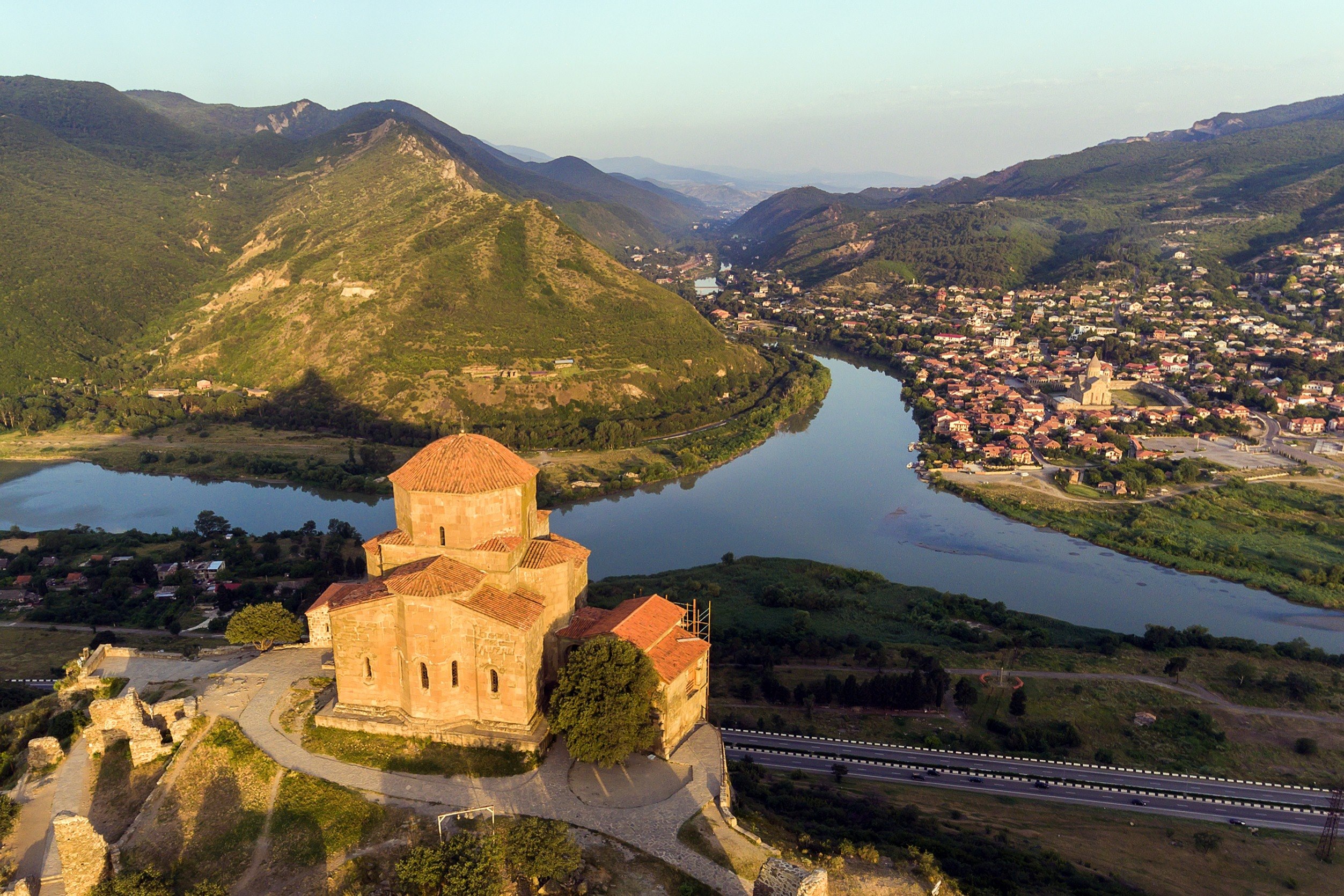
December brings a sharp meteorological split to the country of Georgia, where biting alpine frosts in the Caucasus Mountains contrast sharply with mild, damp conditions along the Black Sea coast. If you're planning a winter trip here, you won't experience a single uniform climate. Instead, your daily weather depends entirely on whether you're exploring the urban streets of Tbilisi, skiing in Gudauri, or walking along the palm-lined seaside boulevard in Batumi.
Understanding these dramatic regional differences keeps your travel plans on track. While lowland valleys experience crisp, cool days that rarely plunge into extreme arctic depths, the high mountain passes transform into heavy-snow winter wonderlands. Knowing what to expect across different zones helps you pack right and avoid weather surprises.
Regional Climate Breakdown in December
Georgia packs multiple distinct climate zones into a relatively small geographic footprint. High mountain ranges block cold continental air from the north while the Black Sea moderates the western coastline.
Tbilisi and Eastern Valleys
The capital city of Tbilisi features a moderately continental winter climate. Daytime highs hover around 8°C (46°F), while nighttime temperatures frequently drop to 0°C (32°F) or slightly below freezing. Snowfall in the city center is relatively sparse and rarely stays on the ground for long, but a crisp urban wind can make the air feel colder than the thermometer suggests. Rainfall remains low to moderate, meaning you'll spend more time enjoying clear, crisp walking days than dodging heavy downpours.
The Greater Caucasus Mountains
Up in the mountain regions like Svaneti, Kazbegi, and the ski hub of Gudauri, December means true winter. Daytime temperatures stay below freezing, averaging -4°C to -6°C (21°F to 25°F), and nighttime lows plummet to -12°C (10°F) or lower. Heavy snowfall blankets the valleys and peaks, opening the ski season and turning mountain roads into technical drives that require snow tires or 4WD vehicles.
The Black Sea Coast
If you head west to Batumi and the Adjara region, the Black Sea creates a humid subtropical microclimate. December daytime temperatures reach a mild 11°C to 13°C (52°F to 55°F), with lows hovering around 5°C (41°F). However, this coastal warmth comes with a catch: high precipitation. Batumi is one of the wettest areas in the country during winter, so expect frequent rainy days rather than pristine blue skies.
Daylight Hours and Sunshine
Winter solstice brings the shortest days of the year, and Georgia is no exception. You can expect roughly 9 hours of daylight, with the sun rising around 8:00 AM and setting near 5:00 PM.
Mountain valleys experience shorter effective daylight because towering peaks block the sun early in the afternoon. Plan your outdoor sightseeing, photography, and mountain transit for late morning through mid-afternoon to maximize your exposure to natural light. Cloud cover is common in western valleys and coastal areas, whereas eastern regions like Kakheti and Tbilisi often enjoy bright, clear winter sunshine between crisp spells.
Packing Smart for Georgian Winters
Packing for a multi-region trip to Georgia requires a modular layering system. Because you might sip wine in a heated Tbilisi café one day and hike through a snowy mountain pass the next, a single heavy winter coat won't cut it.
- Base layers: Pack moisture-wicking thermal tops and bottoms. They trap body heat effectively without adding bulk under your regular clothes.
- Mid layers: Bring fleece pullovers or lightweight wool sweaters that you can easily shed when entering heavily heated indoor spaces, museums, or marshrutkas (minibuses).
- Outerwear: A windproof, water-resistant heavy jacket is essential for Tbilisi and the coast. If you're heading into the Caucasus, upgrade to a dedicated alpine parka rated for sub-zero temperatures.
- Footwear: Sturdy, waterproof boots with deep tread are non-negotiable. City streets can be slick with morning frost, and mountain paths will be packed with snow and ice.
- Accessories: Don't forget wool socks, a warm beanie, touch-screen-friendly gloves, and a durable umbrella for the rainy western lowlands.
For official travel advisories and cultural event updates across the country, check out the Official Georgia Travel Portal.
Common Travel Mistakes to Avoid
Many travelers run into trouble by underestimating how fast mountain weather can shift during December. Here are a few pitfalls to skip:
- Assuming the whole country is warm: Travelers often look at mild coastal photos of Batumi and assume Tbilisi or the mountain roads share that exact climate. Always check forecasts for your specific destination elevation.
- Neglecting transit delays: Heavy snow in mountain passes like the Georgian Military Highway can temporarily close roads connecting to Kazbegi. Always build buffer days into your itinerary if you're traveling deep into the mountains during winter.
- Ignoring indoor heating variations: While modern hotels and restaurants are well-heated, older guesthouses in rural villages might rely on localized wood stoves. Packing thick lounge socks or indoor slippers makes chilly evenings much more comfortable.
Frequently Asked Questions
Does it snow heavily in Tbilisi in December?
Snowfall in Tbilisi is infrequent and light during December. When it does snow, it usually melts within a day. The city experiences cold, crisp air and occasional frost rather than deep snowdrifts.
Are the ski resorts fully open in December?
Yes, major ski resorts like Gudauri and Bakuriani typically open their slopes by mid-December, depending on natural snowfall. Early-season skiing is usually reliable at higher elevations, though resort operators supplement natural powder with snow-making machines when necessary.
How do I get around Georgia if winter weather hits the mountain roads?
Main highways are cleared regularly by road maintenance crews, but high mountain passes can experience temporary closures during heavy storms. For remote regions like Svaneti or Khevsureti, local transit shifts to experienced drivers with 4WD vehicles equipped with proper winter tires. Always check road status updates with your accommodation provider before setting off.
Is December a good time for wine tasting in Kakheti?
December is a quiet, atmospheric time to visit the Kakheti wine region. While vineyards are dormant and bare, wine cellars are warm, and winemakers have more time to host intimate tastings and explain traditional qvevri winemaking methods without summer crowds.


