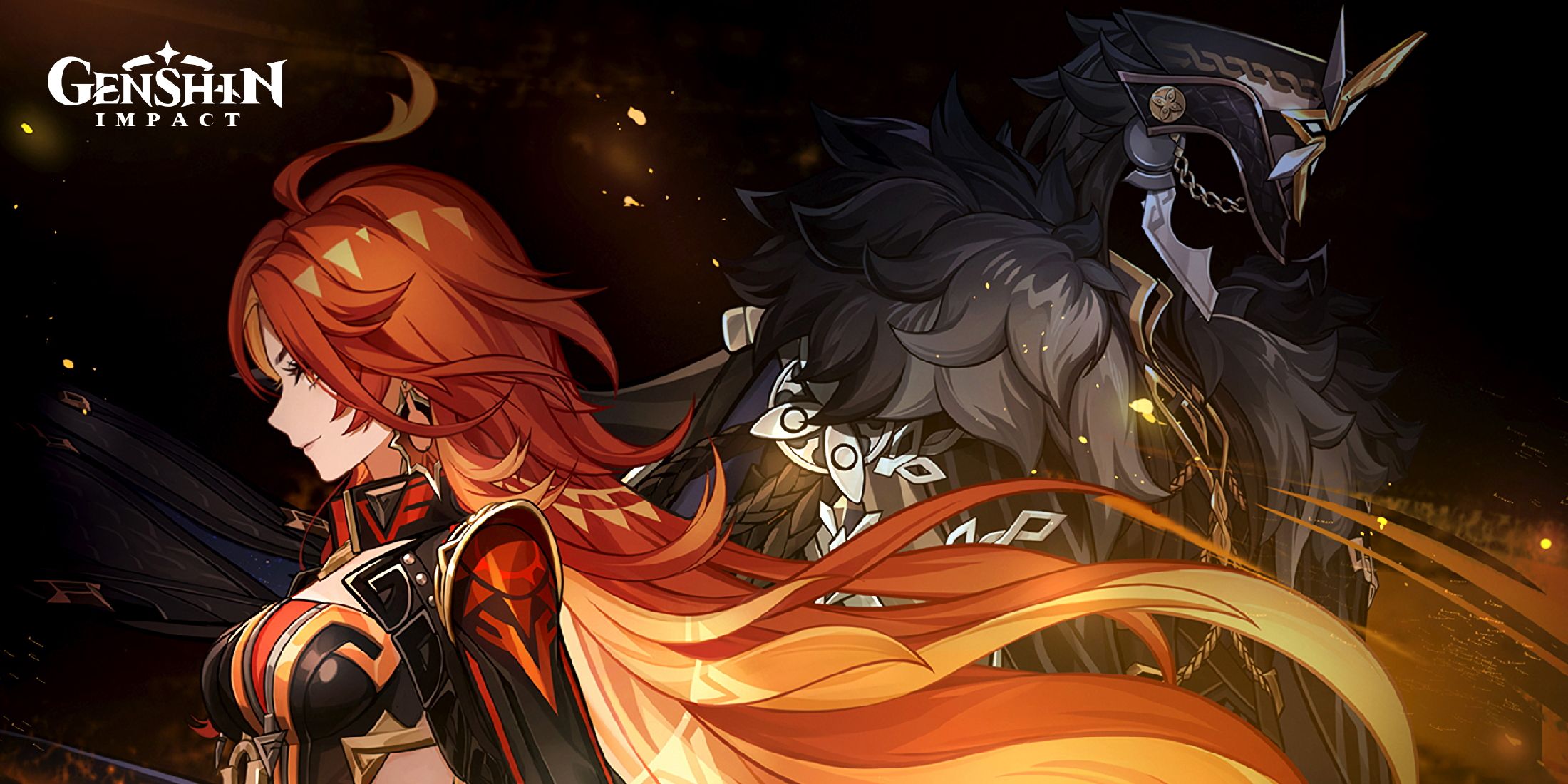
Genshin Impact manages a massive roster of playable heroes, balancing diverse body types, complex backstories, and distinct combat mechanics. Among them, the male cast occupies a unique space in player reception, shifting from early archetypes in Mondstadt and Liyue to more experimental designs in Sumeru, Fontaine, and Natlan. Examining how HoYoverse builds these figures reveals clear patterns in silhouette variety, emotional arcs, and community engagement.
Understanding this roster requires looking past simple power scaling or meta definitions. Developers construct each hero around regional themes, marrying historical and cultural inspirations with high-fantasy elements. Players interact with these figures not just as damage dealers in the Spiral Abyss, but as narrative anchors who drive the political and magical conflicts of Teyvat.
Evolution of Character Silhouettes and Aesthetics
Early versions of the game relied heavily on standardized base models, primarily splitting male characters between adolescent templates like Venti and tall templates like Diluc. This framework created initial constraints in visual variety. Fans frequently noted that muscular figures like Arataki Itto received standard slender arms in-game despite official splash art suggesting otherwise.
As the game expanded into Sumeru and Fontaine, design philosophies shifted toward more intricate clothing layers and distinct facial structures.
- Alhaitham introduced a sharper, utilitarian aesthetic reflecting his role as a pragmatic scribe.
- Wriothesley brought a heavier, brawler-inspired silhouette to Fontaine's subterranean prison.
- Neuvillette utilized flowing judicial robes that emphasize verticality and solemn authority.
These adjustments help differentiate heroes who might otherwise share height classifications. Developers rely heavily on asymmetrical capes, hanging accessories, and distinct hair physics to ensure characters stand out from behind the camera angle during active combat.
Narrative Integration and Personal Arcs
Male characters in Teyvat frequently carry heavy burdens related to duty, loss, or existential rebellion. Unlike characters who exist purely as supporting entities, many male figures anchor major Archon Quests.
Consider Wanderer, whose redemption arc spans multiple nations. His narrative explores trauma, identity erasure, and the choice to forge a new path free from divine control. Similarly, Xiao embodies centuries of karmic debt, offering a stark look at the psychological toll of protecting Liyue from ancient evils. These storylines move away from simple heroic archetypes, giving characters deep flaws that resonate with the player base.
Regional governance also shapes personal motivations. Characters tied to ruling bodies—such as Albedo in Mondstadt or Kamisato Ayato in Inazuma—navigate political tension behind closed doors. Their writing often explores the compromise required to maintain stability in a world overseen by restless gods.
Player Reception and Community Dynamics
The community reception around male characters often splits into distinct sub-fandoms focusing on lore, optimization, or visual design. Characters with high utility and engaging personalities frequently dominate social media discussions during their banner releases.
Fan engagement typically peaks during limited-time flagship events where multiple heroes interact outside the main questline. Players often praise these events for highlighting dynamics between characters from different nations, such as Albedo and Cyno bonding over trading card games. These lighthearted interactions prevent the cast from feeling one-dimensional.
At the same time, community debates surface regularly regarding banner frequency and marketing focus. A segment of the player base advocates for broader experimental body types and more frequent additions to the male roster, pointing out periods where female character releases dominate update cycles.
For official updates on upcoming patches and character announcements, check the HoYoverse Official Website.
Common Design Pitfalls and Misconceptions
Evaluating character design requires looking past surface-level complaints. Common assumptions often miss how technical constraints shape final implementation.
- The Model Restriction Myth: Some players assume developers refuse to create truly bulky models, but rigging limitations for movement animations and climbing mechanics heavily influence why standard tall models remain the baseline.
- Overlooking Utility: Critics sometimes dismiss certain support units on release, only for meta shifts to make them essential staples later.
- Lore Disconnect: Assuming a character's kit has no connection to their personality ignores subtle visual cues, such as elemental bursts mirroring historical or mythological references tied to their region.
Frequently Asked Questions
Why do most male characters share similar height models?
Developers use standardized body rigs to ensure equipment, climbing animations, and combat mechanics function smoothly across all playable fighters without clipping errors.
Are male characters viable for end-game content?
Yes, multiple male characters function as top-tier damage dealers or essential support units capable of clearing high-difficulty content like the Spiral Abyss.
How do regional inspirations affect character design?
Each nation in Teyvat draws from real-world cultures, influencing clothing styles, weapon choices, and philosophical themes embedded in a character's backstory.
Where can I check official character lore and background details?
You can explore detailed character profiles and regional summaries on the Genshin Impact Wiki on Fandom.



