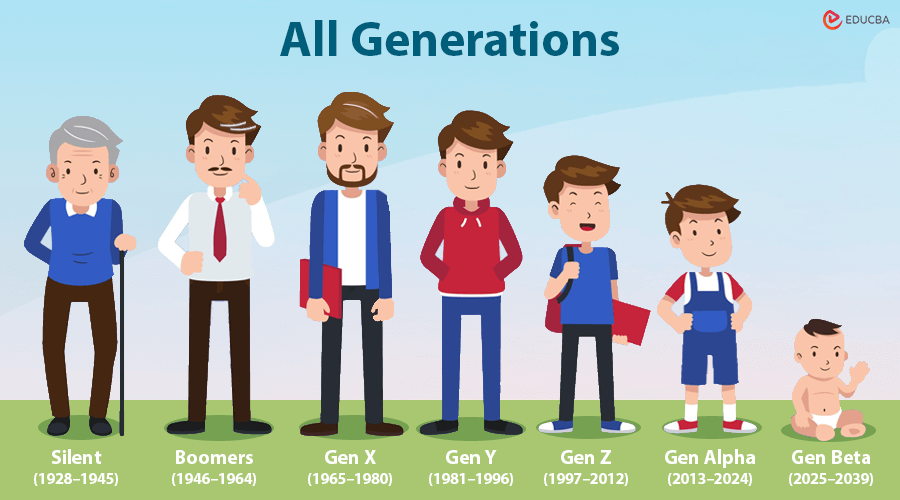
Language shifts faster than ever across digital platforms, leaving older generations scrambling to interpret text messages and social media comments. Internet shorthand evolves constantly, turning simple abbreviations into complex markers of digital identity. When a term like swrs pops up in comment sections or group chats, figuring out what it means takes a bit of context and linguistic detective work.
At its core, swrs usually functions as a pluralized or stylized shorthand variant of the word "swears" or an emphatic confirmation akin to "swr" (short for swear). It serves as an emphatic validation in modern texting culture, used to back up a friend's claim, prove credibility, or stress that a statement is completely true. Understanding how Millennials and Gen Z use these abbreviations requires looking closely at text habits, platform dynamics, and the psychological need for speed in digital communication.
The Mechanics of Modern Text Shorthand
Digital communication prioritizes speed and emotional tone over traditional grammar rules. Both Millennials and Gen Z have spent formative years typing on mobile keyboards, which naturally breeds heavy abbreviation.
Instead of typing out full sentences, users lean into shorthand that conveys immediate reactions. Words get clipped, vowels get dropped, and plurals get tacked on for rhythm. This style of texting isn't random; it follows specific structural patterns.
- Vowel omission: Dropping middle vowels keeps typing fast while retaining readability (e.g., swrs for swears).
- Phonetic spelling: Writing words how they sound in casual speech rather than dictionary standards.
- Intensifier stacking: Adding letters or plural markers to emphasize a point.
Why Generations Adopt Secret Languages
Slang and shorthand act as social glue. They create an in-group dynamic where those who know the terms feel connected, while outsiders feel out of the loop. This linguistic evolution isn't new, but the internet accelerates how fast terms spread and fade.
Millennials brought us terms like adulting, FOMO, and fleek, leaning heavily on acronyms and portmanteaus. Gen Z takes it further by blending ironic detachment with hyper-expressive internet subcultures born on platforms like TikTok and Discord. When abbreviations like swrs circulate, they bridge casual verbal speech with rapid-fire digital typing.
According to Pew Research Center, digital habits shape how different age groups form community bonds online, with younger cohorts heavily utilizing platform-specific jargon to signal belonging.
Context Clues: How to Read Unknown Slang
Encountering an unfamiliar acronym or shorthand term doesn't require a permanent panic. Decoding modern text slang relies heavily on context clues within the surrounding sentence structure.
[Sender]: "We actually met the artist after the show last night."
[Receiver]: "swrs??"
[Sender]: "No cap, have the photos to prove it."
In this typical exchange, swrs operates as a quick demand for proof or an expression of shock, mirroring phrases like "for real?" or "swear?" Recognizing whether a term acts as a noun, verb, or interjection helps clarify its meaning instantly.
Common Pitfalls in Slang Interpretation
Misinterpreting internet slang often leads to awkward conversational moments. Adults and brands frequently stumble when attempting to use youth vernacular.
- Over-correcting: Using outdated slang that teenagers abandoned months prior.
- Literal translation: Ignoring the emotional subtext and treating sarcastic shorthand as a serious statement.
- Forced integration: Dropping slang into formal contexts where it completely clashes with the tone.
Authenticity matters immensely in digital spaces. Using a term like swrs naturally requires understanding its casual weight; forcing it into professional or stiff environments strips away its conversational utility.
Frequently Asked Questions
Is swrs used exclusively by Gen Z?
While Gen Z dominates current short-form video platforms where slang spreads rapidly, Millennials frequently adopt overlapping text abbreviations due to shared digital spaces.
How does swrs differ from standard texting abbreviations?
Unlike legacy acronyms like lol or brb, terms like swrs evolve organically from phonetic speech patterns and regional text subcultures rather than standardized chat room history.
Can slang terms change meaning over time?
Internet definitions shift rapidly. A shorthand term used for emphasis in one community can pivot to express irony or sarcasm in another within a matter of weeks.
Where do new text abbreviations usually originate?
Most terms start in niche gaming communities, live-streaming chat rooms, or closed group chats before bleeding into mainstream public feeds.



