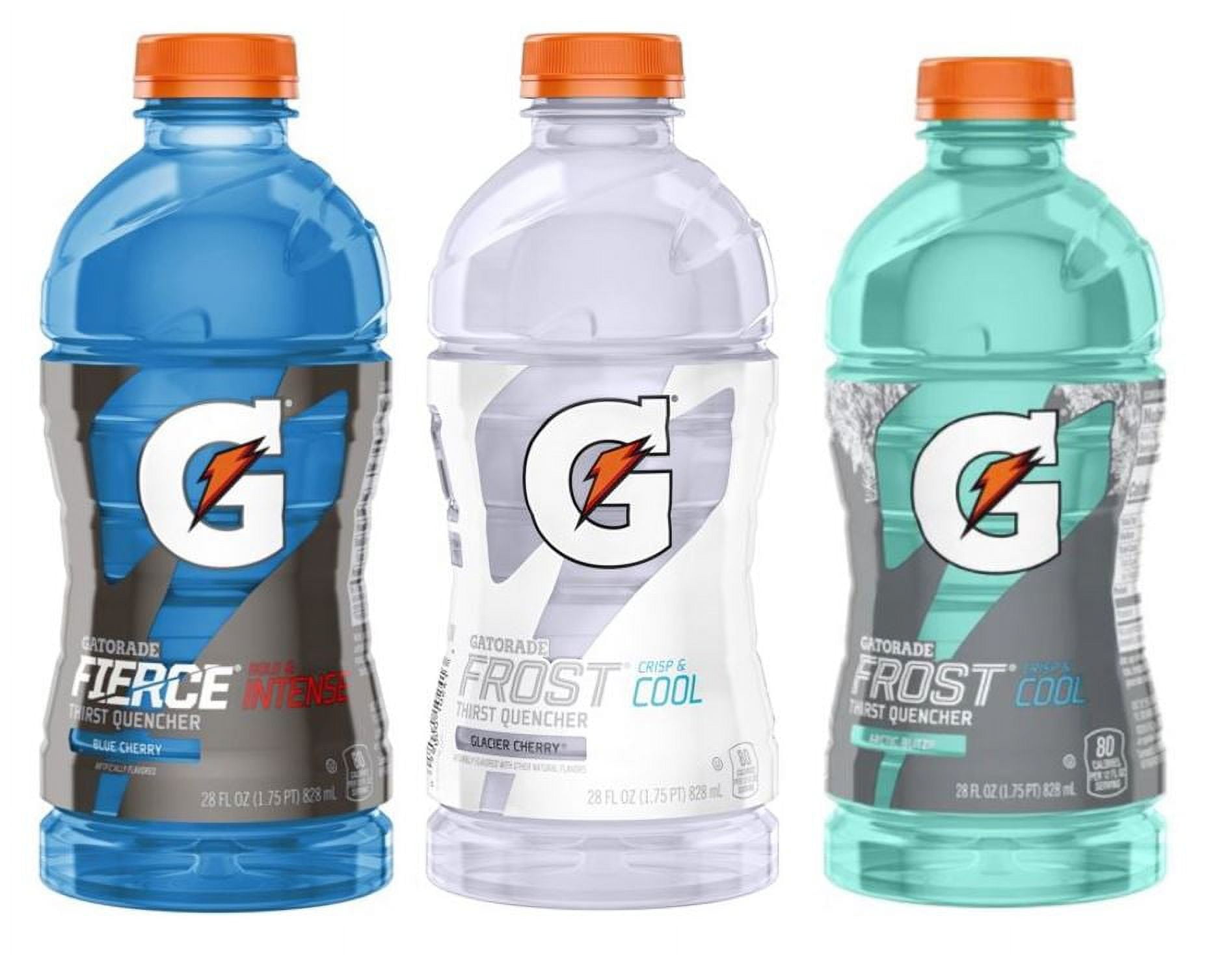
When you sweat during intense exercise, your body loses critical water and minerals that plain water alone can't efficiently replace. Gatorade Cool Blue is an isotonic sports drink formulated to speed up fluid absorption, maintain blood plasma volume, and restore electrolyte balance during prolonged exertion. Unlike generic sugary beverages, its specific ratio of sodium, potassium, and carbohydrates is built on decades of exercise physiology research.
Understanding how sports drinks work helps athletes choose the right fuel for training. Cool Blue delivers a precise combination of fast-acting carbohydrates and electrolytes designed to prevent cramping, delay fatigue, and support muscle contraction. Whether you're running a marathon or grinding through a heavy gym session, knowing the science behind your sports drink changes how you hydrate.
What is Gatorade Cool Blue?
Gatorade Cool Blue is a flavored sports drink created by PepsiCo under the Gatorade brand portfolio. It belongs to the classic Thirst Quencher line, which is engineered as an isotonic beverage. An isotonic drink contains similar concentrations of water, salt, and carbohydrates as the human body, allowing for rapid absorption across the intestinal wall.
The distinctive blue color and berry flavor profile set it apart from traditional lemon-lime or orange options, but the formulation shares the same core physiological purpose: restoring homeostasis. Athletes rely on it when sweat rates exceed normal fluid intake capacities, typically during workouts lasting longer than sixty minutes.
The Science of Isotonic Hydration
Fluid absorption speed depends heavily on osmolality—the concentration of dissolved particles in a fluid. If a drink is too concentrated (hypertonic), it pulls water into the gut and slows gastric emptying. If it's too dilute (hypotonic), it may not supply enough sodium and energy.
Cool Blue strikes a balance as an isotonic formula.
- Osmolality Match: Closely matches bodily fluids for rapid gastric emptying.
- Sodium Retention: Stimulates active fluid transport in the small intestine.
- Carbohydrate Fuel: Supplies simple sugars to working muscles without causing severe stomach distress.
When you exercise, your blood volume drops as water shifts from your plasma into your sweat and working tissues. Consuming a properly formulated sports drink helps maintain plasma volume, keeping your cardiovascular system efficient and your heart rate lower under the same workload.
Ingredient Breakdown and Electrolyte Profile
Every bottle of Cool Blue contains a specific mix of water, sweeteners, and mineral salts. Looking closely at the ingredient label reveals why it functions effectively as a performance aid.
Water and Fluid Base
Water serves as the primary vehicle, instantly addressing fluid deficits caused by heavy sweating.
Carbohydrates (Sucrose and Dextrose)
Carbohydrates provide exogenous fuel. During prolonged exercise, muscle glycogen stores deplete. The simple sugars in Cool Blue absorb quickly, providing an immediate energy source to working skeletal muscles and sparing liver glycogen.
Sodium and Potassium
Sodium is the primary electrolyte lost in sweat. Replacing sodium prevents hyponatremia—a dangerous condition caused by low blood sodium levels—while enhancing fluid retention. Potassium works alongside sodium to regulate fluid balance and support nerve impulse transmission.
Practical Hydration Protocols for Athletes
Drinking sports drinks randomly won't yield optimal results. Timing and volume matter when trying to maximize performance and recovery.
- Pre-Hydration: Drink 8 to 12 ounces of fluid about 30 minutes before stepping into training to ensure you start fully hydrated.
- Intra-Workout Sipping: For workouts lasting under an hour, plain water is usually enough. For sessions exceeding 60 minutes, consume 4 to 8 ounces of Cool Blue every 15 to 20 minutes.
- Post-Workout Recovery: Pair your rehydration strategy with a source of protein and complex carbohydrates to kickstart muscle repair.
Athletes should weigh themselves before and after intense training sessions. Every pound lost through sweat equates to roughly 16 ounces of fluid that needs replacement.
Common Hydration Mistakes to Avoid
Many active individuals make critical errors when managing their fluid intake. Avoiding these pitfalls keeps your energy steady and prevents stomach issues.
- Chugging Large Volumes at Once: Downing a whole bottle at once sloshes in your stomach and delays gastric emptying. Sip consistently instead.
- Relying Solely on Thirst: Thirst is a lagging indicator. By the time you feel thirsty, you're already mildly dehydrated.
- Ignoring Electrolytes During Long Bouts: Drinking excessive plain water during endurance events can dilute your blood sodium levels, leading to cramps or fatigue.
- Choosing High-Sugar Sodas: Regular sodas contain too much sugar and improper sodium ratios, making them poor choices for athletic rehydration.
Frequently Asked Questions
Is Gatorade Cool Blue good for everyday hydration?
For most sedentary people or light workouts under 45 minutes, plain water is sufficient. Cool Blue contains added sugars and sodium intended to fuel and replenish heavy exercisers, making it unnecessary for daily casual sipping.
Why does sweat taste salty if drinks are sweet?
Sweat contains various electrolytes, primarily sodium and chloride, which is why it tastes salty. The sodium in sports drinks replaces what leaves the body through perspiration, regardless of how sweet the beverage tastes.
Does the blue color affect athletic performance?
The vibrant color is primarily aesthetic and branding-driven. While some sports psychology studies suggest certain colors can influence perceived exertion or mood, the actual performance benefits of Cool Blue come directly from its carbohydrate and electrolyte chemistry.
Can I use Cool Blue for high-intensity interval training?
Yes, high-intensity interval training (HIIT) depletes glycogen and causes heavy sweating. Cool Blue works well for sessions that push past the one-hour mark or occur in hot, humid environments.