Language splits at the fuel pump. If you ask an American where to fill a car, they direct you to a gas station. If you ask someone in London, Sydney, or Dublin, they send you to a petrol station. This transatlantic divide causes minor confusion for travelers, but it highlights deep historical roots in how automotive technology spread globally.
Understanding these regional variations helps you navigate international travel, media, and business documents without sounding out of place. This guide breaks down the origins, geography, and practical differences between these two dominant terms, alongside other global fuel variants you need to know.
The Core Linguistic Split: Gas vs. Petrol
The difference boils down to a simple truncation. In American English, gasoline is shortened to gas. Because early American motorists adopted this abbreviated term for the liquid refined from crude oil, the retail location naturally became known as a gas station.
In British English and Commonwealth nations, the term petrol emerged as a shortening of petroleum spirit. The root word petroleum comes from the Latin petra (rock) and oleum (oil)—literally meaning "rock oil". Consequently, British English speakers built their vocabulary around petrol station. Further insights regarding the matter are covered by Associated Press.
Neither term describes a physical gas in the scientific sense of a vapor at standard temperature and pressure. Both substances enter your car's tank as a liquid. Yet, the linguistic habits stuck, driven by early 20th-century media, domestic oil production booms, and cultural isolation across oceans.
Regional Usage Map
Where you use each term depends almost entirely on geography and national education systems.
- United States: Gas station is absolute. Saying "petrol station" in a rural Ohio or downtown Chicago stop will draw blank stares. Locals also use terms like service station or simply "the gas station."
- Canada: Gas station dominates daily conversation, though you will frequently hear gas bar in certain provinces. Canadian English sits comfortably between American and British norms.
- United Kingdom and Ireland: Petrol station is universal. Drivers also refer to them colloquially as petrol pumps or simply "the garage."
- Australia and New Zealand: Petrol station or service station is standard, but Australians famously shorten the latter to the servo.
- India and South Africa: Petrol station and petrol pump are the prevailing terms across urban and rural infrastructure.
Alternative Global Terms You Will Encounter
English isn't monolithic, and regional variations extend far beyond the American and British standards. If you travel extensively, you'll encounter several other official and slang terms for these facilities.
Filling Station
Filling station functions as a neutral, highly formal term. You'll find it used in government highway manuals, corporate safety guidelines, and older texts. It bypasses the gas-versus-petrol debate entirely by focusing on the physical action of filling a vehicle's fuel tank.
Service Station
A service station historically implied a location that not only dispensed fuel but also offered mechanical repairs, oil changes, and spare parts. While modern forecourts lean heavily into convenience retail rather than engine repair, the name persists strongly in Australia, South Africa, and parts of the United States.
The French Influence: Station-Service
In multilingual regions or countries influenced by French administrative vocabulary, you'll hear station-service. This term translates directly across Canadian French contexts and various European nations, mirroring the English "service station."
Navigating Fuel Types Inside the Station
Beyond what you call the building, the actual products inside carry distinct names that trip up travelers.
If you drive a diesel vehicle, asking for "gas" in America can create a dangerous misunderstanding. In American English, "gas" refers exclusively to gasoline. Putting gasoline into a diesel engine ruins the fuel system. In international contexts, specifying diesel or unleaded petrol prevents costly mistakes.
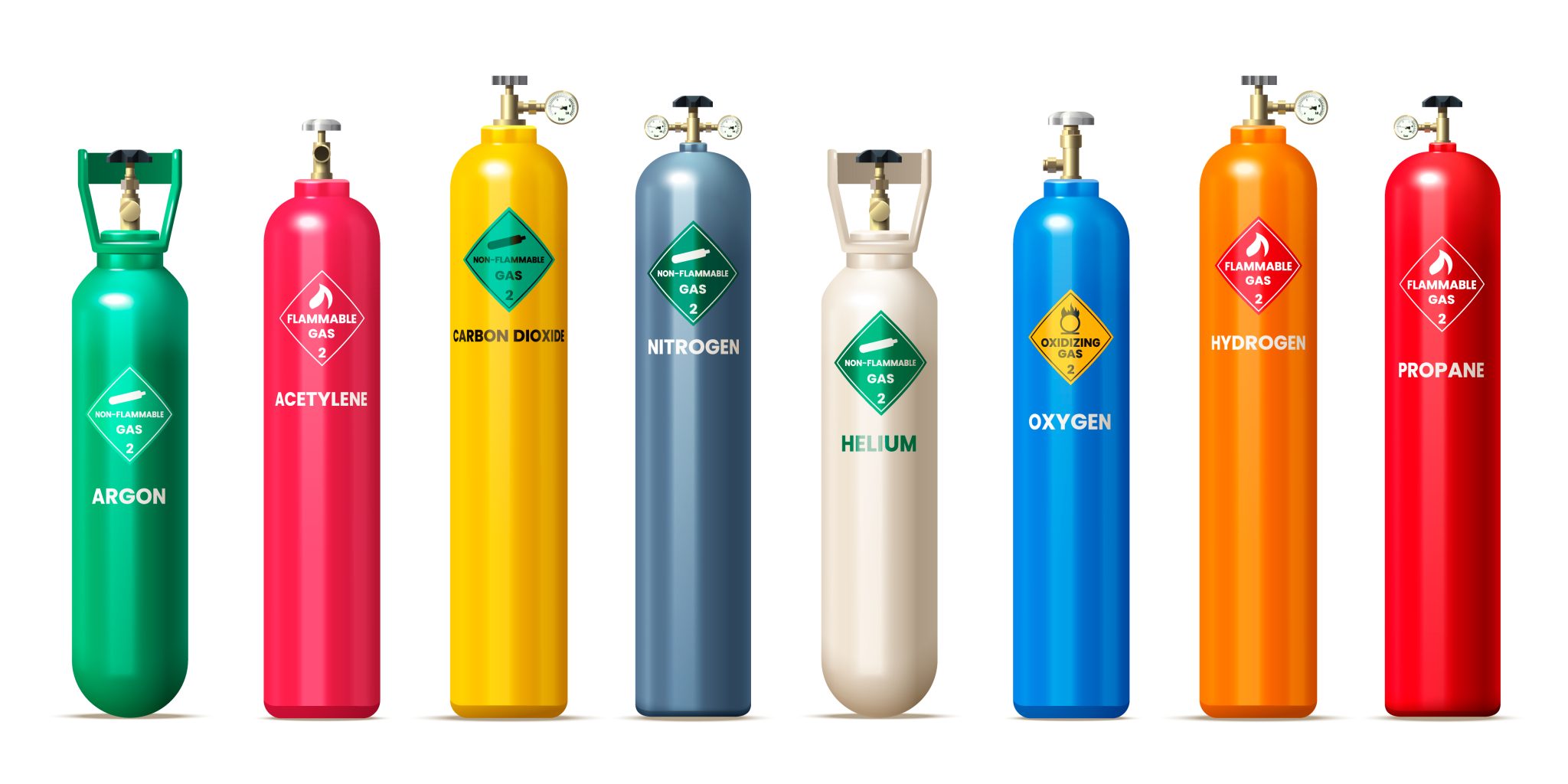
Furthermore, true gaseous fuels—such as Liquefied Petroleum Gas (LPG) or Compressed Natural Gas (CNG)—exist globally. In the UK, asking for "gas" might accidentally direct you toward bottled propane for a camping stove rather than your car's fuel tank.
For official guidelines on handling automotive fuels safely, consult resources provided by the U.S. Department of Energy or international transport agencies like the UK Department for Transport.
Modern Forecourt Evolution
The physical layout of these locations is shifting rapidly worldwide, blurring the lines between linguistic categories. Modern fueling hubs prioritize convenience retail, electric vehicle charging bays, and fresh food service over basic hydrocarbon sales.
In Scandinavia, the UK, and parts of the American West, large forecourts resemble mini-supermarkets or cafes. Whether you call it stopping for gas or pulling into a petrol station, the modern stop is engineered to be a comprehensive roadside destination rather than a simple pump island.
Frequently Asked Questions
Is it incorrect to say petrol station in America?
It isn't grammatically incorrect, but it sounds unnatural to native speakers. Americans will understand what you mean from context, but they will immediately recognize you as a non-local.
Why did America choose "gas" instead of "petrol"?
Early American petroleum refiners marketed volatile fractions of crude oil using various trade names. The abbreviation of gasoline to "gas" caught on rapidly in popular American culture during the early automotive boom of the 1900s, cementing itself permanently in the national lexicon.
What do Canadians call a gas station?
Canadians primarily say "gas station." However, regional variations exist, and you will frequently hear "gas bar"—especially in connection with grocery store or hypermarket fuel outlets.
Do British people ever use the word gas?
In British English, "gas" refers to a state of matter or utility gas used for home heating and cooking. It is never used to describe liquid vehicle fuel.



