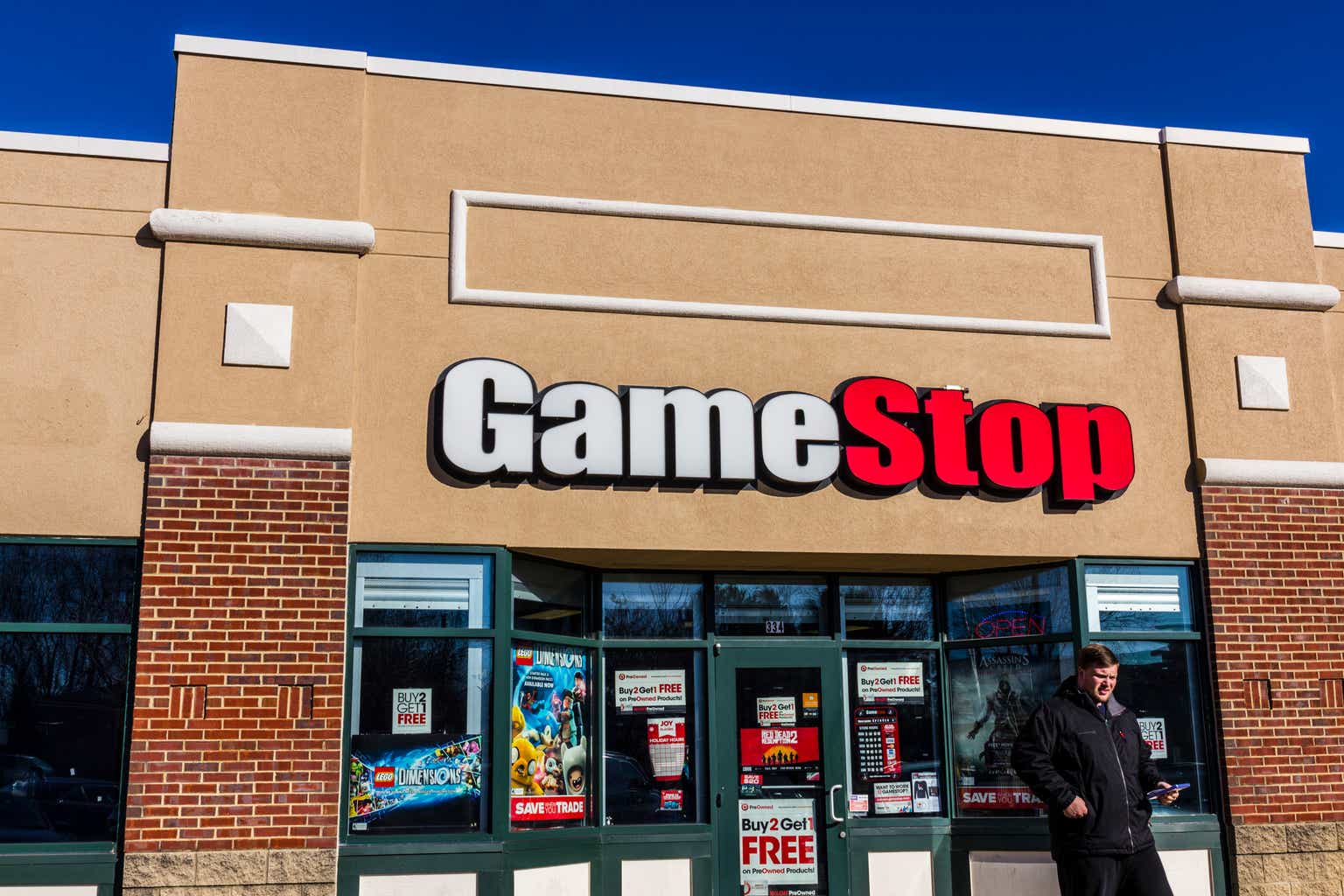
Deciding whether store-branded financing is a smart move usually boils down to pure math versus brand loyalty. The Gamestop Pro Credit Card, issued by Comenity Capital Bank, promises extra rewards, non-expiring points, and a complimentary tier of membership for frequent shoppers. At first glance, stacking perks for hardware upgrades and collectibles sounds appealing. Yet, looking past the marketing reveals steep interest charges and restrictive utility that require careful scrutiny before submitting an application.
The short answer is straightforward: this card functions as a powerful tool for dedicated shoppers who pay their statement balance in full every single month. For anyone who carries a balance, the steep annual percentage rate quickly cancels out any savings. Store-branded financing differs fundamentally from universal cash-back cards, meaning buyers must weigh the actual rewards value against financial risks.
Core Features and Rewards Breakdown
Understanding what the card offers requires examining the distinct reward structures provided to cardholders. Active members unlock specific financial perks designed to maximize spending power inside the retailer's ecosystem.
- Free Pro Membership: Opening and using the card within ninety days secures a complimentary year of the retailer's Pro tier (valued around thirty dollars), or extends an existing membership by twelve months.
- Enhanced Point Multipliers: Standard shoppers earn up to two percent back in points (twenty points per dollar spent). Combined with an active Pro subscription, total rewards can scale up to four percent back on eligible purchases.
- Non-Expiring Points: Reward points remain active as long as the credit account stays open and in good standing.
- No Annual Fee: Cardholders don't pay a yearly subscription fee just to keep the plastic in their wallet.
These incentives look attractive on paper, but they require consistent engagement with the retailer to realize actual savings. Points convert into discounts rather than direct cash deposited into a bank account.
The Financial Trap: High APR and Fees
The primary risk associated with store-branded plastic lies in the financing terms. The regular purchase annual percentage rate sits at a remarkably high 35.99 percent. Penalty rates can climb even higher if payments are missed.
Carrying a balance from month to month triggers massive interest charges that dwarf any rewards earned. A single deferred payment wipes out the financial gains of multiple console or game purchases. Furthermore, missing a due date or triggering a returned payment results in fees reaching up to forty-one dollars. Opting for paper statements instead of paperless billing may also incur a monthly administrative fee.
Closed-Loop Limitations
Unlike a standard Visa or Mastercard issued by a major financial institution, this product is a closed-loop credit line. Purchases are restricted strictly to the retailer's physical locations and official website.
Shoppers cannot use the line of credit for groceries, gas, utility bills, or purchases at other gaming marketplaces. This restriction limits its utility as a primary financial tool. Building a robust credit history usually benefits more from versatile cards that reward everyday spending across multiple categories.
Evaluating the Numbers: When Does It Make Sense?
For a clearer picture, consider a buyer spending five hundred dollars annually on games, trade-ins, and collectibles. Earning an extra two to four percent back yields roughly ten to twenty dollars in reward value. Saving thirty dollars on a membership extension adds immediate value during the first year.
However, if a user slips up and leaves a two-hundred-dollar balance unpaid for just a few months, the 35.99 percent interest rate rapidly generates costs exceeding the total rewards earned. The math only favors disciplined spenders who treat the account like a debit card.
To explore broader consumer protections and lending regulations, review guidelines provided by the Consumer Financial Protection Bureau. For details on general credit card management, consult resources from the Federal Trade Commission.
Common Mistakes to Avoid
- Treating rewards like free money: Points only create savings when buying items already slated for purchase. Spending extra money simply to chase points defeats the purpose.
- Ignoring the billing cycle: Failing to pay the full statement balance before the grace period ends triggers the punishing interest rate.
- Overlooking credit limits: Store cards often start with lower initial credit limits, which can impact credit utilization ratios if large console purchases are financed.
- Forgetting the timeline: New applicants must make an initial purchase within ninety days of approval to secure the promotional membership extension.
Frequently Asked Questions
Can the card be used anywhere outside of the retailer?
No. This is a closed-loop store credit card restricted exclusively to the brand's website and physical retail stores.
What credit score is needed for approval?
Store cards typically target consumers with fair to good credit scores, usually starting around 640, though approval depends on overall financial history and current debt loads.
Do reward points expire if the account remains open?
Points do not expire as long as the credit account stays active and open, and the associated membership requirements are met. Closing the account subjects remaining points to standard expiration rules.
Are there alternative cards that offer better overall value?
Yes. General cash-back credit cards offering flat-rate rewards on all purchases provide far more versatility without locking spending into a single retail ecosystem.


