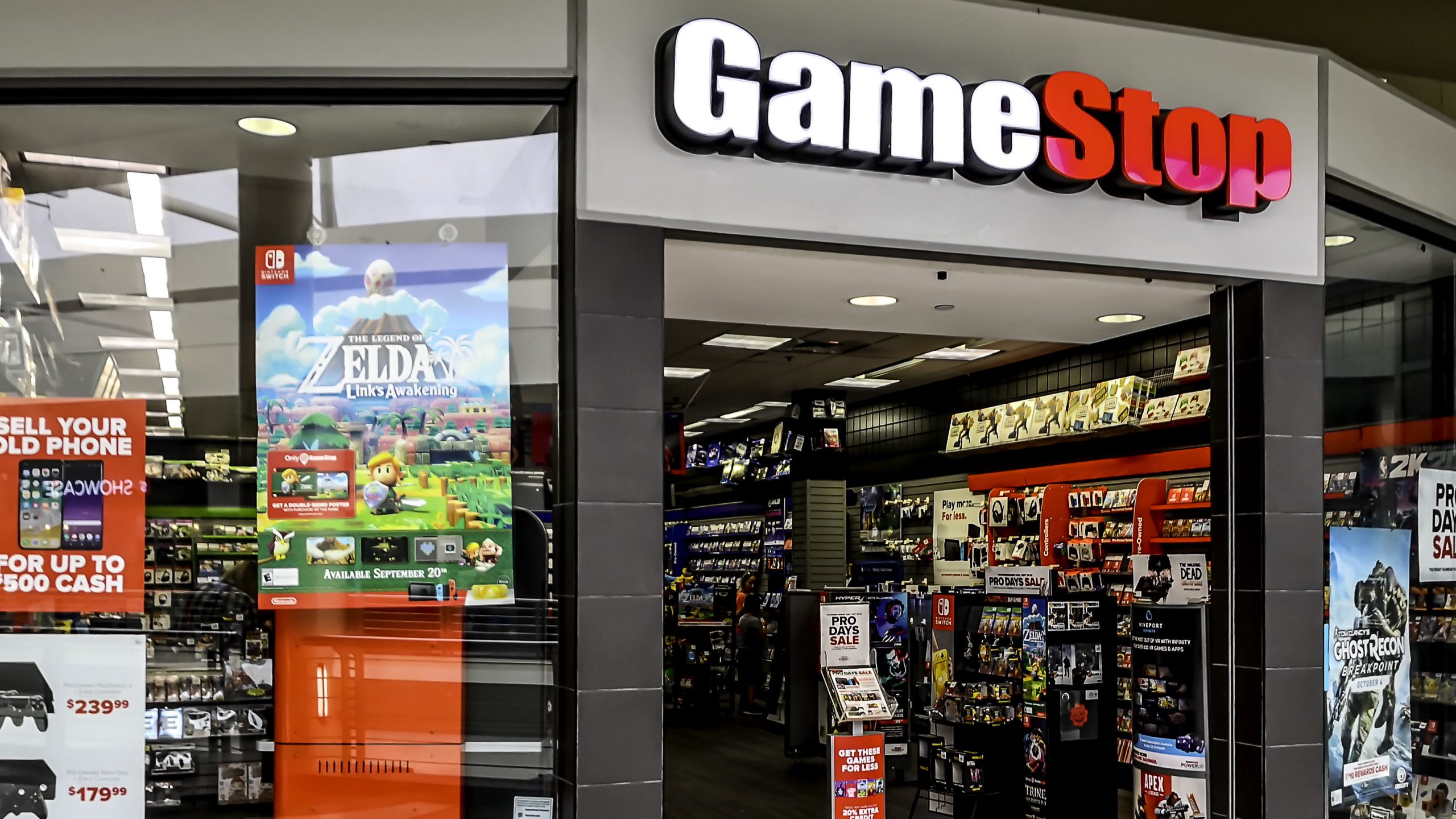
Navigating entry-level retail compensation reveals stark realities about corporate pay scales, regional wage gaps, and daily floor experiences. At GameStop, hourly wages for entry-level associates typically hover close to local legal minimums, ranging from $10 to $14 per hour depending on state mandates and local cost-of-living adjustments. While specialty gaming retail attracts passionate enthusiasts, the structural pay tiers between frontline workers and salaried management highlight persistent friction within traditional brick-and-mortar retail operations.
Understanding how compensation functions across different tiers requires examining base pay rates, internal promotional ceilings, and the lived realities of retail staff. This breakdown analyzes structural wage disparities, geographical variance, and what workers actually experience on the sales floor.
GameStop pay structure and hourly wage tiers
The organizational hierarchy at GameStop relies heavily on part-time hourly staffing to manage store traffic, inventory, and customer service. Entry-level roles such as Game Advisors and Cashiers usually start near the baseline minimum wage mandated by individual states. In states with higher statutory minimums like California or New York, hourly rates adjust upward to comply with local laws, whereas locations in lower-cost states often stay closer to federal or state baselines.
Moving up the hourly ladder introduces positions like Senior Game Advisors and Shift Leads, which typically command a modest bump of $1 to $4 above starting wages. However, hours for these roles are often restricted, limiting total weekly take-home pay. Part-time status frequently prevents workers from accessing comprehensive benefits, creating a structural divide between corporate expectations and worker financial stability.
Salaried positions, including Assistant Store Managers and Store Managers, operate under different financial pressures. Store managers handle operational duties, scheduling, and loss prevention, often earning modest annual salaries that break down to low hourly equivalents when factoring in mandatory overtime and high workloads.
The retail wage gap: Frontline staff versus corporate metrics
A prominent point of contention among retail workers involves the gap between frontline compensation and executive earnings or corporate cost-cutting measures. While corporate restructuring aims to stabilize profitability, retail staff frequently report stagnant hourly rates that fail to match inflation or the rising cost of living.
- Limited hours: Part-time scheduling caps weekly hours to avoid benefit eligibility, restricting full-time earnings.
- Stagnant progression: Internal pay bumps between entry-level advisory roles and shift lead positions are often incremental.
- Additional responsibilities: Staff frequently absorb inventory, digital sales, and trade-in valuation duties without proportional wage increases.
These structural limitations foster high turnover rates across numerous locations. Workers often view entry-level positions as short-term stepping stones rather than sustainable long-term employment options.
Employee experiences on the sales floor
Day-to-day experiences shared by current and former employees highlight the emotional and physical demands of working in specialty gaming retail. Beyond operating registers, staff must drive metrics such as Pro Loyalty memberships, magazine subscriptions, pre-orders, and warranty attachments. Failing to meet these daily targets can result in intense performance tracking from district management.
Safety and lone staffing also present ongoing challenges. Many lower-volume stores routinely schedule single-coverage shifts, leaving individual employees alone on the sales floor to handle cash handling, customer rushes, and loss prevention. This operational model increases workplace stress and safety concerns for minimal hourly compensation.
Regional variances and cost-of-living impacts
Geographic location remains one of the most significant determinants of a worker's actual take-home pay. Urban centers and states with aggressive minimum wage laws provide higher nominal wages, but these gains are frequently offset by steep local housing and transportation costs. Conversely, rural or suburban stores offer lower hourly rates that align with regional economic baselines, leaving rural employees vulnerable to localized inflation.
Comparing GameStop's compensation packages to other big-box retailers or specialty chains demonstrates that specialty gaming positions often lag behind general merchandise competitors. While employees trade on their love for video culture, the financial return on labor often falls short of industry averages found in broader retail sectors.
Frequently asked questions
What is the typical starting wage for a GameStop employee?
Starting pay typically aligns with local or state minimum wage requirements, generally ranging between $10 and $14 per hour for entry-level cashiers and game advisors.
Do part-time GameStop employees receive health benefits?
Comprehensive benefits, including medical insurance, are generally restricted to full-time employees who meet specific tenure and weekly hour requirements, leaving many part-time staff without coverage.
Why is there a high turnover rate among retail staff?
High turnover is primarily driven by limited promotional opportunities, part-time hour caps, high metric expectations, and wages that struggle to keep pace with living expenses.
How do store managers' salaries compare to hourly wages?
Store managers receive fixed annual salaries that cover standard operational duties. When factoring in the actual hours worked to maintain store compliance and coverage, the effective hourly rate can closely mirror senior hourly tiers.


