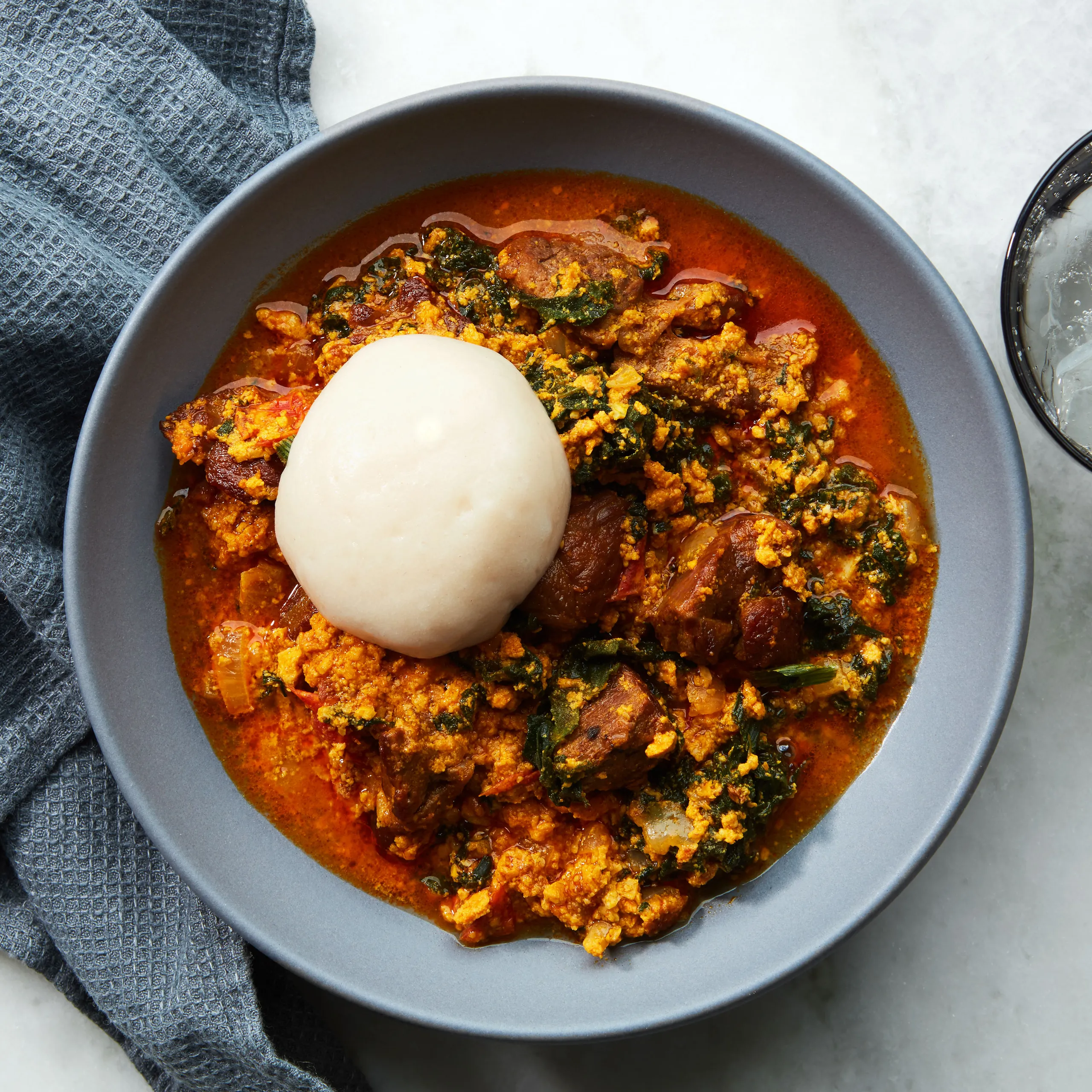
Fufu is breaking out of West and Central African kitchens and capturing international attention. Driven by digital platforms, diaspora communities, and an expanding appreciation for diverse global flavors, this ancient starchy staple has evolved from a regional comfort food into a worldwide culinary phenomenon. Far from a fleeting internet trend, fufu represents a rich culinary tradition rooted in community, history, and incredible culinary science.
At its core, fufu is a smooth, stretchy dough made by boiling and pounding starchy food sources like cassava, yams, or plantains. It acts as both a vessel and an accompaniment for rich, savory soups and stews, offering a tactile and communal dining experience that skips utensils entirely. Understanding why it's gaining global popularity requires looking closely at its origins, preparation methods, and cultural footprint.
The History and Origins of Fufu
The word "fufu" originates from the Twi language of the Akan people in Ghana, translating roughly to "mix" or "mash." Archaeological and cultural history traces the dish back centuries, where it served as a primary source of sustenance and a centerpiece during communal gatherings, festivals, and family meals.
As populations migrated across West and Central Africa—including regions like Nigeria, Ghana, Cameroon, and Sierra Leone—the recipe adapted to whatever local crops grew best. When the transatlantic slave trade and later migration waves carried these traditions abroad, fufu traveled to the Caribbean and South America, spawning local iterations like mofongo in Puerto Rico and mangú in the Dominican Republic. Today, its modern global footprint is expanding rapidly as international foodies discover its unique textures through Food and Agriculture Organization (FAO) reports on global staple crops and cultural features by outlets like BBC Food.
How Fufu is Traditionally Made
Making traditional fufu is an art form that demands patience, physical strength, and precision. The traditional method relies on two people: one wielding a heavy wooden pestle to pound the ingredients in a large wooden mortar, and the other rhythmically turning, folding, and splashing water onto the dough between strikes.
The primary ingredients vary by region and personal preference:
- Cassava Fufu: Made from fresh or fermented cassava roots, giving it a distinct, slightly sour tang and a very stretchy, elastic texture.
- Pounded Yam Fufu: Crafted from white yams, yielding a smoother, sweeter, and heavier dough popular in Nigeria.
- Plantain Fufu: Uses green plantains, resulting in a denser, earthier profile.
- Alternative Flour Fufu: Modern convenience has introduced instant fufu flours made from semolina, cornmeal, or oat flour, which allow home cooks to skip the intensive pounding process while approximating the classic texture.
The fermentation step in traditional cassava fufu is particularly important. Soaking the bitter cassava tubers for days breaks down toxins and develops the signature complex flavor profile that defines authentic West African preparations.
Why Fufu is Exploding in Global Popularity
The modern surge of fufu on the global stage isn't an accident. Several cultural and technological shifts have propelled it into mainstream international awareness.
Social Media and Food Creators
Platforms like TikTok and YouTube turned fufu into a viral sensation. Creators shared ASMR-style videos of tearing, rolling, and dipping the dough, sparking curiosity among millions of viewers who had never encountered African swallow dishes before. Reviewers documented their first-time reactions, driving massive foot traffic to local African restaurants and grocery stores.
The Rise of African Gastronomy
For decades, international food media overlooked African cuisine, often boxing it out of fine dining and global culinary conversations. Today, acclaimed chefs like Eric Adjepong have brought West African flavors to television and upscale restaurant menus, proving that these dishes offer sophisticated flavor profiles worthy of global recognition. Restaurant data from platforms like Open Table indicates that West African dining has seen explosive year-over-year growth.
The Search for Unique Textures and Gluten-Free Options
As global consumers grow weary of monotonous diets, they actively seek out interactive, experiential eating styles. Fufu offers a completely novel tactile experience. Furthermore, because many traditional variants are naturally gluten-free, health-conscious eaters view them as an exciting alternative to standard wheat-based carbohydrates.
How to Eat Fufu Correctly
Eating fufu requires a specific technique that turns a meal into an interactive experience. If you approach it with a fork and knife, you'll miss the point entirely.
- Wash your hands thoroughly: Because fufu is eaten exclusively with your fingers, clean hands are mandatory.
- Pinch a small portion: Use the fingers of your dominant hand to pinch off a bite-sized lump of the dough.
- Make an indentation: Press your thumb gently into the center of the dough ball to create a small scoop.
- Dip and wrap: Dip the dough into your accompanying soup or stew, letting it absorb the liquid, and wrap it slightly around chunks of meat or fish.
- Swallow without chewing: This surprises many beginners. Fufu is meant to be swallowed whole or with minimal chewing, allowing the complex starches to slide down smoothly after being coated in flavorful broth.
Essential Soups and Stews to Pair with Fufu
Fufu has a relatively neutral taste on its own, meaning it relies entirely on the companion soup to shine. Pairing it incorrectly leaves the meal unbalanced.
- Egusi Soup: Made from ground melon seeds, palm oil, leafy greens, and assorted meats or fish, offering a rich, nutty flavor that clings perfectly to fufu.
- Okra Soup: A slippery, nutrient-dense soup packed with spices, seafood, and chopped okra that complements the elasticity of the dough.
- Light Soup (Nkrakra): A spicy, tomato- and pepper-based Ghanaian soup that cuts through the density of yam or cassava fufu.
- Ogbono Soup: Prepared from ground wild African mango seeds, creating a viscous, velvety texture that pairs seamlessly with swallows.
Common Mistakes When Trying Fufu for the First Time
If you're cooking or ordering fufu for the first time, a few common pitfalls can ruin the experience.
- Chewing it like bread: Trying to thoroughly chew heavy fufu makes it stick to your teeth and palate. Remember that it's designed to be swallowed smoothly.
- Skipping the soup pairing: Eating dry fufu is like eating plain, unseasoned flour paste. It must be paired with a heavy, highly seasoned broth.
- Using instant flour incorrectly: If you use instant fufu mix, adding boiling water too quickly or failing to stir vigorously with a wooden paddle leads to lumpy, unappealing results rather than a smooth dough.
Frequently Asked Questions
Is fufu healthy?
Yes, fufu is primarily composed of complex carbohydrates, providing a slow-release energy source. Depending on the base ingredient, it also supplies dietary fiber and potassium. However, because it is calorie-dense, portion control matters for those managing blood sugar or daily caloric intake.
Does fufu contain gluten?
Traditional fufu made from 100 percent cassava, plantain, or yam is naturally gluten-free. However, if you purchase instant mixes or alternative flours, check the package labels to ensure wheat derivatives or semolina haven't been blended in.
Why does authentic fufu taste slightly sour?
Authentic cassava fufu undergoes a natural fermentation process before being cooked. This fermentation gives the finished dough its characteristic, pleasant tang, which balances out the heavy, spicy stews it's served with.
Can you make fufu without a mortar and pestle?
Absolutely. Modern home cooks routinely use a saucepan and a sturdy wooden spatula or spoon to mix instant fufu flour on the stovetop, achieving a smooth, stretchy consistency in under ten minutes without heavy manual labor.



