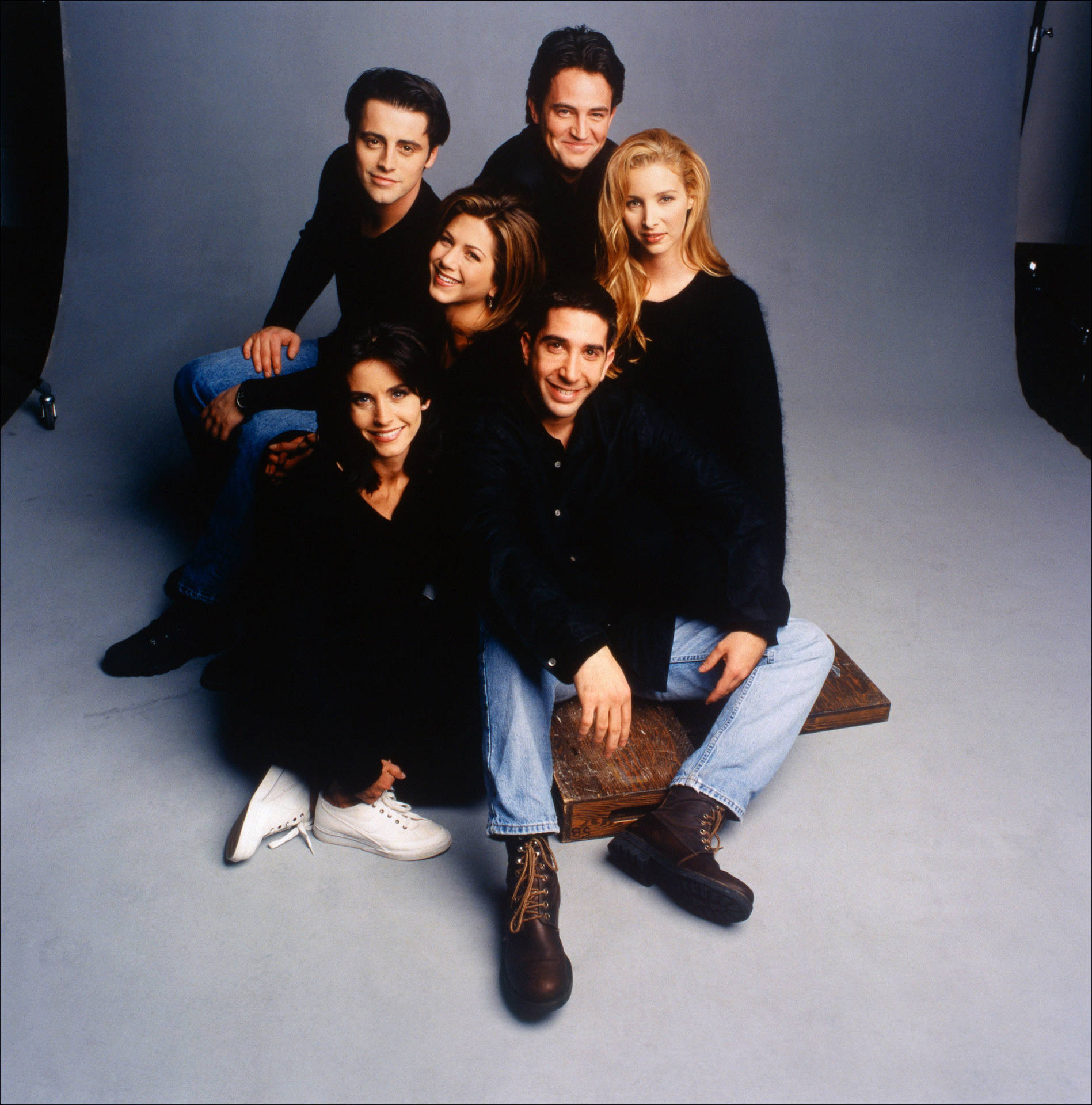
When a beloved television show brings in a major movie star for a single episode, the results usually feel like a cheap ratings stunt. Yet Friends managed to turn celebrity cameos into a masterclass in character dynamics and cultural longevity. Instead of treating guest stars as walking billboards, the writers wove them tightly into the core emotional ecosystem of the apartment. That careful integration changed how modern sitcoms handle guest talent, transforming temporary appearances into legendary cultural touchstones that still define the show's enduring legacy.
Understanding this strategy requires looking past the star power itself. The secret wasn't just casting famous faces; it was using them to challenge, pressure, and expose the vulnerabilities of the six main characters. Whether it was Brad Pitt holding a decade-old grudge or Bruce Willis melting from a stern disciplinarian into an emotional wreck, these guest appearances served specific narrative functions. They kept a ten-season run feeling fresh long after most network comedies ran out of steam.
The Strategic Evolution of Sitcom Cameos
In the early decades of television, guest spots typically fell into two predictable buckets. Performers either played broad, exaggerated versions of themselves for a quick laugh or dropped in for a very special episode dealing with heavy social issues. By the mid-1990s, the landscape shifted. The rise of NBC powerhouse Thursday nights created an unprecedented megaphone, making a spot on Friends one of the most coveted assignments in Hollywood.
Early seasons relied on smart, low-key crossovers and network synergy. Bringing in George Clooney and Noah Wyle during season one wasn't just a clever nod to ER, which filmed on a neighboring lot. It immediately established the show's world as part of a vibrant, interconnected television universe. Viewers didn't just see random actors dropping by; they watched the central characters interact with figures who felt native to a bustling Manhattan lifestyle.
As the show solidified its cultural dominance, the caliber of talent shifted dramatically. A-list movie stars who rarely touched television suddenly wanted in. Crucially, the production team avoided giving these mega-stars preferential treatment. Writers forced actors like Julia Roberts and Jean-Claude Van Damme into absurd, humbling scenarios that played against their pristine public images. That willingness to look foolish preserved the grounded, ensemble-driven integrity of the series.
How Guest Stars Weaponized Character History
The most effective guest appearances on Friends worked because they weaponized the characters' shared pasts. When a visitor walked into Central Perk, they usually carried narrative baggage that disrupted the status quo.
Consider Brad Pitt's performance as Will Colbert in the season eight Thanksgiving episode. On paper, casting the world's biggest movie star as a bitter high school friend risked overwhelming the scene. Instead, the script inverted expectations by making Will deeply resentful of Rachel, revealing that Ross and Will had founded an "I Hate Rachel Green Club" in high school. The cameo worked because it subverted real-world dynamics while deepening the fictional history between the core trio. It gave fans a tangible look at who these characters were long before the cameras started rolling in 1994.
Similarly, bringing in family members added immediate friction without requiring extensive backstory setup. Marlo Thomas as Rachel's mother or Kathleen Turner as Chandler's estranged parent injected instant tension. These actors didn't just show up to deliver punchlines; they embodied the root causes of the characters' adult neuroses.
- The High School Grudge: Using childhood peers to expose long-buried embarrassments.
- The Romantic Interloper: Introducing high-profile partners like Bruce Willis to test the boundaries of core relationships.
- The Disrupted Routine: Injecting chaotic outside energy, like Danny DeVito's unforgettable, tearful striptease.
Behind the Scenes: Unplanned Magic and Real-World Ties
Many of the most iconic guest spots happened entirely by accident or through personal relationships rather than standard casting channels. The television industry often operates on rigid corporate timelines, but Friends benefited from a cast and crew plugged directly into contemporary pop culture.
The famous cameo by Robin Williams and Billy Crystal in season three came together completely by chance. The two comedy legends were filming a movie nearby and wandered onto the Warner Bros. lot. Spotting the cast, they improvised their entire opening scene in the coffee shop coffee house chairs, creating an unscripted cold open that remains a masterclass in spontaneous physical comedy.
Other appearances materialized through sheer personal persistence. Julia Roberts agreed to step into a multi-episode arc as a vengeful former classmate only after Matthew Perry faxed her a breakdown of quantum physics—and she responded by asking him to explain it over fax, accompanied by a request for a date. Bruce Willis reportedly landed his multi-episode run after losing a bet regarding the box office success of The Whole Nine Yards, subsequently donating his entire episodic salary to charity.
The Blueprint for Modern Streaming and Television
The structural DNA of modern prestige television owes a massive debt to how Friends managed its guest cast. Today, limited series and streaming hits routinely lean on star-studded guest rosters to generate online chatter. Yet contemporary shows often use celebrities as expensive wallpaper, relying on star power to mask thin writing.
Friends proved that a famous face only elevates a project if the writing provides genuine narrative friction. When Reese Witherspoon played Rachel's spoiled younger sister Jill, the performance worked because Jill served as a mirror showing how much Rachel had actually grown since pilot episode. The comedy came from character evolution, not just the novelty of seeing an Oscar winner on a soundstage.
By treating guest actors as temporary narrative catalysts rather than mere promotional tools, the series established a gold standard. Future multi-camera and single-camera comedies watched closely, learning that a great cameo must always serve the ensemble first and the marquee second.
Frequently Asked Questions
Which guest star won an Emmy for their appearance on Friends?
Several guest actors received major recognition, but Christina Applegate won the Primetime Emmy Award for Outstanding Guest Actress in a Comedy Series in 2003 for her portrayal of Rachel's chaotic sister, Amy Green. Bruce Willis also won an Emmy the previous year for his role as Paul Stevens.
Were any guest stars completely uncredited?
Yes. Several high-profile figures dropped by without official billing in the credits. For instance, Jay Leno made a surprise cameo in the first season interacting with Chandler's mother, and other public figures occasionally popped up in crowd scenes or brief speaking roles to catch viewers by surprise.
Why did so many A-list movie stars want to appear on the show?
By the late 1990s, Friends reached tens of millions of households every single week, offering an unmatched promotional platform. Furthermore, the supportive behind-the-scenes culture fostered by the core cast made the set notoriously welcoming for guest performers.
How many episodes did Brad Pitt appear in?
Brad Pitt appeared in exactly one episode: season eight, episode nine, titled "The One with the Rumour". Despite the single-episode runtime, his performance remains one of the most widely referenced guest spots in television history.


