The French waitress code shapes how dining rooms operate across France, dictating everything from how a table is greeted to the unspoken rhythm of a multi-course meal. Far from arbitrary snobbery, the behavior of la serveuse in a Parisian bistro or a rural café is rooted in professional boundaries, labor history, and a mutual social contract between diner and server. Understanding this code transforms a frustrating restaurant experience into an effortless cultural exchange.
While North American dining culture prioritizes constant attentiveness and relentless cheer, French service relies on professional autonomy and emotional restraint. Servers aren't there to act as personal entertainers; they are skilled hospitality technicians managing a room with calculated efficiency. Let's break down how la serveuse operates, what the unwritten rules of French dining demand, and how these workplace realities shape the modern European restaurant landscape.
The Foundation of French Service Etiquette
When you sit down at a traditional French establishment, the interaction begins before you ever open a menu. The single most critical rule of French dining etiquette is the acknowledgment of personhood: you must greet your server immediately upon entry.
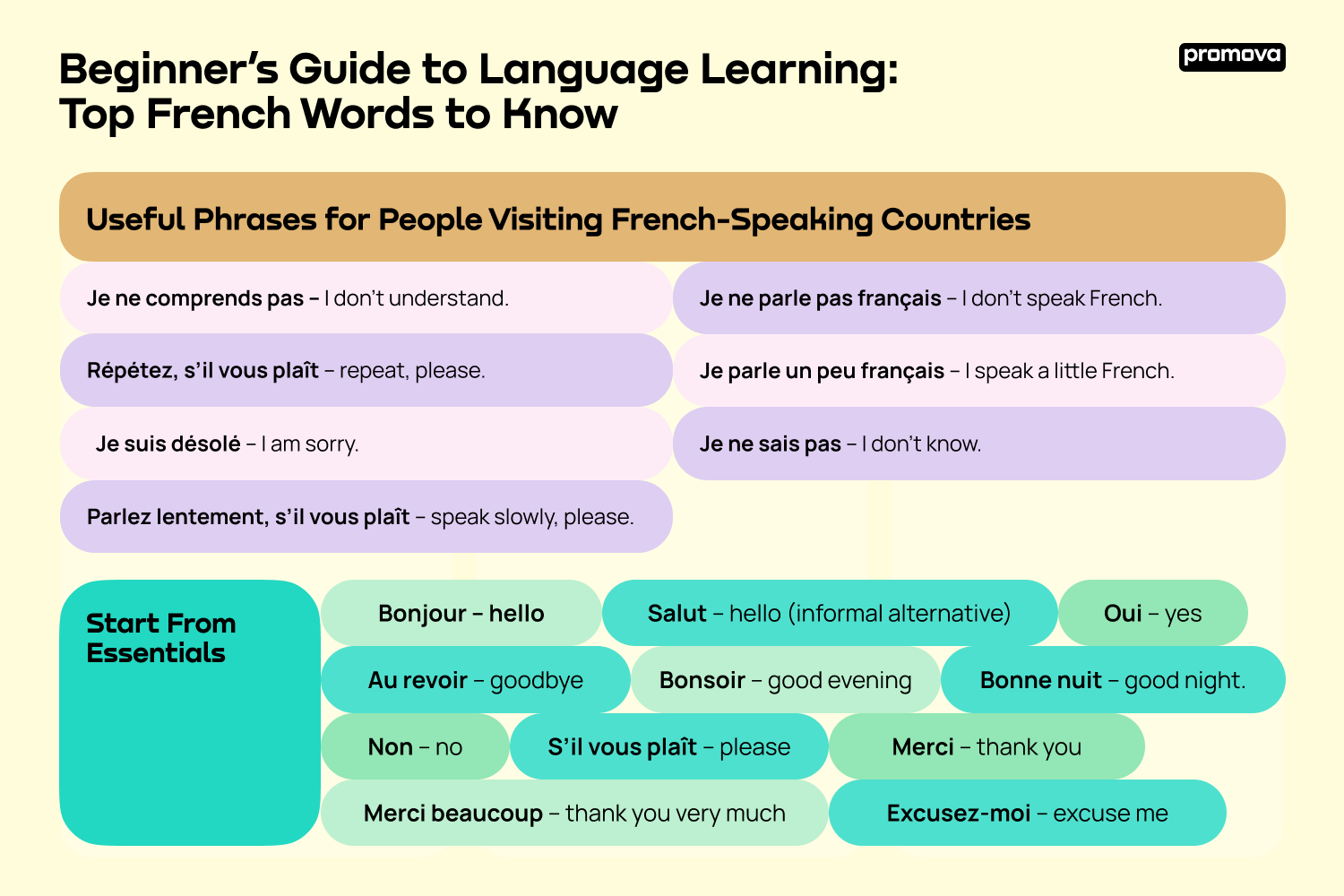
Failing to say "Bonjour monsieur" or "Bonjour madame" before asking for a table or requesting water marks you instantly as an outsider who views service workers as invisible. This initial greeting establishes social equilibrium. It resets the dynamic from a transactional consumer-merchant model to a polite, civilized exchange between equals.
The Myth of Parisian Rudeness
Foreign travelers often mistake the calm detachment of la serveuse for outright hostility. In reality, this emotional neutrality protects both parties from forced, inauthentic intimacy.
- Professional Distance: Servers maintain a respectful boundary that grants diners privacy to converse. You aren't being ignored; you are being given space to enjoy your meal.
- The Pacing Paradox: French meals are designed to unfold slowly. Servers won't rush you through courses, nor will they clear your plate the exact second your last bite disappears.
- Checking In: Don't expect a server to interrupt your conversation every five minutes to ask if everything is delicious. If you need something, you must catch their eye and make a polite request.
Unwritten Rules of the Floor
The daily execution of service in France follows precise routines that have evolved over centuries. Behind the polished surface of a bustling Parisian terrace lies a rigorous operational framework.
+-------------------------------------------------------+
|                THE SERVICE TIMELINE                   |
+-------------------------------------------------------+
|  1. The Greeting : Immediate eye contact & "Bonjour"  |
|  2. Water Protocol: Carafe d'eau requested automatically|
|  3. The Order    : Clear articulation without rushing |
|  4. The Check    : Delivered only when explicitly asked |
+-------------------------------------------------------+
Navigating Drinks and Water
Unlike in North American restaurants where iced tap water appears instantly and refills are endless, French dining treats water as an accompaniment rather than a utility. If you want free tap water, you must ask specifically for une carafe d'eau. Ordering bottled water (eau plate or eau pétillante) signals that you expect a commercial brand to be uncorked at your table.
Bread and Cutlery Protocol
Bread arrives to accompany savory courses, not to serve as a pre-meal appetizer to curb your hunger while you wait. It sits directly on the table cloth or a small side plate, never slathered in butter before the food arrives. When handling your cutlery, remember that your utensils act as a silent language. Crossing your knife and fork on the plate signals that you are pausing between bites, while placing them parallel on the right side tells the server the course is finished and ready to be cleared.
Industry Realities: Inside the Life of La Serveuse
Behind the romanticized aesthetic of the apron and bistro chalkboard lies a demanding physical and economic reality. The modern European hospitality sector faces intense labor shortages, rising living costs in urban centers like Paris and Lyon, and shifting gender dynamics.
Historically dominated by women in specific café sectors, the profession now sees a more balanced gender distribution, yet structural challenges remain. Split shifts are standard practice. A typical day for la serveuse involves a pre-service huddle at 10:30 AM, a high-intensity lunch rush from 12:00 to 2:30 PM, an afternoon lull, and an evening dinner service running until midnight.
Professional Training and Certification
Being a career server in France is often treated as a formal trade rather than a casual student job. Many professionals complete vocational credentials such as the Certificat de Aptitude Professionnelle (CAP) or specialized hospitality programs that require mastering:
- Comprehensive wine and regional spirits knowledge covering hundreds of protected designations.
- Flawless execution of traditional tableside preparation and carving.
- Advanced conflict resolution and multi-lingual communication for tourist-heavy zones.
Unlike countries where base wages are heavily subsidized by erratic customer tips, French restaurant workers rely on regulated salaries and mandatory service charges built directly into menu pricing (service compris). Tipping (le pourboire) is a genuine bonus for exceptional care rather than a mandatory tax required to lift a worker above the poverty line. Dropping a few coins or a modest bill on the table is appreciated, but a digital terminal prompt asking for a twenty percent tip will often trigger quiet bewilderment.
Common Mistakes Made by Foreign Diners
Even well-traveled tourists frequently stumble when ordering or interacting with staff. Avoiding these common errors ensures a smooth meal and earns immediate respect from the floor team.
- Snapping or Whistling: Never wave your arms wildly, snap your fingers, or call out across the room to grab attention. Wait for eye contact, raise a hand slightly, and say "Excusez-moi".
- Demanding Substitutions: French kitchens build menus around seasonal harmony and specific culinary profiles. Asking to swap half the ingredients in a dish is often met with polite resistance because the recipe is considered a cohesive whole.
- Rushing the Bill: In France, the table is yours for the duration of the meal. Servers will never drop the check uninvited, as doing so implies they want you to leave. When you are ready to depart, you must explicitly ask for it: "L'addition, s'il vous plaît".
To explore broader trends in European labor standards and culinary heritage, you can review guidelines provided by organizations like France.fr or read sociological overviews on Le Monde detailing modern urban workforce shifts.
Frequently Asked Questions
Is tipping expected in French restaurants?
No. Service charges are legally included in your menu price under French labor laws. While leaving small change or a few euros for exceptional service is a nice gesture, tipping American-style percentages is unnecessary and uncommon.
Why do French servers take so long to bring the check?
In French dining culture, lingering at the table is considered an essential part of the social experience. Bringing unrequested checks is viewed as rushing the customer out the door. You must ask for the bill when you are ready to depart.
How do I order free tap water?
Do not ask for "water" generically, or you will likely be charged for bottled mineral water. Explicitly request une carafe d'eau, which is the standard, free carafe of fresh tap water served chilled.
Is it acceptable to split bills at a French restaurant?
Splitting bills (l'addition séparée) across multiple credit cards is traditionally frowned upon in busy bistros, especially during peak rushes. It is much easier for the table to pool cash or have one person pay while others settle up privately afterward.


