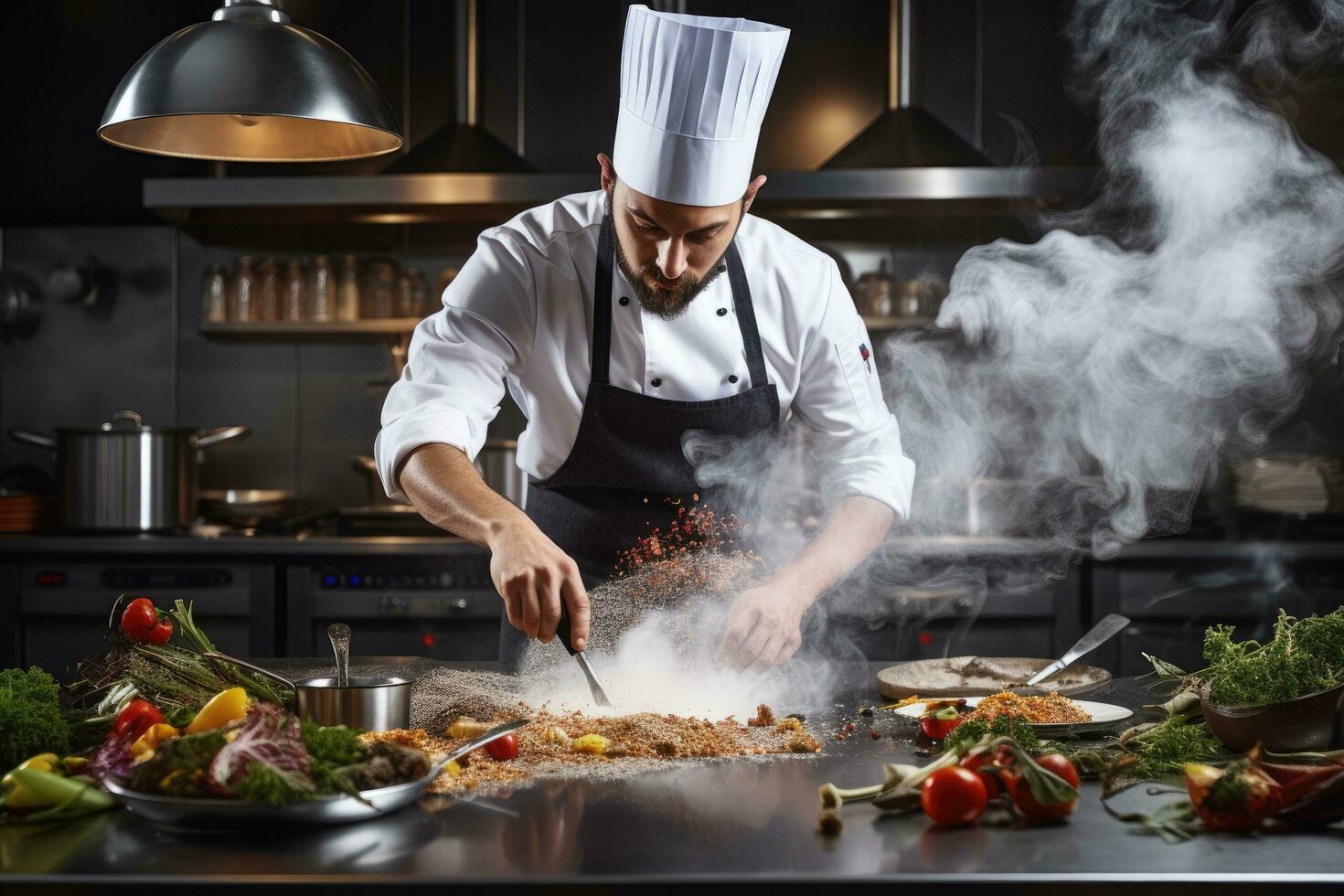
French cooking hasn't vanished from American restaurants, but it doesn't look like it did in the mid-twentieth century. The heavy butter sauces, rigid brigade hierarchies, and formal dining rooms that once defined haute cuisine have undergone a profound transformation. Instead of mimicking Parisian institutions, contemporary American kitchens have stripped away the white tablecloth pretense while retaining the core technical precision of French gastronomy.
This shift didn't happen overnight. It represents a decades-long evolution driven by chefs who respected classical techniques enough to break them. By combining French methodology with local American ingredients and casual dining formats, these culinary leaders permanently altered what modern diners expect from a high-end meal. Understanding this shift requires looking at how classical French foundations crossed the Atlantic, where they stumbled, and how modern kitchens rebuilt them from the ground up.
The Classical Foundation and Its American Arrival
For decades, introducing French cuisine to the United States meant importing an exact replica of European tradition. The system codified by Georges Auguste Escoffier—featuring strict kitchen brigades, elaborate sauce work, and rigid hierarchy—served as the gold standard. When mid-century television personalities and cookbook authors brought French techniques into American homes, they presented them as an untouchable art form.
However, this rigid replication created a disconnect. Classical French cooking relied on specific local dairy, seasonal European produce, and an army of line cooks working long hours in compartmentalized stations. American kitchens operated under different economic and cultural realities. Ingredients varied wildly by region, diners sought comfort alongside refinement, and young cooks chafed against the military-style discipline of traditional brigade kitchens.
The turning point occurred when chefs realized that classical French training was a toolkit rather than a cage. They began treating stocks, reductions, and knife skills as foundational grammar rather than sacred scripture.
Stripping Away the Stuffs: The Casualization of Fine Dining
The most visible change in modern American kitchens is the removal of formality. You don't need a tuxedo or a hushed dining room to experience classical technique anymore.
Modern American chefs took French foundations and applied them to accessible formats. A bistro approach replaced the grand palace hotel dining room. This casualization changed several core elements of the kitchen experience:
- Ingredient Locavorism: Instead of flying in Dover sole or specific French butter, kitchens source proteins and produce from local farmers while applying French pan-searing, roasting, or emulsification methods.
- Streamlined Staffing: The rigid 20-person brigade was replaced by lean, agile teams where line cooks handle multiple stations, drawing inspiration from French efficiency without the oppressive hierarchy.
- Flavor Balancing: Heavy flour-thickened roux and excessive cream sauces gave way to lighter reductions, vegetable juices, and olive oil-based emulsions that let primary flavors stand out.
This evolution mirrors broader changes in how society views luxury. True quality is no longer signaled by white gloves and silver domes, but by ingredient transparency and flawless execution.
Technical Innovations Shaping Today’s Menus
While the dining room grew more relaxed, the kitchen technique grew more precise. Modern American kitchens absorbed classical French training and filtered it through contemporary science and global influences.
Techniques like sous-vide cooking, which began as a way to control protein doneness with laboratory precision, found a natural home beside traditional French braising. Meanwhile, modern chefs reexamined the mother sauces. Instead of relying solely on heavy dairy and flour, kitchens use modern extraction methods, fermentation, and juice reductions to create deep, complex flavors without weighing down the palate.
According to the James Beard Foundation, contemporary American gastronomy thrives precisely because it refuses to stay bound to a single geographic tradition. Chefs trained in classical French academies routinely cross-pollinate their menus with Asian acidity, Latin American fire, and indigenous American ingredients, treating French technique as the anchor that holds disparate elements together.
+-------------------------------------------------------------+
|               The Evolution of Kitchen Design               |
+-------------------------------------------------------------+
| Classical French  -->  The Bridge         --> Modern American |
| (Rigid Brigade)        (Mid-Century US)      (Agile / Lean) |
+-------------------------------------------------------------+
Common Misconceptions About Modern French Influence
Many casual observers misunderstand how French cuisine survives in the modern American culinary landscape. Clearing up these misconceptions clarifies why certain restaurants succeed while others struggle.
- Myth: French cuisine is dead in America. Reality: It isn't dead; it's invisible. It forms the invisible backbone of almost every professional kitchen, from upscale steakhouses to neighborhood bistros that use classic pan sauces and stock-making techniques daily.
- Myth: Fusion cooking rejects French rules. Reality: The most successful fusion chefs master classical French mother sauces and knife cuts first, knowing that breaking rules effectively requires understanding why those rules existed in the first place.
- Myth: Modern kitchens reject butter and cream. Reality: Modern chefs still use fat heavily, but they use it strategically for mouthfeel and sheen rather than masking inferior ingredients with heavy dairy blankets.
Frequently Asked Questions
What are the classical French mother sauces, and do modern kitchens still use them?
The classical mother sauces include béchamel, velouté, espagnole, tomato, and hollandaise. Modern kitchens rarely serve them in their original, heavy forms, but line cooks use their underlying principles—such as roux creation, emulsions, and reductions—every single day to build contemporary sauces.
How did American ingredients change French cooking techniques?
American access to diverse regional agriculture forced chefs to adapt classic European recipes to seasonal local produce. A classic French technique like braising was suddenly applied to local root vegetables, heritage grains, and sustainably raised meats, creating a distinct style.
Why did the rigid kitchen brigade system change in America?
The traditional European brigade system required large, inexpensive labor pools and strict authoritarian management. American labor dynamics, rising operating costs, and a cultural shift toward collaborative work environments pushed kitchens toward smaller, cross-trained teams.
Is modern American fine dining still considered French?
Not entirely. While classical French training remains a prestigious credential for many executive chefs, modern American cuisine is classified as a distinct global style that borrows heavily from French methodology while incorporating diverse cultural influences.



