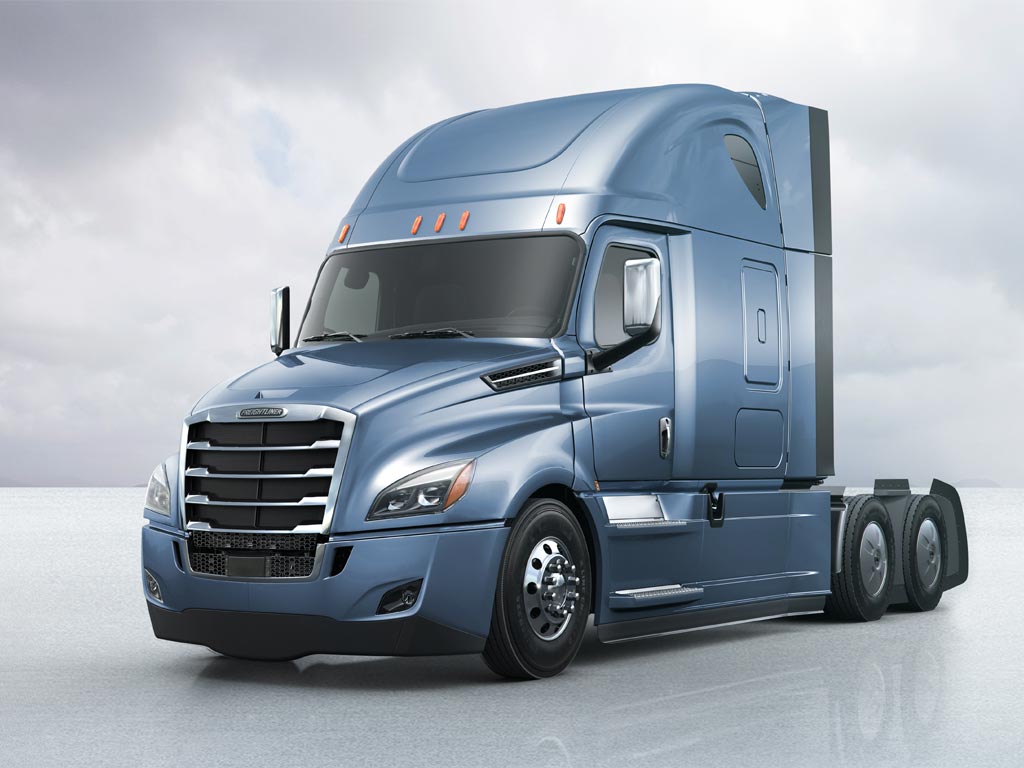
When Daimler Trucks North America launched the redesigned model year for long-haul fleets, it changed Class 8 vehicle standards permanently. The Freightliner Cascadia 2017 introduced advanced aerodynamics, integrated powertrain options, and early driver-assist electronics that reshaped fuel economy expectations across North American highways. Fleet operators evaluating used inventory or analyzing the evolution of modern freight transport still look to this specific production year as a foundational benchmark.
Navigating used commercial truck markets requires understanding how this vehicle handles long-term wear, Detroit powertrain integration, and aerodynamic maintenance. If you're managing older assets or considering a pre-owned highway tractor, you'll need to evaluate specific maintenance intervals, common mechanical failure points, and real-world fuel economy metrics compared to newer iterations. Let's examine what makes this heavy-duty tractor endure and where operators run into trouble.
Evolution of the 2017 Design and Aerodynamics
The 2017 model year marked a crucial bridge between legacy heavy-duty styling and modern aerodynamic efficiency. Engineers at Daimler wind-tunnel-tested every square inch of the cab exterior, hood contour, and chassis fairings to reduce drag coefficients significantly compared to previous generations.
- Optimized Sloped Hood: The redesigned hood profile directs airflow smoothly around the front wheels and under the chassis, minimizing turbulent drag at highway speeds.
- Integrated Side Extenders: Flexible aerodynamic side extenders close the gap between the tractor and trailer, reducing the high-pressure wake zone behind the cab.
- Cooling Package Integration: The grille design paired with a high-capacity radiator shroud ensures efficient airflow to the engine compartment while lowering thermal load during heavy climbs.
These aerodynamic improvements weren't just cosmetic. Fleets running interstate routes reported noticeable diesel fuel savings right away, especially when paired with automated manual transmissions. For detailed specifications on aerodynamic packages, you can review official documentation from Freightliner Trucks.
Powertrain Options and Performance Breakdown
Buyers of the 2017 Cascadia typically choose between Detroit Diesel DD13 and DD15 engines, paired with either manual gearboxes or the Detroit DT12 automated manual transmission. The integration of engine and transmission control units under the Detroit Integrated Powertrain umbrella defines how this truck drives and saves fuel.
Detroit DD13 and DD15 Performance
The DD13 serves regional haulers and weight-sensitive applications well, offering strong low-end torque while saving weight compared to its larger sibling. Meanwhile, the DD15 remains the backbone for long-haul cross-country operations, delivering peak torque at lower RPMs to keep engine wear down during sustained highway cruising.
- DD13 Specs: Typically rated from 370 to 470 horsepower, optimized for regional distribution and multi-stop routes.
- DD15 Specs: Ranging from 400 to 505 horsepower, engineered for heavy gross combined weight ratings and steep mountain passes.
The Detroit DT12 Transmission
The DT12 automated manual transmission eliminated traditional driver gear-shifting fatigue while optimizing shift points based on load, grade, and throttle position. While early iterations required proper software calibrations to prevent rough low-speed docking maneuvers, seasoned drivers appreciate its ability to drop into neutral during coasting intervals to maximize momentum.
Cab Ergonomics and Driver Comfort
Driver retention remains one of the largest operational expenses for trucking fleets. The 2017 Cascadia interior focused heavily on reducing operator fatigue through ergonomic layout adjustments, improved noise insulation, and redesigned sleeper compartments.
- Dashboard Layout: Switches, gauges, and climate controls wrap toward the driver, minimizing reach distance and distraction during long shifts.
- Sleeper Configurations: Options ranging from 48-inch mid-roofs to 72-inch raised-roof cabins provide ample storage, integrated workspace options, and high-density mattress supports.
- Noise Reduction: Multi-layer door seals and bulkhead sound deadening cut cabin decibel levels, allowing drivers to rest effectively during mandatory break periods.
Common Mechanical Issues and Maintenance Realities
Operating a heavy-duty truck from this vintage requires proactive maintenance, particularly around emissions control systems and electrical harnesses. Knowing what fails helps fleet managers schedule preventative repairs before unscheduled roadside breakdowns occur.
- Aftertreatment System (ATS) Wear: Diesel particulate filters and selective catalytic reduction units require routine cleaning and sensor checks. Defective NOx sensors or failing DEF doser valves can trigger derate codes.
- EGR Cooler Maintenance: Exhaust gas recirculation coolers demand inspection during major service intervals to prevent coolant leakage into the combustion chamber.
- Chassis Wiring Harnesses: Inspect harness routing near steering columns and frame rails where vibration can cause chafing over hundreds of thousands of miles.
Comparing the 2017 Cascadia to Modern Standards
While newer models feature advanced predictive analytics, fully digital instrument clusters, and expanded radar-camera sensor fusion, the mechanical architecture of the 2017 Cascadia remains remarkably serviceable. Independent mechanics and fleet shops find parts availability exceptionally high due to the sheer volume of these trucks on the highway.
When comparing a pre-owned 2017 unit against a brand-new model, the primary trade-off centers on upfront capital cost versus warranty coverage and advanced telematics integration. Older units allow fleet owners to avoid massive capital depreciation while maintaining reliable freight-hauling capability.
Frequently Asked Questions
What fuel economy can I expect from a 2017 Freightliner Cascadia?
Well-maintained units running the DD15 engine and DT12 transmission typically achieve between 7.0 and 8.5 miles per gallon, depending on load weight, topography, and driving habits.
Is the Detroit DT12 transmission reliable long-term?
Yes, provided clutch actuator maintenance and software updates are kept current. Neglected units can experience rough shifting or actuator failures around high mileage intervals.
Which engine is better for heavy loads: DD13 or DD15?
The DD15 is better suited for heavy gross weight applications above 80,000 pounds and mountainous terrain due to its higher displacement and broader torque curve.
How does the 2017 model differ from older Cascadia generations?
The 2017 model introduced refined aerodynamic body panels, updated Detroit powertrain software integration, and enhanced cab insulation that significantly reduced highway cabin noise.



