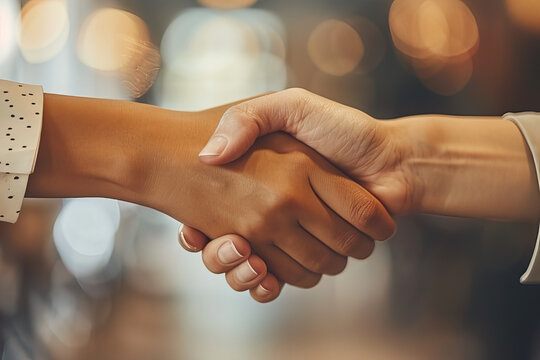
If you have ever watched two Freemasons greet one another, you might have noticed a subtle adjustment in their grip during a handshake. Popular culture loves to turn these gestures into grand conspiracies, framing them as secret keys to world domination. In reality, the traditional handshakes of Freemasonry served a very practical, historical purpose long before modern identification cards or digital registries ever existed.
Freemason handshakes are tactile passwords used by members to recognize one another across different lodges and regions. During the era of operative masonry—when medieval stone masons traveled across Europe to build cathedrals—craftsmen needed a reliable way to prove their skill level, whether they were an Entered Apprentice, a Fellow Craft, or a Master Mason. Because these stonemasons were illiterate, they relied on secret grips, words, and signs rather than written credentials to communicate their qualifications to prospective employers.
The Historical Origin of Masonic Grips
In medieval Europe, stonemasons moved from town to town looking for work on massive building projects like castles and Gothic cathedrals. There was no centralized licensing board, no LinkedIn profile, and no human resources department to verify a mason's training. If a stranger showed up at a construction site claiming to be a skilled master builder, the project supervisors needed a way to test his claims.
Lodges were established at building sites to house workers and regulate the trade. To ensure that impostors could not claim the wages of a trained artisan, these lodges developed a system of recognition. The grips, or "tokens," were closely guarded secrets passed down through oral tradition. A mason would take a prospective employer or fellow brother by the hand and apply a specific pressure or thumb placement. If the recipient responded with the correct counter-grip and associated word, both parties immediately knew each other's rank and level of proficiency within the fraternity.
As operative stonemasonry declined and transformed into speculative or "gentleman" Freemasonry during the 17th and 18th centuries, these practical trade customs were preserved. They shifted from tools of professional verification to symbolic allegories centered on moral instruction, self-improvement, and fraternal bonding.
Understanding the Three Core Degrees
Modern Freemasonry is structured around a progression of degrees, each representing a stage in moral and intellectual development. The three fundamental degrees of Blue Lodge Freemasonry each feature a distinct handshake, known in the fraternity as a "penal sign" or token.
The Entered Apprentice Grip
The first degree is the Entered Apprentice, representing youth and the beginning of architectural and moral education. The handshake for this degree involves pressing the top of the thumb against the knuckle of the first joint of the other person's hand.
This gesture is accompanied by a specific word that is whispered rather than spoken aloud in open lodge. The emphasis at this stage is on learning the fundamental principles of the craft, controlling passions, and laying the groundwork for a virtuous life.
The Fellow Craft Grip
The second degree is the Fellow Craft, representing adulthood and working life. The grip for this degree shifts the thumb to the second joint of the hand.
This token signifies a deeper engagement with the arts and sciences, particularly geometry, which historical masons used to design structures. The transition in hand placement visually and physically represents climbing the steps of knowledge and taking on greater responsibilities within the lodge and the community.
The Master Mason Grip
The third degree is the Master Mason, representing maturity and leadership. The Master Mason grip involves a firm grasp where the fingers are placed around the wrist or a specific interlocking of fingers, depending on the specific jurisdictional ritual being used.
This degree focuses on themes of mortality, legacy, and integrity. The handshake serves as the ultimate marker of trust among members, signifying that the individual has completed the foundational journey of the craft.
Separating Fact From Fiction
Because Freemasonry historically kept its internal rituals private, outsiders spent centuries speculating about what went on behind closed doors. This secrecy birthed numerous myths that persist today.
Many conspiracy theories claim that these handshakes allow members to influence courtrooms, rig elections, or secure financial bailouts from secret brothers. Historical and sociological research paints a much simpler picture. Freemasonry is, at its core, a fraternal and charitable organization. While members often form strong personal bonds—much like alumni of a university or members of a service club like Rotary International—the grips do not function as magical get-out-of-jail-free cards.
Furthermore, most Masonic rituals, including the words and grips associated with the traditional degrees, have been published in exposé books and online for well over two centuries. Anyone with an internet connection can read the historical texts detailing these practices. They remain secret only in the sense that members choose to respect the traditions of their fraternity by not performing them casually in public.
Common Misconceptions About Masonic Recognition
- They are used in daily business: Masons do not use secret grips to conduct everyday commerce, secure jobs, or interact with strangers on the street. These gestures are strictly reserved for ritualistic work inside a tiled lodge room.
- They are legally binding: A Masonic handshake does not override civil law, nor does it obligate a member to protect another member who has committed a crime. Grand Lodges explicitly state that loyalty to one's country and adherence to the law supersede any fraternal obligation.
- They are unique to Freemasonry: Many fraternal organizations, college fraternities, and historical guilds adopted similar token systems in the 19th and 20th centuries to build camaraderie and mark membership milestones.
To learn more about the broader history of fraternal groups and their cultural impact, you can explore resources provided by the Grand Lodge of British Columbia and Yukon, which maintains extensive historical archives on the evolution of the craft. For an academic perspective on how these societies shaped civil discourse, consult historical overviews available through the Library of Congress.
Frequently Asked Questions
Are Masonic handshakes illegal or dangerous?
No. Freemasonry is a legal, recognized fraternity operating openly around the world. The handshakes are simply private ritual traditions used by members during lodge meetings, similar to the secret handshakes or rituals found in many collegiate and civic organizations.
Can anyone learn these handshakes?
Yes. While members promise during their initiations not to publicly broadcast the specific details of ritual work, centuries of anti-masonic writing, exposés, and modern internet resources have made the historical texts widely accessible to the public.
Why do Freemasons keep their rituals private if they aren't harmful?
The privacy is largely traditional and experiential. By keeping certain elements exclusive to the initiation process, the fraternity creates a shared, memorable experience for new members, emphasizing the value of trust, dedication, and active participation in the group's charitable mission.
Do women participate in these traditions?
Mainstream traditional Freemasonry is open exclusively to men, a rule derived from its roots in medieval trade guilds. However, there are concordant bodies and co-masonic jurisdictions, such as Le Droit Humain, that initiate both men and women and practice similar historical rituals.



