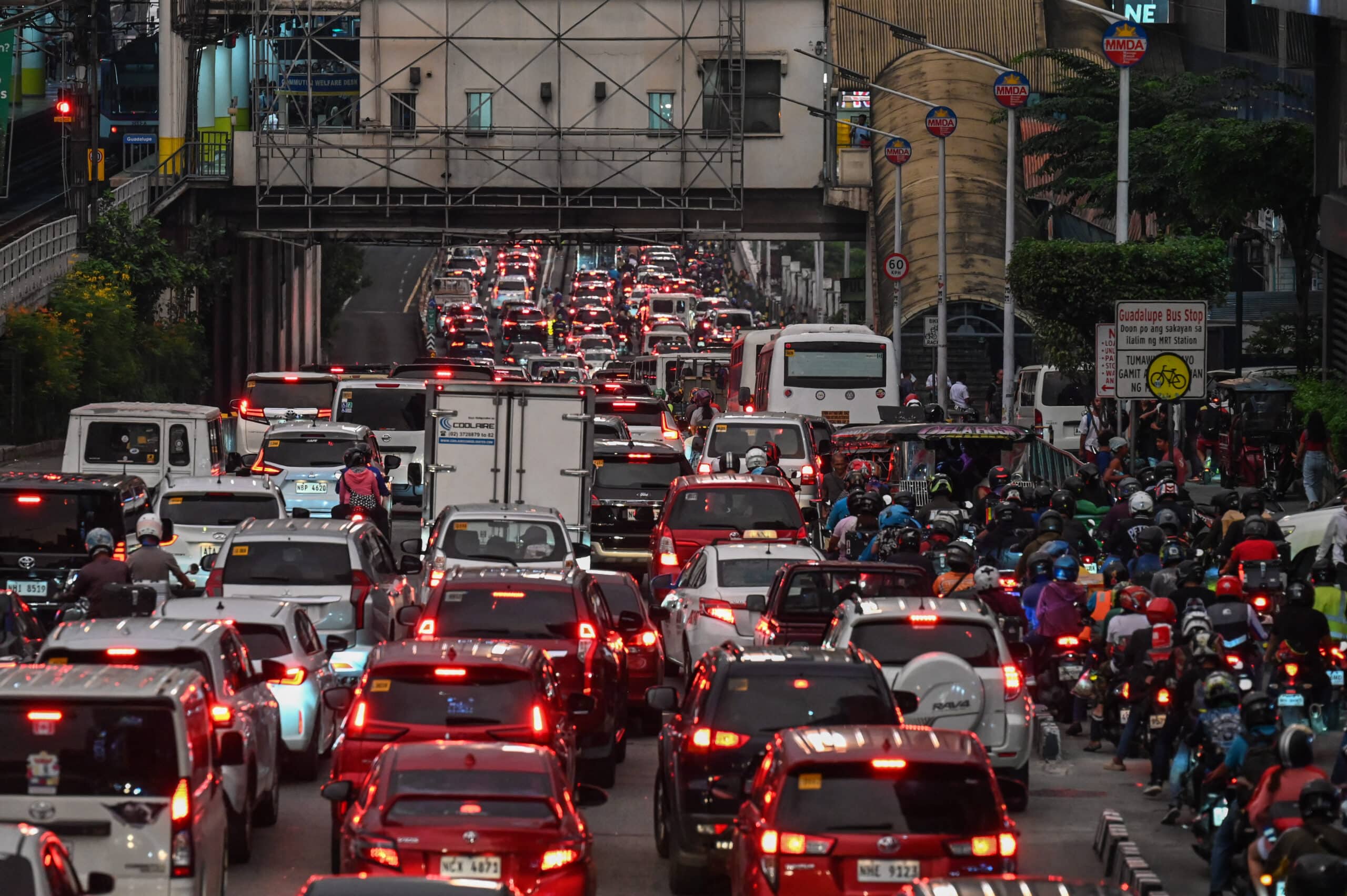
Frederick sits at a high-stakes geographical crossroads where major interstate arteries converge, turning the local commuting experience into a daily exercise in patience. If you drive through the region during peak hours, you already know the pinch points along Interstate 70, Interstate 270, and U.S. Route 15. Rapid suburban growth and regional expansion have turned this part of Maryland into a major bottleneck zone, leaving residents searching for reliable ways to bypass gridlock and make sense of ongoing regional projects.
Understanding the root causes of the congestion and tracking upcoming infrastructure milestones helps you reclaim hours from your weekly commute. Let's examine why this corridor stalls out, which projects aim to fix it, and how you can optimize your daily transit routes right now.
Anatomy of the Frederick Growth Corridor
The region's traffic challenges stem from a classic mismatch between historic road designs and modern population surges. Frederick County remains one of the fastest-growing areas in Maryland, fueled by families and professionals seeking more affordable housing while commuting toward Montgomery County, Washington, D.C., or Baltimore.
Several critical highways form the backbone of this network:
- Interstate 270: Serves as the primary tech-and-government artery heading south toward Bethesda and Washington, choking down significantly where it meets I-70.
- U.S. Route 15: Carries heavy north-south traffic from Pennsylvania down through Frederick, creating intense merge friction near the historic district and 7th Street.
- Interstate 70: Connects east-west transit from Hagerstown toward Baltimore, crossing paths with local commerce and commuter traffic right through the heart of the city.
When these routes intersect, weave patterns become hazardous and capacity breaks down entirely. Morning rushes heading south and evening surges returning north push the infrastructure past its designed breaking point.
Major Bottlenecks and Why They Fail
Drivers don't just face random delays; specific interchange designs create predictable daily failures. Recognizing these trouble spots lets you anticipate slowdowns before you hit them.
The I-270 and I-70 Merge
As I-270 terminates and feeds into I-70 on the eastern side of the city, lanes narrow and merging traffic creates immediate rubbernecking. Drivers heading west on I-70 who need to shift toward US 15 must cross multiple lanes of fast-moving traffic over a very short distance. This weave section routinely stalls traffic for miles back toward Mt. Philip Road.
The US 15 Corridor Through Town
Between I-70 and MD 26, US 15 functions as a local and regional highway simultaneously. Local drivers running errands mix with long-haul freight trucks and interstate commuters. Because many ramps lack adequate acceleration and deceleration lanes, vehicles entering the highway must force their way into heavy traffic traveling at highway speeds.
Active Infrastructure Solutions and Timelines
Relief is moving through the pipeline, though large-scale civil engineering projects take years to materialize. The Maryland Department of Transportation State Highway Administration (MDOT SHA) has prioritized several key upgrades to address these exact failures.
The prominent MDOT SHA US 15 expansion project focuses on widening the highway from two lanes to three in both directions between I-70 and MD 26. This initiative includes bridge widenings, updated stormwater management, and modernized Intelligent Transportation Systems (ITS) to monitor real-time congestion. Design milestones have pushed toward final reviews, with major construction slated to begin.
Similarly, local municipal efforts target non-highway alternatives. The City of Frederick transportation priorities emphasize multimodal access along the Golden Mile (US 40) and extended local loops like Monocacy Boulevard and Christopher's Crossing to distribute internal city traffic away from the main interstates.
Smart Strategies to Outsmart Corridor Gridlock
While state agencies work on long-term engineering fixes, you still have to get to work tomorrow morning. Adapting your daily routine requires tactical shifts in timing and routing.
- Shift your departure windows by thirty minutes: Leaving even slightly ahead of the peak rush hour window can save you twenty minutes on I-270.
- Leverage local arterial bypasses: When the interstates lock up due to an incident, using local bypass segments like Monocacy Boulevard helps you navigate around absolute standstills, provided local construction isn't active.
- Monitor real-time incident feeds: Keep an eye on the Maryland CHART incident map before walking out the door to check for stalled vehicles or shoulder closures.
- Explore regional transit options: If your schedule allows, utilizing the MARC Train service from local stations offers a stress-free alternative that completely bypasses highway rubbernecking.
Common Commuter Missteps
Drivers trying to escape traffic often fall into traps that worsen their commute times or create safety hazards.
The most common mistake is blindly trusting standard GPS routing apps when a major highway locks down. Navigation algorithms often dump thousands of cars onto small residential roads simultaneously, turning quiet neighborhoods into gridlocked side-street parking lots. If secondary roads are already at capacity, staying on the highway or waiting out the delay in a park-and-ride lot is often faster.
Another error is ignoring local municipal road closure updates. City infrastructure maintenance and utility work frequently close lanes on connectors like Thomas Johnson Drive or Monocacy Boulevard. Checking Frederick County road closures before altering your normal route prevents you from getting trapped by unexpected dead ends.
Frequently Asked Questions
Why is traffic in Frederick so heavy during weekends?
Beyond standard weekday commuting, Frederick acts as a major recreational gateway. Traffic spikes heavily on Friday afternoons and Sunday evenings as travelers move between Western Maryland, West Virginia, and the Baltimore-Washington metropolitan areas.
When will the US 15 widening project finish?
Design and utility relocation phases span multiple years. With construction preparations actively underway, full completion of the multi-phase widening will take several years once heavy civil work begins.
Are there alternative public transit options to get to Montgomery County?
Yes. Many commuters drive to local MARC stations or use commuter bus services operated by the Maryland Transit Administration to travel south without driving the length of I-270.
How can I report a dangerous bottleneck or traffic light timing issue?
You can submit road concern tickets and feedback directly through the City of Frederick website or contact MDOT SHA directly for state-maintained numbered routes.



