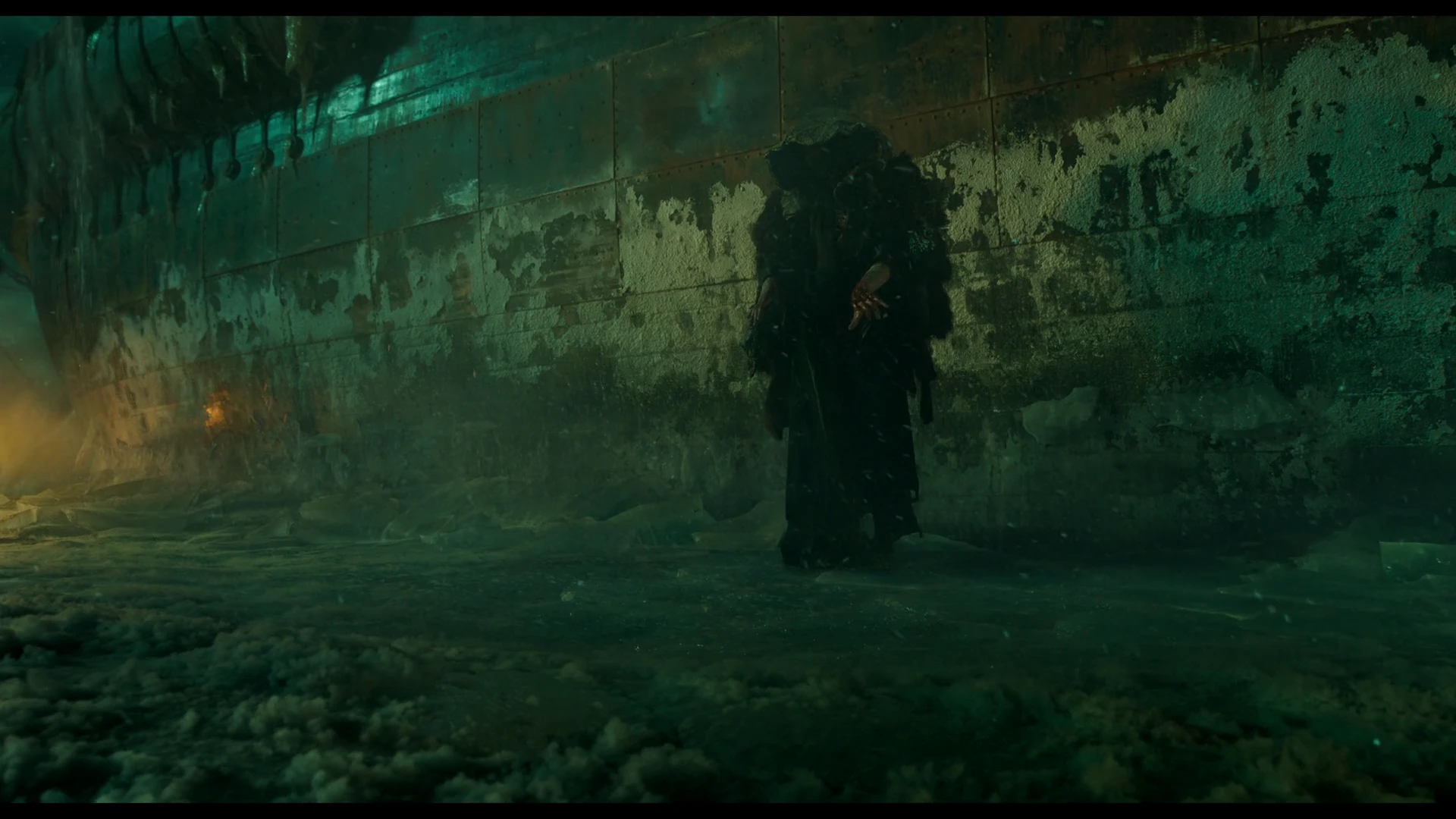
Frankenstein SparkNotes guides offer a fast way to digest Mary Shelley's 1818 gothic masterpiece, but summaries often flatten the book's psychological depth. If you're trying to understand Victor Frankenstein, his nameless creation, and the moral nightmare they share without getting bogged down in 19th-century prose, you need a breakdown that goes beyond basic plot points.
Mary Shelley wrote the novel when she was just 18 years old during a rainy summer in Switzerland alongside Percy Bysshe Shelley and Lord Byron. What started as a ghost story competition turned into a foundational text of science fiction and romanticism. When study guides like SparkNotes map out the narrative, they track a tragedy born of unchecked ambition, parental abandonment, and societal prejudice.
Decoding the Plot: The Core Narrative Structure
The story is told through an epistolary frame. Captain Robert Walton writes letters to his sister, Margaret Saville, while leading an expedition to the North Pole. His ship rescues a freezing, exhausted Victor Frankenstein, who then recounts his life story as a warning.
Victor grows up in Geneva, obsessed with natural philosophy and the secrets of life. At the University of Ingolstadt, he masters chemistry and discovers a technique to imbue non-living matter with life. Horrified by the eight-foot-tall creature he brings into existence, Victor flees his laboratory.
The creature learns to speak, read, and understand human emotion by secretly observing a poor family living in a cottage. When he attempts to befriend them, they beat him away in terror. Embittered by constant rejection, the creature vows revenge on Victor. He murders Victor's younger brother William, frames a servant named Justine for the crime, and later kills Victor's best friend Henry Clerval and new bride Elizabeth Lavenza.
Victor chases his creation north across the ice fields to destroy him. After finishing his tale to Walton, Victor dies. The creature boards the ship, expresses deep remorse for his crimes, and leaves into the arctic darkness to end his own life.
The Madman: Victor Frankenstein's Hubris
Study guides often label Victor as a mad scientist, but his madness isn't supernatural—it's psychological. He suffers from extreme isolation and an ego that refuses to accept natural boundaries.
Victor's fatal flaw is hubris. He seeks glory by conquering death, yet he lacks the emotional maturity to care for what he creates. The moment the creature opens its yellow eyes, Victor abandons it. This act of parental abandonment sets the entire moral nightmare in motion.
Psychologically, Victor projects his own guilt onto the creature. Every time the monster strikes, Victor suffers severe physical illness and nervous breakdowns. He cannot take responsibility for his actions, preferring to view himself as an innocent victim of an external curse rather than the architect of his own ruin.
The Monster: Victim or Villain?
The creature is one of literature's most complex figures. SparkNotes and traditional study aids often refer to him simply as "the monster," but Shelley never gives him a name. This anonymity forces readers to question who the true monster is—the creature born innocent who learns cruelty from humanity, or the creator who abandons him.
When the creature first awakens, he's like a newborn child. He feels wonder, seeks warmth, and tries to connect with people. He saves a young girl from drowning, only to be shot by a peasant for his trouble.
His transition from a benevolent observer to a vengeful killer highlights a central theme of the novel: society creates its own monsters through cruelty and marginalization. The creature's eloquent speeches to Victor rival any philosophical argument found in works by John Milton, whose epic poem Paradise Lost serves as a primary framework for the creature's worldview.
Core Themes Driving the Narrative
The Danger of Knowledge
Victor's pursuit of scientific advancement happens without ethical guardrails. Shelley warns that when humanity pursues power without responsibility, disaster follows. This theme echoes contemporary debates surrounding modern biotechnology and artificial intelligence.
Isolation and Companionship
Isolation destroys both main characters. Victor isolates himself in his laboratory, cutting off family and friends. The creature experiences absolute loneliness, begging Victor for a female companion. When Victor destroys the second creature halfway through construction, he seals his own doom.
Nature versus Nurture
Shelley challenges the romantic notion that humans are born inherently good. The creature starts life with a gentle disposition, but society's visceral hatred twists him. The novel suggests that environment, empathy, and social conditioning shape human behavior far more than innate biology.
Common Misconceptions to Avoid in Essays
If you're writing an essay or preparing for an exam, watch out for these frequent errors:
- Calling the creature Frankenstein: Frankenstein is the creator, not the creation. The creature remains nameless throughout the book.
- Assuming electricity brings the creature to life: While the 1931 Universal Pictures film adaptation famously uses lightning and electrical equipment, Shelley's original novel never specifies the exact scientific method. She deliberately keeps the procedure vague, focusing on the psychological aftermath rather than the lab mechanics.
- Viewing Walton as a neutral narrator: Robert Walton mirrors Victor's dangerous ambition. He risks his crew's lives for glory, though he ultimately learns from Victor's mistakes and turns his ship around.
Frequently Asked Questions
Why does Victor refuse to name his creation?
Refusing to name the creature is Victor's ultimate act of dehumanization. By treating the being as an object or an abomination rather than an individual, Victor shirks any paternal duty.
What role does nature play in the novel?
The natural world serves as a sanctuary and a mirror for Victor's emotional state. Towering mountains, icy wastes, and serene lakes reflect the sublime power of the universe, contrasting sharply with the sterile, obsessive confines of Victor's laboratory.
Why is Robert Walton's framing narrative important?
Walton's letters create a framing device that distances the reader from the main story while validating its warnings. Walton shares Victor's dangerous ambition to conquer the unknown, making him the direct recipient of Victor's cautionary tale.
How does Paradise Lost influence the story?
The creature reads Paradise Lost and identifies with both Adam and Satan. Like Adam, he has no mother or father to guide him. Like Satan, he feels cast out from heaven by a creator who hates him, driving his desire for revenge.



