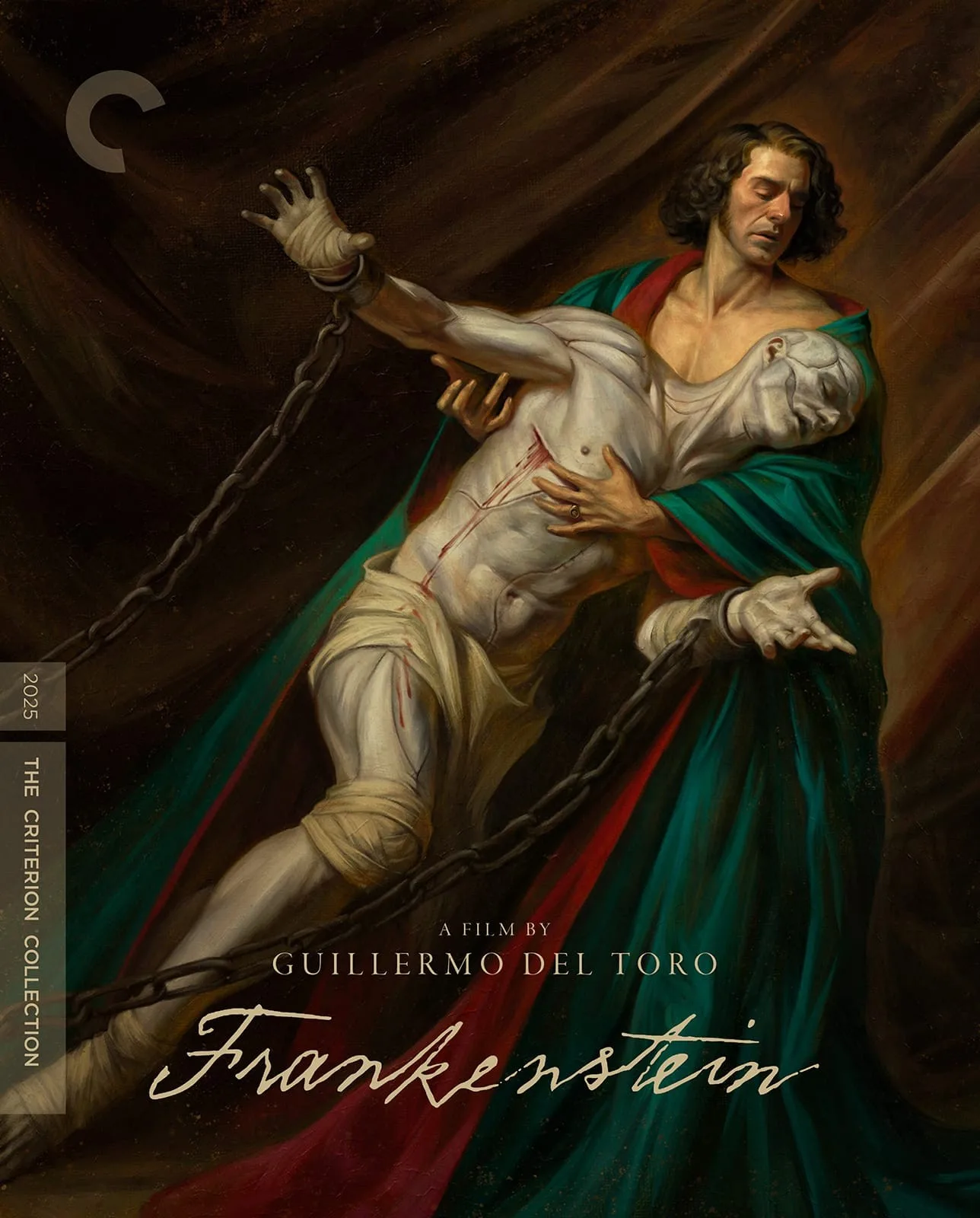
Mary Shelley published Frankenstein; or, The Modern Prometheus in 1818, establishing a foundational blueprint for science fiction and Gothic horror. If you're consulting study guides like SparkNotes to parse its complex narrative layers, you'll encounter a sweeping meditation on unchecked ambition, parental abandonment, and societal prejudice.
The book isn't a simple monster tale. It's a structured philosophical warning about what happens when creators refuse to take responsibility for what they bring into the world. Let's break down the actual mechanics of Shelley's masterpiece, look past basic plot summaries, and answer the core thematic questions that traditional study notes often gloss over.
The Epistolary Frame: Why Walton Matters
Most readers want to skip Robert Walton's opening letters to dive straight into Victor's laboratory experiments. That's a mistake. Shelley uses an epistolary frame—letters written by an ambitious sea captain trapped in Arctic ice—to mirror Victor's fatal flaw.
Walton is desperate for glory. He wants to chart a northern passage and claim fame, writing:
"I would sacrifice my fortune, my existence, my every hope, to the furtherance of my enterprise."
Sound familiar? Walton acts as a narrative buffer. He listens to Victor's dying confession not just as a captive audience, but as a cautionary mirror. Shelley establishes this nested structure (Walton writing to his sister, recording Victor, who records the Creature) to force us to question the reliability of every narrator. Nobody in this novel possesses total objectivity.
Victor Frankenstein: Hubris, Guilt, and Avoidance
Victor isn't an evil mad scientist in the classic cinematic mold. He's a gifted, obsessive young scholar at the University of Ingolstadt driven by grief over his mother's death and a desire to conquer mortality.
When he successfully animates his eight-foot-tall creation using dead tissue and electricity, his immediate reaction isn't triumph—it's visceral panic. He abandons the creature instantly.
[Ambition] ---> [Creation] ---> [Instant Panic & Flight] ---> [Tragic Fallout]
This flight response is Victor's true moral crime. He treats his sentient creation like defective trash simply because it doesn't match his aesthetic ideals. Throughout the novel, Victor suffers severe physical and mental collapses whenever his guilt catches up to him. He keeps his creation a secret because he fears social judgment more than he fears the consequences of his own negligence.
The Creature: Innocence, Education, and Vengeance
Misconceptions plague the Creature. He doesn't start life as a murderous brute. He wakes up with the cognitive and emotional capacity of a newborn infant, utterly alone, freezing, and terrified.
His education forms one of the most brilliant psychological subplots in 19th-century literature. Hiding near a modest cottage inhabited by the De Lacey family, the Creature secretly learns to speak and read. He studies three pivotal texts:
- John Milton's Paradise Lost (shaping his understanding of creation, fall, and isolation)
- Johann Wolfgang von Goethe's The Sorrows of Young Werther (teaching him deep emotional empathy and despair)
- Plutarch's Lives (introducing him to complex human politics and virtue)
When he attempts to introduce himself to the blind patriarch of the family, he is beaten and driven away by the sighted relatives. Every subsequent act of violence—including the murders of Victor's younger brother William and his best friend Henry Clerval—stems directly from systemic rejection.
As the Creature asks Victor with heartbreaking clarity:
"I am malicious because I am miserable. Am I not shunned and hated by all mankind?"
Core Themes Beyond the Basic Summary
The Modern Prometheus
Shelley's subtitle invokes the Greek Titan Prometheus, who stole fire from the gods to gift it to humanity, enduring eternal torture as punishment. Victor steals the "spark of existence" from nature. Yet unlike the mythological Prometheus, who suffered to benefit mankind, Victor acts entirely out of selfish intellectual vanity. His "fire" destroys everyone he loves: Justine, Elizabeth, Clerval, and his father.
Nature versus Nurture
Shelley challenges Enlightenment-era ideas about inherent human nature. The Creature is born with a tabula rasa—a blank slate—capable of tenderness and awe. Society's refusal to look past his physical grotesqueness carves him into a weapon.
Dangerous Knowledge
Both Walton and Victor push past natural boundaries in pursuit of forbidden knowledge. Shelley warns that scientific and intellectual pursuits must remain tethered to ethical responsibility and community care. When science isolates us from human empathy, it becomes destructive.
Frequently Asked Questions
Why doesn't the Creature have a name?
Shelley never gives the Creature a name, referring to him as "monster," "daemon," "wretch," or "creature." This anonymity is intentional. It strips him of humanity and forces Victor—and the reader—to confront the failure of parental recognition.
Is Frankenstein a Gothic novel or science fiction?
It bridges both genres. It utilizes Gothic tropes—stormy weather, ruined settings, nocturnal terror, unburied secrets—while pioneering science fiction by grounding its premise in pseudo-scientific experimentation rather than supernatural magic.
Why does the Creature demand a female companion?
He feels an unbearable, singular isolation. He asks Victor to construct a female mate, promising that they will retreat to the wilds of South America away from human civilization. Victor initially agrees, but destroys the half-finished female out of fear that they might reproduce and doom humanity.
What is the significance of the Arctic setting?
The framing narrative takes place in the frozen, desolate Arctic. This physical isolation mirrors the emotional and moral freezing that both Walton and Victor experience as a result of their obsessive isolation from human connection.
If you want to dive deeper into how Mary Shelley's personal life—including the loss of her children and her relationship with Percy Bysshe Shelley—inspired the text, check out the British Library's Literary Heritage resources.



