When Pixar released A Bug's Life in November 1998, audiences expected a clever comedy about ants. They got that, but they also found an unexpected emotional core in Francis, the theatrical, hot-headed ladybug voiced by Denis Leary. While the film centers on Flik the ant, Francis remains the secret weapon of the narrative—a character who subverts gender stereotypes, challenges societal assumptions about strength, and anchors the film's message about identity.
The primary keyword ladybug in a bugs life refers directly to Francis, whose entire arc revolves around people constantly misidentifying him as a female because of his species. Far from being a background gag, this running joke serves as a smart vehicle for exploring frustration, pride, and fierce loyalty. This analysis breaks down Francis's role, the technical hurdles of animating him in early 3D computer graphics, and why he resonated so deeply with a generation of kids growing up in the late nineties.
Who Is Francis in A Bug's Life?
Francis is a male ladybug working as part of P.T. Flea's circus troupe. He's easily recognizable by his bright red shell, black spots, and permanent scowl. The defining conflict of Francis's introduction is his immediate, aggressive defensiveness whenever someone mistakes him for a girl.
"So I'm a guy! Sue me!"
— Francis, defending his gender identity to Heimlich and the audience
This running gag works because the film treats Francis's masculinity with absolute confidence while letting the humor stem from the absurdity of rigid expectations. He's fiercely protective of his friends, takes immense pride in his professional performance as a nursemaid (when he's forced to babysit the blueberry scout ants), and possesses a short fuse that makes him ready to fight any grasshopper foolish enough to threaten Ant Island.
For kids watching in 1998, Francis provided a refreshing counter-narrative. He showed that tough, protective characters didn't have to fit traditional stoic molds, and that sensitivity to how you're perceived doesn't make you any less formidable. You can read more about the studio's historical development and character pipelines on the Pixar Animation Studios official site.
The Subversion of Stereotypes and Toxic Masculinity
In 90s media, male characters who displayed nurturing traits or faced misidentification were frequently used as the butt of cheap jokes. A Bug's Life flipped that dynamic on its head. When Francis is assigned to protect the rowdy ant children—the Blueberries—he initially resists, complaining that it ruins his tough-guy reputation.
However, his arc shifts quickly into genuine mentorship. He doesn't soften his exterior; instead, he channels his intensity into keeping the kids safe and teaching them how to stand up for themselves.
- Emotional Honesty: Francis doesn't hide his anger, but he also doesn't hide his affection for his circus family.
- Embracing Caregiving: He takes pride in nursing the injured and protecting the vulnerable, proving that strength and nurturing coexist naturally.
- Resilience Under Ridicule: He faces constant misgendering from outsiders, yet he never backs down from asserting his identity.
This balance made Francis a memorable figure for young viewers navigating their own complex feelings about identity and social pressure.
Technical Innovation: Animating Francis in 1998
Creating Francis wasn't just an artistic challenge; it was a massive computational hurdle for Pixar in the late nineties. Following Toy Story, the studio wanted to tackle organic surfaces, complex lighting, and massive crowds of independent characters.
Francis presented specific material challenges. His red carapace required a high-gloss shader that could reflect the environment realistically without looking like plastic. Animators had to write custom code to simulate how light interacted with a curved, shiny exoskeleton under varying desert conditions.
Furthermore, Francis’s physical build—a round body paired with thin, articulated legs and delicate wings—required precise rigging. The team at IMDb documents how the production pushed rendering farms to their absolute limits to capture the texture of insect shells, grass blades, and soil particles. Every black spot on Francis's back had to remain anchored through dynamic movement, preventing texture stretching as he walked, flew, or yelled at Hopper's gang.
Why Francis Defined a Generation of Dreams
For children of the late 90s, A Bug's Life captured a specific flavor of underdog optimism. Francis wasn't the chosen one, nor was he the brilliant inventor. He was an itinerant performer who chose to stand up against overwhelming odds simply because it was the right thing to do.
When the circus troupe realizes the ants are in mortal danger, Francis doesn't hesitate to jump into the fray. His loyalty to Flik cements the theme that community isn't built on conformity, but on embracing individuals with vastly different temperaments.
- Accepting Flaws: Francis accepts his own hot-headed nature while learning when to channel it constructively.
- Found Family: He treats his fellow circus bugs with unwavering loyalty, modeling healthy platonic bonds.
- Standing Tall: He uses his physical presence—small though it is—to intimidate bullies, proving that courage is a choice rather than a matter of scale.
Check out historical context and retrospectives on the era via the Library of Congress digital collections covering late-20th-century media milestones.
Frequently Asked Questions
Why is Francis always mistaken for a girl in A Bug's Life?
The joke stems from the stereotype that ladybugs are exclusively female, combined with Francis's job working in a circus troupe where appearance and theatricality matter. His short temper regarding the mix-up became his defining comedic trait.
Who voiced Francis the Ladybug?
Francis was voiced by actor and comedian Denis Leary, known for his fast-talking, sharp-edged delivery which gave the character his signature sarcastic bite.
Is Francis based on a real insect species?
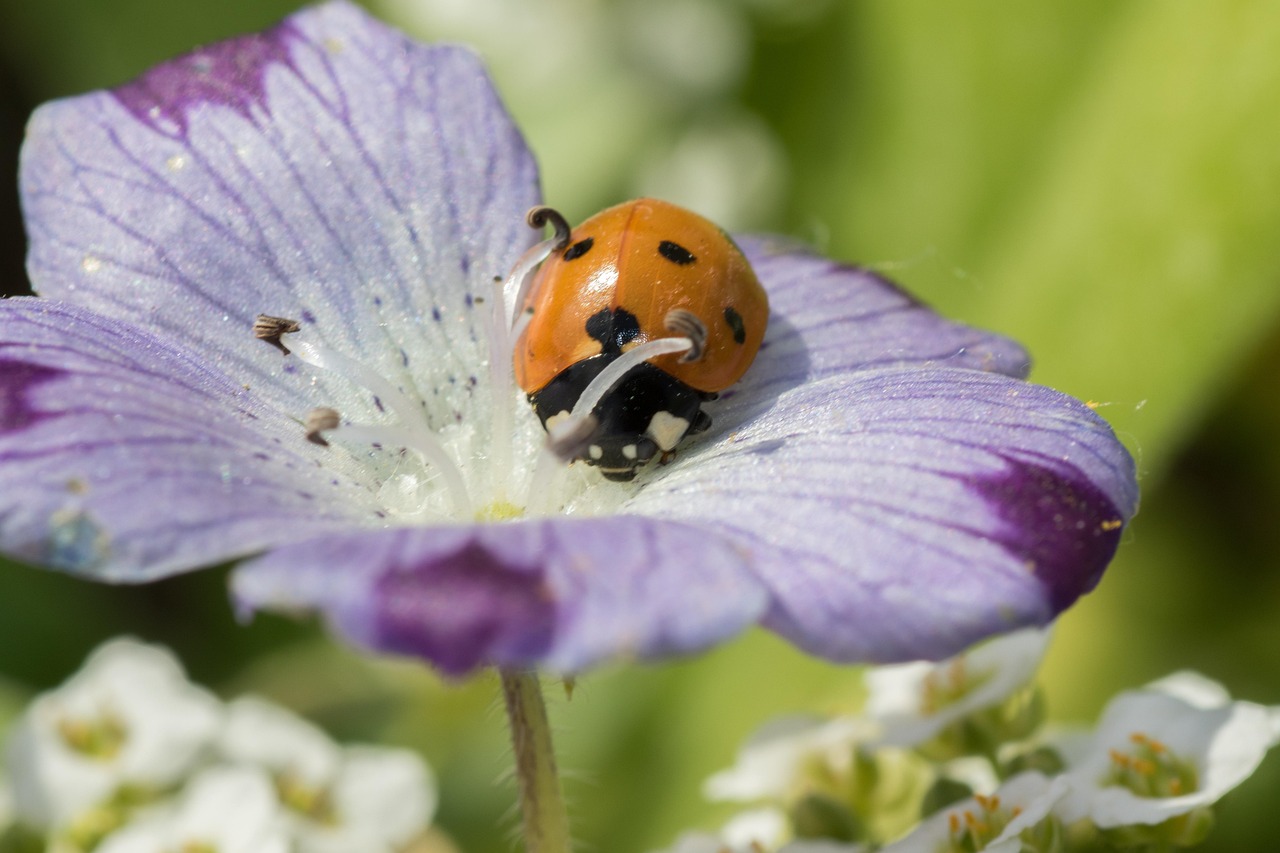
Yes, Francis is designed after the seven-spot ladybird (Coccinella septempunctata), though heavily anthropomorphized with expressive eyes, articulated hands, and the ability to stand upright.
What role does Francis play in the final battle against Hopper?
Francis uses his flying ability and circus training to help orchestrate the distraction that frees the queen and turns the tide against Hopper's grasshopper army, validating his worth as a protector.


