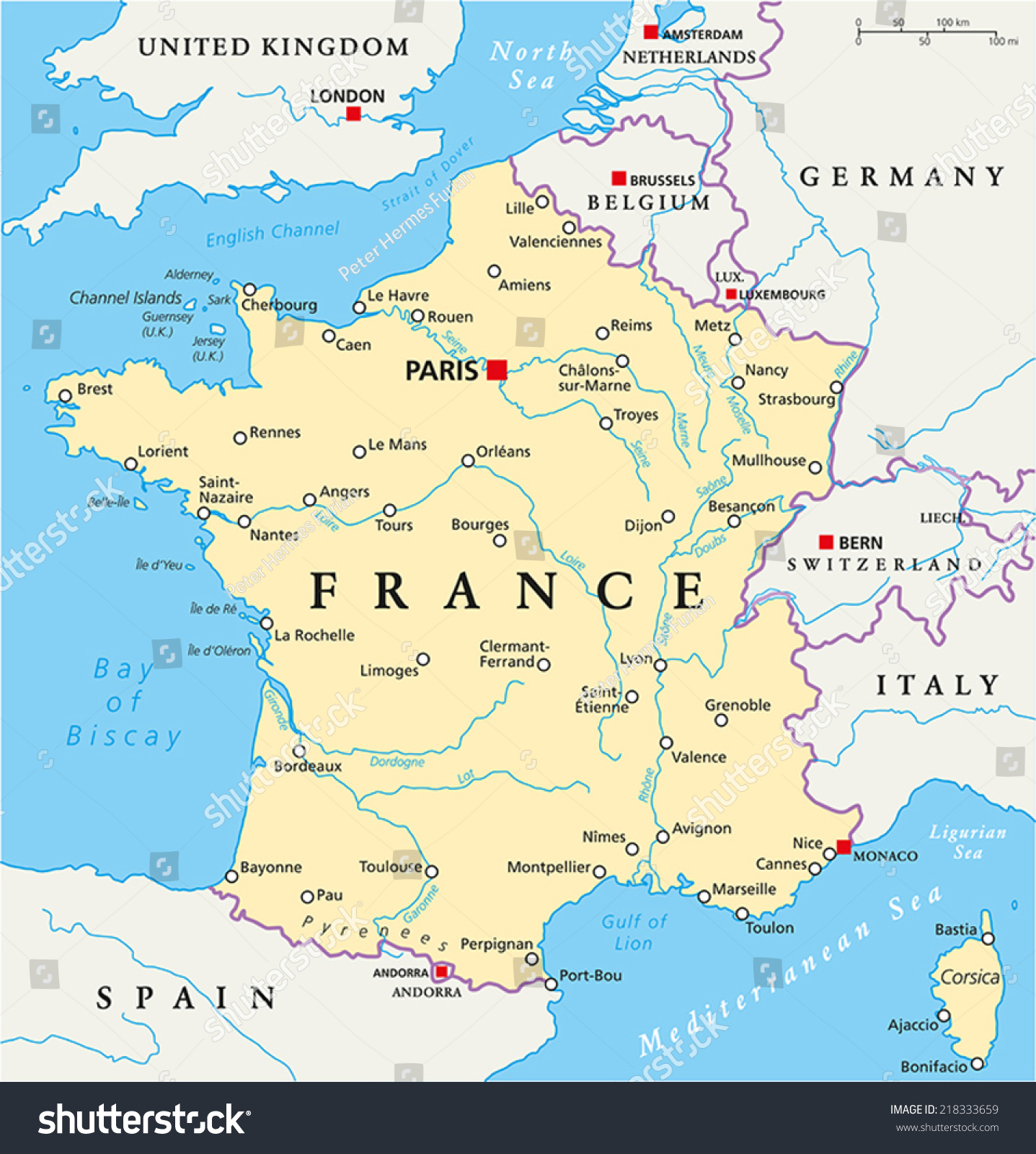
Comparing France and Texas reveals an unexpected matchup between a historic European nation and a sprawling American state. While France spans roughly 211,209 square miles of metropolitan land, Texas covers about 268,597 square miles, making the Lone Star State roughly 28% larger. Yet population numbers flip the script: France houses over 68 million residents, whereas Texas counts roughly 30 million. This structural divergence dictates everything from daily lifestyle habits and career opportunities to urban density and public infrastructure.
Economic output and societal safety nets drive the core debate between these two regions. Texas operates on a high-growth, business-friendly model featuring no state personal income tax and massive energy production, drawing entrepreneurs and ambitious workers. France relies on a social democratic framework anchored by robust public healthcare, extensive labor protections, and state-funded social support systems. Choosing which region reigns supreme depends entirely on whether you prioritize individual wealth accumulation or collective public security.
Geographic Footprint and Urban Dynamics
Surface area comparisons often surprise travelers because mainland France and Texas occupy a similar scale on a world map, even though Texas takes the crown in total acreage. However, population distribution creates radically different living environments.
France concentrates millions of residents into historic urban cores like Paris, Lyon, and Marseille, connected by an extensive high-speed rail network (TGV). Public transit dominates French commuting habits, allowing people to live car-free or car-lite lives.
Texas spreads its population across massive metropolitan expanses like Houston, Dallas-Fort Worth, Austin, and San Antonio. Distances are vast, and urban design heavily favors automotive transit. Driving hundreds of miles while staying within state borders is a routine weekend occurrence for Texans, whereas crossing France from north to south takes a comparable amount of geographic traversal.
Economic Engines and Career Markets
The economic structures of France and Texas reflect two distinct philosophies of commerce and taxation.
- Texas Economy: Powered by oil and gas, tech hubs, aerospace manufacturing, and real estate, Texas boasts a booming gross domestic product that rivals many sovereign nations. The absence of a state income tax allows workers to retain more of their paychecks, fueling rapid corporate relocations and housing development.
- France Economy: Anchored by aerospace, luxury goods, agriculture, and nuclear energy, France champions a heavily regulated corporate environment. Worker protections are strict, statutory annual paid leave is generous, and corporate structures emphasize job security over rapid entrepreneurial turnover.
For high-earning professionals or aggressive risk-takers, Texas offers unmatched upside. For risk-averse workers seeking predictable stability and strong work-life boundaries, France provides a safer floor.
Daily Lifestyle and Cultural Philosophies
Daily routines in France and Texas diverge sharply around food, community spaces, and leisure time.
France treats dining as a ritual. Neighborhood markets dictate daily grocery shopping, meals are drawn out over hours of conversation, and walking or cycling forms an integrated part of everyday physical activity. Vacation culture is sacred, with legal mandates guaranteeing weeks of consecutive summer rest.
Texas culture centers on hospitality, outdoor recreation, community events, and culinary traditions like barbecue and Tex-Mex. Social life frequently revolves around home entertaining, massive community gatherings, and weekend road trips. Work ethic is culturally prized, often leading to longer office hours offset by lower cost-of-living metrics and affordable housing options in suburban growth corridors.
Healthcare and Public Safety Infrastructure
When evaluating quality of life, structural safety nets separate the two regions. France offers universal healthcare funded through taxation, ensuring that medical emergencies do not trigger personal bankruptcy. Crime rates in most French urban neighborhoods remain relatively low regarding violent crime, though social friction persists in certain peripheral suburbs.
Texas relies primarily on private employer-sponsored health insurance or federal programs, meaning out-of-pocket costs can scale significantly based on your insurance plan. While Texas features lower tax burdens, residents shoulder direct costs for private services that European governments subsidize through higher baseline taxes. Property crime rates vary widely between booming suburban master-planned communities and denser urban pockets.
Frequently Asked Questions
Is Texas really bigger than France?
Yes. Texas covers approximately 268,597 square miles, making it roughly 28% larger than metropolitan France, which sits at around 211,209 square miles.
Which region has a higher population?
France has a significantly larger population, with over 68 million residents. Texas has roughly 30 million residents, resulting in a much lower overall population density across the state's vast rural expanses.
How do taxes compare between Texas and France?
Texas has no state personal income tax, though residents pay federal income tax, local property taxes, and sales tax. France implements a progressive national income tax structure alongside high social security contributions that fund comprehensive public services and healthcare.
Which place offers a better work-life balance?
France legally mandates generous paid time off and strict weekly working hour limits, institutionalizing a slow-paced lifestyle. Texas culture encourages career ambition, hustle, and long working hours, balanced by lower housing costs and high income retention.
Can you easily travel without a car in both places?
France features a world-class public transit network, including high-speed trains and extensive city metros, making car-free living entirely feasible. Texas requires a vehicle for almost all daily errands due to its sprawling geography and car-centric urban planning.



