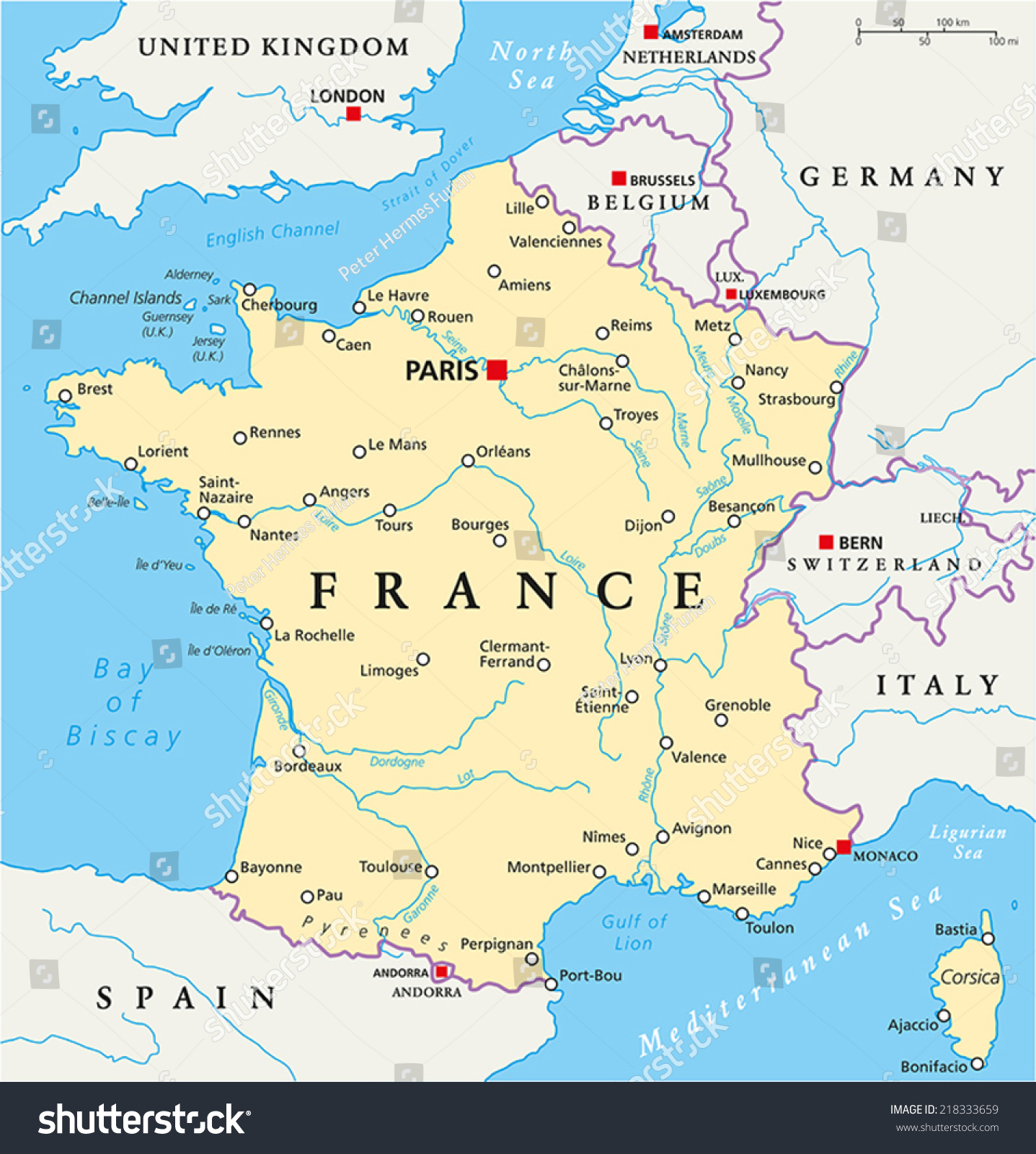
France has shifted the conversation on European security by weighing the potential deployment of military personnel to Ukraine. What began as a diplomatic taboo has turned into an active debate among strategic planners in Paris, London, and Brussels. French officials have outlined frameworks where European forces could assist in training, logistical support, or post-ceasefire security guarantees. This proposal forces a reckoning over how the continent protects its borders when Washington recalibrates its foreign commitments.
The discussion goes beyond a simple troop count. It exposes deep divisions within NATO over escalation risks, the future of deterrence, and the definition of collective defense. To understand why Paris is pushing this envelope, we have to examine the operational realities, the fierce political pushback, and what this means for the global balance of power.
The Evolution of France’s Stance on Ukraine
For months following the initial escalation of the conflict, Western allies maintained a strict boundary: financial aid and hardware supplies were acceptable, but boots on the ground were entirely off the table. That red line began to blur when French leadership argued that preemptive clarity is vital to deterring further aggression from Moscow.
Paris has framed its posture around strategic ambiguity. By refusing to rule out direct deployments, French officials want to complicate Kremlin planning.
- Training and Maintenance: Initial deployment concepts focus heavily on non-combat roles inside Ukraine, such as repairing Western-supplied armor and training recruits locally to reduce logistical turnaround times.
- Post-Ceasefire Guarantees: French planners envision contingents entering Ukrainian territory after a cessation of hostilities to enforce buffers and stabilize critical infrastructure.
- Shifting Red Lines: Policies that were once considered dangerous escalations are re-evaluated as the war enters prolonged phases of attrition.
Strategic Objectives Behind the French Proposal
Why is Paris leading this charge? The motivations are rooted in a long-standing French foreign policy doctrine: European strategic autonomy. French President Emmanuel Macron has repeatedly emphasized that Europe cannot indefinitely outsource its continental security to the United States.
If a peace settlement or a frozen conflict emerges, European powers want a seat at the table that dictates the terms of security. Leaving security architecture entirely to external actors leaves the European Union vulnerable to political shifts in Washington.
Furthermore, France views a robust posture as a laboratory for a post-US-led security apparatus. If British and French forces spearhead a security coalition, it establishes a reliable nucleus for continental defense that functions independently of shifting American political winds.
NATO Friction and Allied Reactions
The proposal hasn't received universal applause. In fact, it triggered immediate panic and swift rebukes from several key NATO members upon its introduction.
Germany, acutely aware of its geographic proximity and energy vulnerabilities, distanced itself quickly from the concept of sending soldiers. Berlin fears that any direct military footprint could be misconstrued by Moscow as a direct NATO intervention, pulling the entire alliance into an open war.
Other eastern flank nations appreciate the deterrent signaling but worry about the lack of consensus. Fractured messaging weakens the alliance's collective deterrence. Meanwhile, the Kremlin has warned repeatedly that the presence of European military personnel on Ukrainian soil crosses a definitive threshold, transforming those forces into legitimate targets and escalating the confrontation toward a direct clash between nuclear powers.
Operational Challenges of a Deployment
Moving thousands of troops into a contested or post-ceasefire environment presents monumental logistical and operational hurdles.
Command and control structures remain unformed. NATO as an institution operates under consensus, and because several member states object to direct troop placements, any mission would likely rely on a "coalition of the willing" rather than an official alliance-wide operation.
Logistics also present a severe bottleneck. Securing supply lines, establishing air defense umbrellas for foreign personnel, and managing medical evacuations in a region dominated by electronic warfare and drone surveillance require capabilities that few European armies possess in sufficient quantities. French military leadership estimates that specialized brigades could mobilize rapidly, but sustaining them under a persistent threat environment demands massive resources.
Common Misconceptions About the French Strategy
Discussions surrounding this policy often suffer from sensationalism. Clearing up these misconceptions helps clarify what is actually on the table.
- It is not an immediate offensive invasion force: The proposed deployments are structured around deterrence, training, and stabilization rather than frontline offensive combat against Russian formations.
- It does not replace NATO: Even proponents within the French government view these initiatives as complementary to traditional defense structures, not an immediate replacement for the transatlantic alliance.
- It is not a unified EU policy: Because defense remains a strictly national competency, France's willingness to deploy forces does not bind Germany, Italy, or Spain to do the same.
You can read more about broader geopolitical shifts through The Guardian's international coverage and analysis from the European Council on Foreign Relations.
Frequently Asked Questions
Are French troops currently fighting inside Ukraine?
No. Current discussions center on future deployment scenarios, training missions, and post-ceasefire security guarantees rather than active combat engagement against Russian forces.
How does the United States view the French proposal?
Washington has maintained an official stance of keeping American boots off Ukrainian soil while expressing caution regarding unilateral moves by European allies that could trigger unintended escalations.
What size force is France capable of deploying?
French military leadership has previously indicated that rapid response elements numbering up to several thousand personnel could be readied for specialized foreign missions, though specifics depend entirely on the operational mandate.
Why are other European countries hesitant to join?
Many nations fear crossing explicit Russian warning lines, risking direct military engagement, or fracturing alliance consensus at a time when unity is vital for defense procurement and intelligence sharing.



