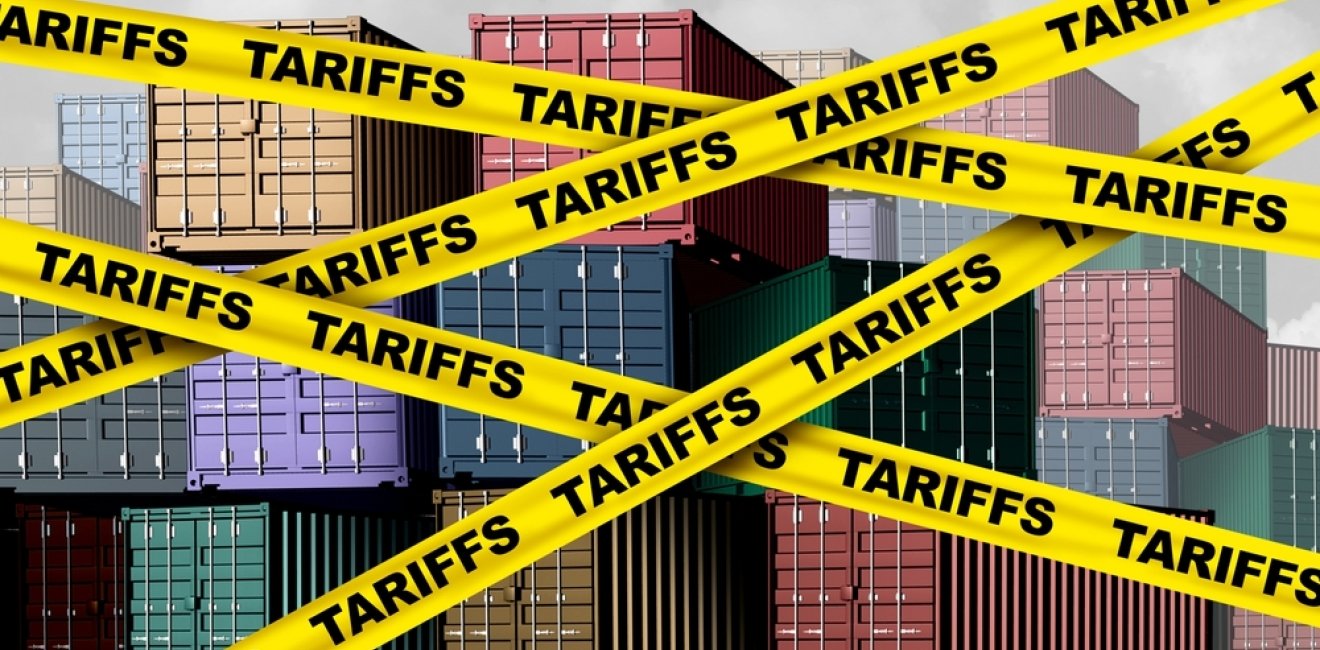
When major trade policy changes hit the headlines, the financial markets react instantly. The relationship between protectionist trade barriers, cable news framing, and equity valuations creates a complex web for investors to navigate. Understanding how media narratives surrounding trade policies impact the stock market requires looking past the daily noise and examining actual economic fundamentals.
Cable news networks shape public perception and political pressure points during trade disputes. When a network like Fox News covers incoming trade levies, it influences investor sentiment, corporate lobbying efforts, and retail trading volumes. Market participants often trade on the immediate emotional reaction to these broadcasts rather than waiting for long-term data, causing sharp intraday volatility.
How Trade Policy Shifts Drive Stock Volatility
Import taxes act as a direct tax on corporate supply chains. When the government announces new levies on foreign goods, affected companies face immediate margin compression unless they pass those costs onto consumers.
Markets hate uncertainty above all else. When network commentators debate the likelihood of retaliatory measures or exemptions, institutional investors reallocate capital rapidly. Sectors heavily reliant on global supply chains—such as technology hardware, automotive manufacturing, and retail—frequently see sharp sell-offs when trade tensions escalate. To read more about the background here, NerdWallet provides an in-depth breakdown.
- Supply Chain Disruption: Companies relying on imported raw materials face immediate cost increases.
- Pricing Power Dynamics: Firms with strong brand loyalty can pass costs to consumers, protecting stock prices.
- Retaliation Risks: Foreign nations often target specific domestic agricultural or industrial exports in response.
For example, when broad levies are threatened against major trading partners like Canada, China, or European nations, manufacturing indices drop as investors price in lower export volumes and higher input costs.
The Role of Media Framing in Market Sentiment
Cable networks do more than report numbers; they provide a narrative framework that rallies specific political factions. Media framing dictates whether a trade dispute is viewed as a bold negotiation tactic or an economic catastrophe. This polarization affects how different investor demographics behave.
Retail investors tuning into financial commentary often react impulsively to bullish or bearish segments. Meanwhile, institutional desks analyze the underlying political pressure. If a network highlights intense pushback from corporate lobbyists or internal political factions, market makers adjust risk parameters downward.
Government officials frequently use media appearances to signal their next policy moves. When administration officials or supportive analysts discuss upcoming trade strategies on morning broadcasts, algorithmic trading bots parse transcripts in real-time, executing trades milliseconds after key phrases are uttered.
Sector Breakdown: Winners and Losers Under Trade Pressure
Not every equity sector reacts the same way to import barriers. Protective policies create distinct winners and losers depending on domestic production capabilities.
Domestic Manufacturers and Heavy Industry
Companies that source materials locally and sell primarily within domestic borders often benefit from import taxes. Steel producers, domestic energy firms, and localized manufacturing operations frequently see stock bumps because foreign competitors face artificial price disadvantages.
Technology and Consumer Discretionary
Firms relying heavily on international assembly lines take the hardest hit. Consumer electronics giants and retail chains that import low-cost inventory struggle to maintain profit margins. When networks debate the expansion of these levies, tech-heavy indices like the Nasdaq experience accelerated capital outflows.
Common Mistakes Investors Make During Trade Disputes
Retail market participants frequently misinterpret how trade policy interacts with equity valuations. Avoiding these errors protects capital during periods of high news-driven volatility.
- Trading on Headlines Alone: Reacting to every breaking news alert or fiery cable segment often leads to buying peaks and selling bottoms.
- Ignoring Corporate Guidance: Individual company earnings reports matter more than macro commentary when determining real tariff exposure.
- Disregarding Currency Movements: Import barriers often strengthen the domestic currency, which introduces complex dynamics for multinational earnings.
Checking primary regulatory filings provides a much clearer picture of actual financial exposure than any television segment. Reviewing corporate balance sheets helps determine whether a firm can absorb cost spikes or if it will fold under margin pressure.
Frequently Asked Questions
How do import levies directly affect stock prices?
Import taxes raise the cost of bringing foreign goods into the country. This reduces corporate profit margins for companies that rely on those imports, leading lower earnings projections and depressed stock valuations.
Why do markets react so quickly to cable news coverage?
Algorithmic trading programs scan transcripts, financial news broadcasts, and social media feeds instantly. When prominent commentators discuss policy shifts, automated systems execute orders before human traders can process the information.
Which sectors benefit most from protective trade barriers?
Domestic industries that do not rely on foreign supply chains—such as local steel producers, domestic energy providers, and localized manufacturing—often see short-term gains due to reduced foreign competition.
Where can I check official trade policy updates?
Official regulatory announcements, legal filings, and tariff schedules are published directly through agencies like the U.S. International Trade Commission and the Federal Register.



